Introduction: The Silent American Epidemic
Heart disease remains the leading cause of death in the United States, claiming approximately 695,000 lives each year. For decades, the public health conversation has rightly focused on the roles of diet, exercise, and smoking. However, a deeper, more insidious trio of risk factors has been operating in the background, often overlooked in routine check-ups and daily health choices: chronic stress, poor sleep, and hypertension.
Hypertension, or high blood pressure, affects nearly half of all American adults. Yet, the forces that drive it are not always as simple as salt intake or genetics. Mounting scientific evidence reveals that two pillars of modern life—unrelenting stress and disrupted sleep—are potent, independent fuel for the hypertension fire, creating a vicious cycle that silently damages our cardiovascular system.
This article will dissect this “Unseen Triad.” We will explore the intricate biological connections between stress, sleep, and blood pressure, moving beyond theory to provide actionable, evidence-based strategies to break the cycle. Understanding this connection is not just an academic exercise; it is a critical step toward reclaiming cardiovascular health for millions of Americans.
Part 1: The Individually Potent Threat – A Deep Dive into Each Factor
Before we examine their dangerous synergy, it’s crucial to understand how each member of this triad operates on its own.
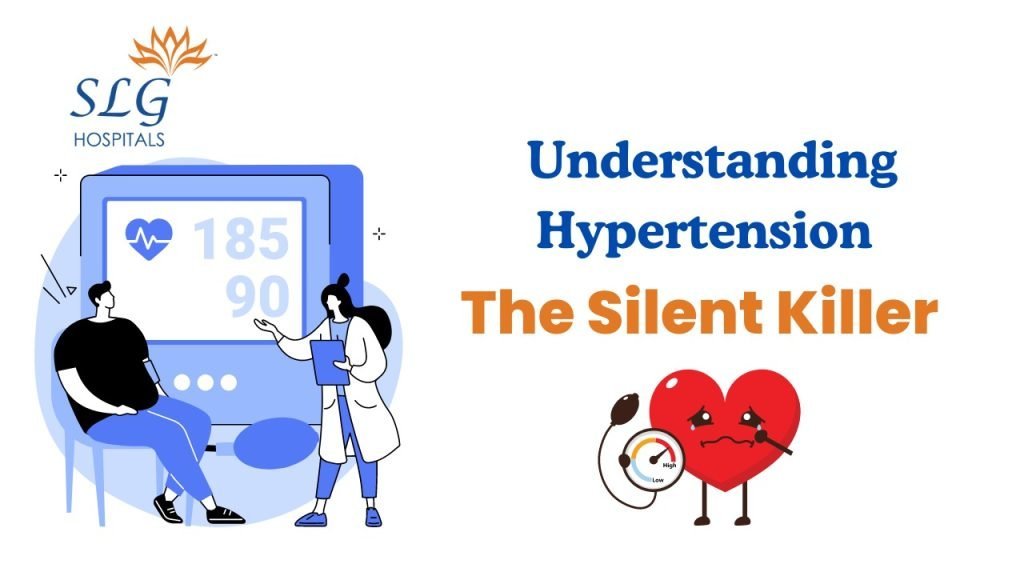
1.1 Hypertension: The Silent Killer
Hypertension is a condition where the force of blood against artery walls is consistently too high.
- The Physiology: With each heartbeat, blood is pumped into the arteries. Blood pressure is at its highest during a heartbeat (systolic pressure) and lowest between beats (diastolic pressure). Hypertension is typically defined as a sustained reading of 130/80 mmHg or higher.
- Why It’s Dangerous: Consistently high pressure damages the delicate lining of your arteries, creating tiny tears. The body repairs these tears with scar tissue and plaques (made of cholesterol, calcium, and other substances), leading to atherosclerosis, or hardening of the arteries. This narrows the arteries, forcing the heart to work even harder, and can lead to:
- Heart Attack
- Stroke
- Heart Failure
- Kidney Disease
- Vision Loss
- The American Context: Despite being largely preventable and treatable, hypertension remains a massive public health burden. Factors like the Standard American Diet (high in sodium and processed foods), sedentary lifestyles, and obesity contribute significantly.
1.2 Chronic Stress: The Relentless Alarm Bell
Stress is the body’s natural response to a perceived threat. In acute, short-term situations, it’s life-saving. However, in our modern world, stress is often psychological and chronic—stemming from work deadlines, financial worries, traffic, and constant digital connectivity.
- The Physiology (The HPA Axis): When stressed, the brain’s hypothalamus triggers the pituitary gland, which signals the adrenal glands to release cortisol, the primary “stress hormone.” Simultaneously, the sympathetic nervous system (the “fight-or-flight” system) is activated, releasing adrenaline. This causes:
- Increased heart rate and force of contraction.
- Constriction of blood vessels.
- Release of glucose into the bloodstream for immediate energy.
- The Chronic Stress Problem: When this system is constantly activated, the repeated spikes in heart rate and blood pressure take a toll. Blood vessels become inflamed and damaged. Furthermore, chronic stress often leads to unhealthy coping behaviors—overeating, poor food choices, alcohol consumption, and smoking—which further exacerbate hypertension and heart disease risk.
1.3 Poor Sleep: The Neglected Pillar of Health
The Centers for Disease Control and Prevention (CDC) has declared insufficient sleep a public health problem, with one-third of US adults reporting they regularly get less than the recommended 7 hours per night.
- The Physiology of Good Sleep: Sleep is not a passive state. It’s an active period of restoration. Key phases include:
- Deep Sleep (Slow-Wave Sleep): Critical for physical repair, immune function, and growth hormone release. During this stage, heart rate and blood pressure dip to their lowest levels—a phenomenon known as “nocturnal dipping.”
- REM Sleep: Essential for memory consolidation, learning, and emotional regulation.
- How Poor Sleep Harms the Cardiovascular System:
- Disrupted Nocturnal Dipping: Insufficient sleep, particularly a lack of deep sleep, blunts this nightly dip in blood pressure. This means the heart and arteries are under constant strain, 24/7.
- Nervous System Dysregulation: Sleep deprivation keeps the sympathetic nervous system (“fight-or-flight”) overly active and suppresses the parasympathetic nervous system (“rest-and-digest”).
- Hormonal Imbalance: Lack of sleep increases cortisol and disrupts hormones that regulate appetite (ghrelin and leptin), often leading to weight gain—another risk factor for hypertension.
Read more: Rise of Probiotics, Prebiotics, and Synbiotics: America’s Gut Health Revolution
Part 2: The Vicious Cycle – How Stress, Sleep, and Hypertension Intertwine
The true danger of this triad lies not in the individual parts, but in their self-reinforcing, synergistic relationships. They form a biological feedback loop that can be incredibly difficult to escape.
The Stress -> Sleep Connection
Have you ever lain in bed after a stressful day, your mind racing, unable to shut off? This is the most direct link in the chain. Chronic stress, with its elevated cortisol levels, directly interferes with the ability to fall and stay asleep. It heightens alertness and makes it difficult for the brain to transition into the relaxed state necessary for sleep onset. Stress is a primary driver of insomnia.
The Sleep -> Hypertension Connection
As outlined above, poor sleep, particularly the loss of deep sleep, prevents the crucial nocturnal dip in blood pressure. A study published in the journal Hypertension found that for every hour of lost deep sleep, participants saw a significant increase in their odds of developing hypertension. Over time, this non-dipping pattern is a powerful predictor of sustained daytime hypertension and cardiovascular events.
The Hypertension -> Stress Connection
While less intuitive, this link is equally important. Being diagnosed with a “silent killer” like hypertension is, in itself, a significant stressor. The anxiety about one’s health, the cost of medication, and the need for lifestyle changes can create a persistent state of worry, further elevating cortisol and blood pressure.
The Complete Cycle: A Case Study
Imagine “David,” a 45-year-old project manager in Chicago.
- He faces constant deadlines and demanding clients (Chronic Stress).
- His mind is active at night, leading to difficulty falling asleep and restless nights (Stress -> Poor Sleep).
- Due to poor sleep, his body doesn’t get its nightly blood pressure reset (Poor Sleep -> Hypertension).
- At his annual physical, he is diagnosed with Stage 1 hypertension. He becomes anxious about his health (Hypertension -> More Stress).
- This new health anxiety further degrades his sleep quality, and the cycle intensifies.
This loop, repeated night after night, year after year, silently inflicts cumulative damage on the cardiovascular system.
Part 3: Breaking the Cycle – An Evidence-Based Action Plan
The good news is that this cycle can be broken. Interventions that target one part of the triad often have positive ripple effects on the others. Here is a multi-faceted approach.
3.1 Taming the Stress Beast
Managing stress is not about eliminating it completely, but about changing your response to it.
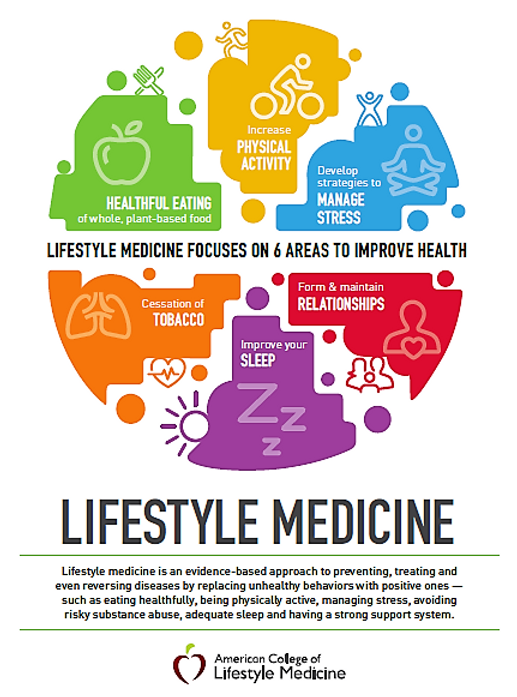
- Mindfulness and Meditation: Practices like Mindfulness-Based Stress Reduction (MBSR) have been clinically proven to lower cortisol levels and blood pressure. Even 10-15 minutes of daily meditation can train the brain to disengage from stressful thought patterns.
- Regular Physical Activity: Exercise is a powerful buffer against stress. It metabolizes excess stress hormones and stimulates the production of endorphins, the body’s natural mood elevators. Aim for at least 150 minutes of moderate-intensity exercise per week (e.g., brisk walking, cycling).
- Cognitive Behavioral Therapy (CBT): CBT is a highly effective, structured form of therapy that helps individuals identify and reframe negative, stress-inducing thought patterns.
- Digital Detoxes: Schedule daily periods where you disconnect from email, social media, and news alerts. Constant information overload is a major source of modern psychological stress.
- Connection and Hobbies: Prioritize time with loved ones and engage in activities that bring you joy and a state of “flow,” where you lose track of time.
3.2 Mastering the Science of Sleep
Prioritizing sleep is non-negotiable for cardiovascular health.
- Consistency is Key: Go to bed and wake up at the same time, even on weekends. This stabilizes your circadian rhythm.
- Craft a Relaxing Bedtime Routine: Signal to your body that it’s time to wind down. This could include:
- Reading a physical book (no screens).
- Taking a warm bath.
- Practicing gentle stretching or yoga.
- Using relaxation techniques like deep breathing.
- Optimize Your Sleep Environment:
- Dark: Use blackout curtains and cover electronic lights.
- Cool: Keep the bedroom temperature between 60-67°F (15-19°C).
- Quiet: Use a white noise machine or earplugs if necessary.
- Avoid Sleep Saboteurs:
- Caffeine: Avoid it after 2 PM.
- Alcohol: While it may help you fall asleep, it severely disrupts sleep architecture, particularly REM and deep sleep.
- Heavy Meals & Large Amounts of Liquids: Avoid these close to bedtime.
3.3 Managing Hypertension Holistically
While medication is necessary for many, lifestyle interventions are the cornerstone of management.
- The DASH Diet: The Dietary Approaches to Stop Hypertension (DASH) diet is specifically designed to combat high blood pressure. It emphasizes fruits, vegetables, whole grains, lean protein, and low-fat dairy while reducing saturated fat, cholesterol, and sodium.
- Sodium Reduction: The American Heart Association recommends no more than 2,300 mg of sodium per day, with an ideal limit of 1,500 mg for most adults. Be vigilant about reading labels, as over 70% of dietary sodium comes from processed and restaurant foods.
- Potassium Intake: Potassium helps balance sodium levels in the body. Increase your intake of potassium-rich foods like bananas, sweet potatoes, spinach, beans, and avocados.
- Regular Monitoring: If you have or are at risk for hypertension, home blood pressure monitoring can provide valuable data for you and your doctor and empower you to see the direct impact of your lifestyle changes.
When to Seek Professional Help
It is essential to consult with a healthcare provider for personalized advice. Seek medical attention if:
- You experience consistently high blood pressure readings (130/80 mmHg or higher).
- You have symptoms like severe headaches, chest pain, difficulty breathing, or vision changes.
- You have been diagnosed with snoring or sleep apnea (characterized by loud snoring, gasping for air during sleep, and excessive daytime sleepiness).
- Your stress or anxiety feels unmanageable and interferes with your daily life.
A healthcare professional can provide an accurate diagnosis, rule out other underlying conditions, and create a tailored treatment plan that may include medication, a referral to a sleep specialist, or a therapist.
Conclusion: A Call to Integrative Health
The fight against heart disease in America requires a more nuanced approach. By acknowledging the powerful, interconnected roles of stress, sleep, and hypertension, we can move beyond a siloed view of health.
Your cardiovascular system is not separate from your mind or your sleep patterns. They are intimately linked in a continuous dialogue. By managing stress, we can sleep better. By sleeping better, we can lower our blood pressure. By lowering our blood pressure, we can reduce our anxiety and improve our overall well-being.
Breaking the cycle of the “Unseen Triad” demands a conscious, daily commitment to self-care. It requires us to view a good night’s sleep not as a luxury, but as a medical necessity, and stress management not as self-indulgence, but as a critical life skill. By taking an integrative approach to our health, we can silence this silent epidemic and build a foundation for a longer, healthier life.
Frequently Asked Questions (FAQ)
Q1: I feel stressed, but my blood pressure is normal at the doctor’s office. Does that mean I’m in the clear?
Not necessarily. This could be a case of “white coat syndrome,” where blood pressure is elevated in a clinical setting. Conversely, some people with chronic stress may have normal readings at the doctor but experience spikes throughout the day. This is known as “masked hypertension.” A 24-hour ambulatory blood pressure monitor or regular home monitoring can provide a more accurate picture.
Q2: I’ve been prescribed blood pressure medication. Does that mean I don’t have to worry about stress and sleep?
No. Medication is a vital tool, but it should be seen as part of a comprehensive strategy. Addressing stress and sleep improves your overall cardiovascular health, can reduce the dosage of medication you need, and tackles the root causes of the problem, offering protection beyond what medication alone can provide.
Q3: I know I snore. Could this really be affecting my blood pressure?
Yes, significantly. Loud, persistent snoring is a primary symptom of Obstructive Sleep Apnea (OSA), a serious sleep disorder where breathing repeatedly stops and starts. Each apnea event causes a sudden drop in blood oxygen, jolting you awake and spiking your blood pressure. OSA is one of the most potent and treatable causes of resistant hypertension. If you snore loudly and feel tired despite a full night’s sleep, consult a sleep specialist.
Q4: Are there specific relaxation techniques that are best for lowering blood pressure?
Deep, diaphragmatic breathing (“belly breathing”) is one of the fastest ways to engage the parasympathetic nervous system and lower blood pressure in the moment. Techniques like box breathing (inhale for 4 counts, hold for 4, exhale for 4, hold for 4) or guided progressive muscle relaxation can be very effective. Consistency is more important than the specific technique.
Q5: How long will it take to see improvements in my blood pressure from better sleep and stress management?
The effects can be surprisingly fast. Some studies show that improvements in sleep quality can lead to lower blood pressure readings within a few weeks. The benefits of consistent stress management also accumulate quickly. However, view this as a long-term lifestyle investment. Sustained changes lead to sustained benefits and a significantly reduced long-term risk of heart attack and stroke.
Disclaimer: This article is for informational purposes only and does not constitute medical advice. It is based on current scientific literature and guidelines from reputable sources such as the American Heart Association, the Centers for Disease Control and Prevention, and the National Institutes of Health. Always consult with a qualified healthcare professional for personal medical advice and before making any changes to your treatment plan.
Read more: Herbal and Natural Remedies for Gut Health