Imagine a bustling metropolis, teeming with trillions of inhabitants. They work tirelessly, day and night, to keep the city functioning—processing waste, manufacturing essential goods, defending against invaders, and even influencing the city’s leadership. This isn’t a scene from a science fiction novel; it’s the reality of your gut microbiome.
Your gastrointestinal tract is home to a complex ecosystem of bacteria, viruses, fungi, and other microorganisms, collectively known as the gut microbiota. The balance of this ecosystem is one of the most critical determinants of your overall health. When it’s in harmony, you digest food efficiently, produce vital nutrients, and support a robust immune system. When it’s out of balance—a state known as dysbiosis—it can be linked to a surprising range of issues, from bloating and fatigue to mood disorders, autoimmune conditions, and metabolic diseases.
This is where two powerful tools come into play: probiotics and prebiotics. While the terms sound similar and are often used interchangeably, they play distinctly different, yet complementary, roles in nurturing your inner ecosystem. Understanding this difference is the first step toward taking control of your gut health.
In this beginner’s guide, we will demystify probiotics and prebiotics, explore their unique functions, and provide a practical, evidence-based roadmap for incorporating them into your life to optimize your well-being from the inside out.
Part 1: Understanding the Basics – The Gut Microbiome 101
Before we dive into probiotics and prebiotics, it’s essential to understand the world they inhabit.
What is the Gut Microbiome?
The gut microbiome refers to the entire collection of microorganisms and their genetic material residing in your intestinal tract. Most of these microbes are located in your large intestine (colon). We have a symbiotic relationship with them: we provide them with a habitat and food, and in return, they perform functions we cannot perform ourselves.
Key Functions of a Healthy Gut Microbiome:
- Digestion and Nutrient Absorption: Gut bacteria produce enzymes that help break down complex carbohydrates and fibers that our own bodies cannot digest. This process, called fermentation, produces short-chain fatty acids (SCFAs) like butyrate, acetate, and propionate, which are crucial for colon health and have systemic benefits.
- Immune System Regulation: Approximately 70-80% of your immune cells reside in your gut. The microbiome “trains” these cells, teaching them to distinguish between friendly bacteria and harmful pathogens. A diverse microbiome is linked to a more balanced and effective immune response.
- Synthesis of Vitamins: Certain gut bacteria are responsible for producing essential vitamins, including Vitamin K (critical for blood clotting) and several B vitamins (like B12, thiamine, and folate).
- Protection Against Pathogens: A healthy, dense microbiome acts as a physical barrier against harmful bacteria. The “good” microbes compete for space and resources, making it difficult for “bad” ones to take hold and cause infection.
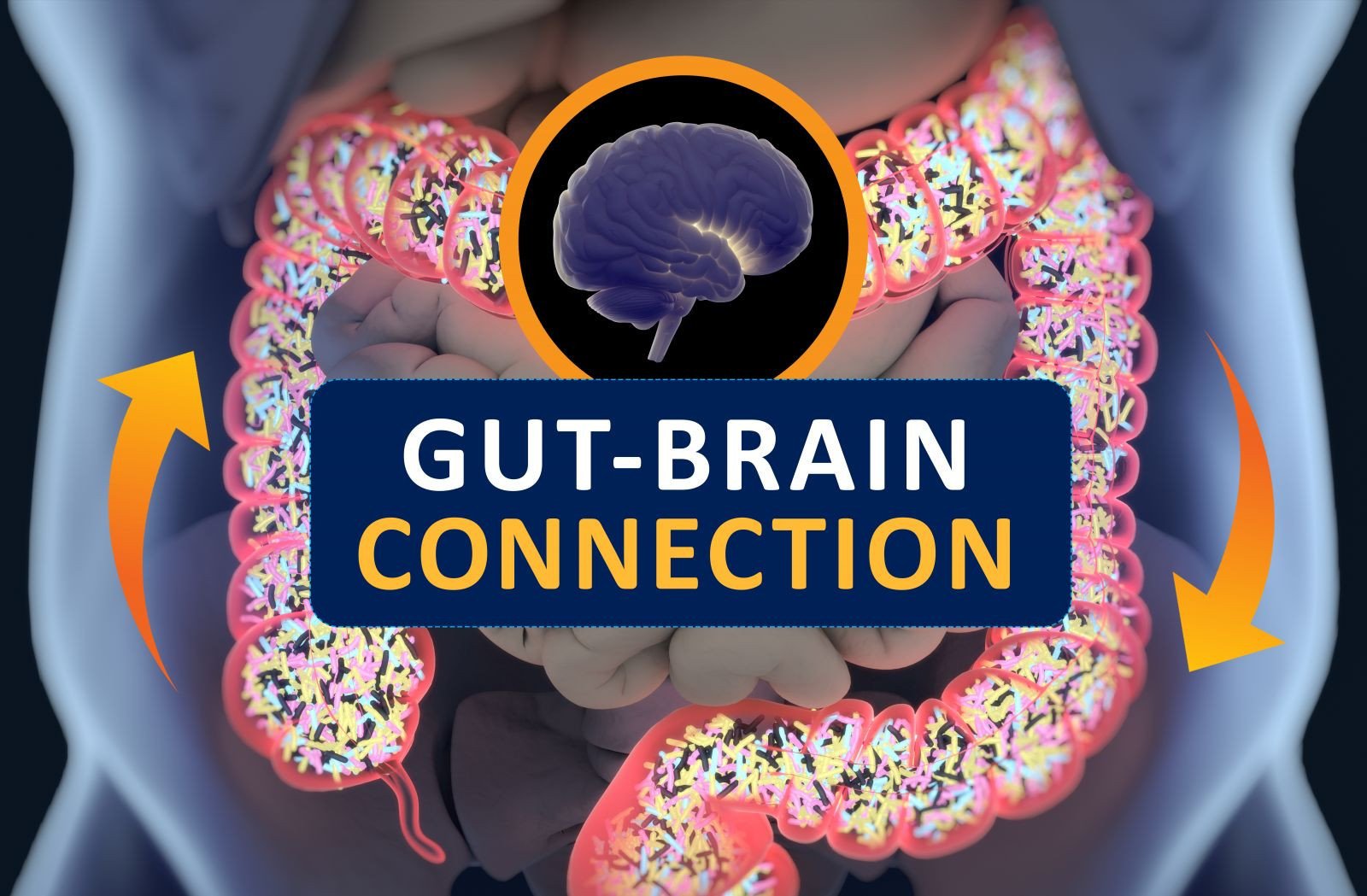
- Gut-Brain Axis Communication: The gut is often called the “second brain” due to the vast network of neurons lining the digestive tract. This network communicates directly with the brain via the vagus nerve. Gut microbes produce a significant portion of the body’s neurotransmitters, including about 95% of its serotonin (a key regulator of mood, sleep, and appetite) and gamma-aminobutyric acid (GABA), which helps control fear and anxiety.
When this delicate ecosystem is thrown off balance by a poor diet, stress, antibiotics, or lack of sleep, dysbiosis occurs. This is where our two main characters enter the story to help restore order.
Part 2: Probiotics – The Beneficial Reinforcements
What Are Probiotics?
The World Health Organization defines probiotics as “live microorganisms which, when administered in adequate amounts, confer a health benefit on the host.”
In simple terms, probiotics are the “good” or “friendly” bacteria (and some yeasts) that you can consume to directly add to the population of beneficial microbes in your gut. Think of them as reinforcements sent to support the existing army of good bacteria in your intestinal metropolis.
Common Strains and Their Functions:
Not all probiotics are the same. They are categorized by genus, species, and strain, and different strains have different effects. The two most common genera are Lactobacillus and Bifidobacterium.
- Lactobacillus: This is perhaps the most well-known group. Found in yogurt and other fermented foods, many Lactobacillus species help with the digestion of lactose (milk sugar) and produce lactase. They are predominantly found in the small intestine.
- L. acidophilus: Supports nutrient absorption and may help with occasional diarrhea.
- L. rhamnosus GG: One of the most researched strains, known for its resilience and benefits for traveler’s diarrhea and antibiotic-associated diarrhea.
- L. casei: Supports a diverse microbiome and general digestive harmony.
- Bifidobacterium: This genus is primarily located in the large intestine (colon). They are key players in breaking down complex carbohydrates and producing those valuable short-chain fatty acids.
- B. lactis: Supports immune function and helps with digestive regularity.
- B. longum: Helps metabolize a wide range of carbohydrates and may support a healthy mood.
- B. bifidum: Aids in the breakdown of complex molecules and supports the gut lining.
- Saccharomyces boulardii: This is a beneficial yeast, not a bacterium. It is particularly well-studied for its effectiveness in preventing and treating diarrhea associated with antibiotics and C. difficile infection.
How Do Probiotics Work? The Mechanisms of Action:
Probiotics don’t permanently colonize your gut in most cases; they are more like transient visitors. However, during their journey, they perform several critical tasks:
- Competitive Exclusion: They compete with pathogenic bacteria for space and nutrients on the gut lining, effectively crowding out the “bad guys.”
- Production of Antimicrobial Substances: They produce substances like bacteriocins and organic acids that create an environment hostile to harmful pathogens.
- Strengthening the Gut Barrier: They help stimulate the production of mucus and support the tight junctions between the cells of the intestinal wall, reducing “leaky gut” (intestinal permeability).
- Modulating the Immune System: They communicate with immune cells in the gut, promoting a balanced inflammatory response.
Health Benefits of Probiotics (Evidence-Based):
A vast body of research supports the use of probiotics for specific conditions:
- Digestive Health: The strongest evidence is for managing antibiotic-associated diarrhea and infectious diarrhea. Probiotics are also widely used to alleviate symptoms of Irritable Bowel Syndrome (IBS), such as bloating, gas, and irregular bowel movements.
- Immune Support: Regular consumption of certain probiotic strains has been shown to reduce the incidence and duration of common respiratory infections, like the cold.
- Mental Health (The Gut-Brain Axis): Emerging research suggests that specific probiotic formulations, often called “psychobiotics,” can help reduce symptoms of anxiety, depression, and improve overall stress resilience.
- Vaginal and Urinary Health: Strains like L. rhamnosus and L. reuteri can help maintain a healthy balance of microflora in the urogenital tract, preventing recurrent infections.
- Skin Health: Some studies indicate that probiotics can help with conditions like eczema and acne by modulating systemic inflammation.
Part 3: Prebiotics – The Nourishing Fuel
What Are Prebiotics?
If probiotics are the seeds you plant in a garden, prebiotics are the fertilizer that helps them grow.
Prebiotics are a specific type of non-digestible fiber that act as food for the beneficial bacteria already residing in your gut. They are not living organisms. When you consume prebiotics, you aren’t adding new bacteria; you are selectively nourishing the good bacteria you already have, helping them to thrive and multiply.
The International Scientific Association for Probiotics and Prebiotics (ISAPP) defines a prebiotic as “a substrate that is selectively utilized by host microorganisms conferring a health benefit.” The key word is “selectively”—prebiotics are designed to feed the good guys, not the harmful ones.
Common Types of Prebiotics:
The most well-researched prebiotics belong to a category of fibers called “fructans” and “galacto-oligosaccharides (GOS).”
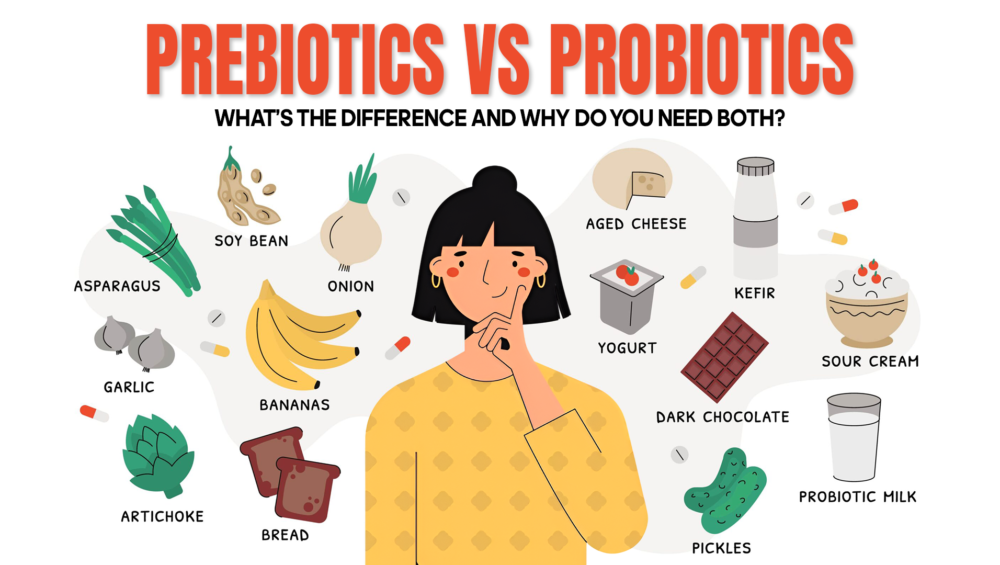
- Inulin: Found in foods like chicory root, Jerusalem artichokes, garlic, and onions. It’s a long-chain fructan that ferments slowly in the large intestine.
- Fructooligosaccharides (FOS) / Oligofructose: Shorter-chain fructans found in many of the same foods as inulin, like bananas, garlic, and asparagus. They ferment more quickly.
- Galactooligosaccharides (GOS): Found naturally in human breast milk and also in legumes like lentils and chickpeas. They are particularly effective at stimulating the growth of Bifidobacteria.
- Resistant Starch: This type of starch resists digestion in the small intestine and travels to the large intestine, where it acts as a powerful prebiotic. It’s found in cooked and cooled potatoes, green bananas, and legumes.
How Do Prebiotics Work?
When prebiotic fibers reach the colon undigested, they are fermented by the gut microbiota. This fermentation process has two primary beneficial outcomes:
- Increased Population of Beneficial Bacteria: By providing a preferred food source, prebiotics directly stimulate the growth and activity of desirable bacteria like Bifidobacteria and Lactobacilli.
- Production of Short-Chain Fatty Acids (SCFAs): The fermentation of prebiotics produces SCFAs, most notably butyrate, acetate, and propionate. These compounds are powerhouse molecules for health:
- Butyrate: Serves as the primary fuel source for the cells lining the colon, helping to maintain a strong and healthy gut barrier. It also has anti-inflammatory properties.
- Acetate and Propionate: Travel through the bloodstream to the liver and other organs, where they help regulate metabolism, appetite, and immune function.
Health Benefits of Prebiotics (Evidence-Based):
- Improved Digestive Regularity: By increasing microbial mass and SCFA production, prebiotics can help add bulk to stool and promote more regular bowel movements.
- Enhanced Mineral Absorption: Prebiotics can improve the absorption of essential minerals like calcium and magnesium in the colon, which is crucial for bone health.
- Metabolic Health: Diets high in prebiotic fiber are associated with better blood sugar control, improved insulin sensitivity, and a healthier lipid profile.
- Appetite Regulation and Weight Management: SCFAs, particularly propionate, can stimulate the release of hormones that promote feelings of fullness (satiety), potentially helping to reduce overall calorie intake.
- Strengthened Gut Barrier: By fueling the production of butyrate, prebiotics directly contribute to the integrity of the intestinal lining, reducing systemic inflammation.
Part 4: Probiotics vs. Prebiotics – The Crucial Difference Summarized
| Feature | Probiotics | Prebiotics |
|---|---|---|
| What are they? | Live microorganisms (bacteria, yeast) | Non-digestible fibers (food for bacteria) |
| Primary Function | To add beneficial bacteria directly to the gut. | To nourish and stimulate the growth of existing beneficial bacteria. |
| Analogy | Seeds (adding new plants to the garden) | Fertilizer (feeding the plants already in the garden) |
| Source Examples | Yogurt, kefir, sauerkraut, kimchi, supplements | Chicory root, garlic, onions, asparagus, oats, bananas |
| Heat Stability | Often destroyed by heat (cooking, pasteurization) | Generally heat-stable (can be cooked) |
| Survival in Gut | Must survive stomach acid to reach the gut alive. | Not affected by stomach acid or digestion. |
Synbiotics: This term refers to products or combinations that include both probiotics and prebiotics, designed to have a synergistic effect. The idea is to deliver the beneficial bacteria along with the specific food they need to thrive. An example would as simple as a banana (prebiotic) with your yogurt (probiotic).
Read more: IBS, IBD, and Other Digestive Disorders in the U.S. Population
Part 5: A Practical Guide to Incorporating Probiotics and Prebiotics into Your Diet
Optimizing your gut health doesn’t require expensive supplements or a complete diet overhaul. The most sustainable approach is to incorporate a wide variety of probiotic and prebiotic-rich foods into your daily meals.
Probiotic-Rich Foods to Eat:
- Yogurt: Look for “live and active cultures” on the label. Choose plain, unsweetened varieties to avoid added sugars that can feed bad bacteria.
- Kefir: A fermented milk drink that is like a drinkable yogurt. It typically contains a more diverse range of bacterial and yeast strains than yogurt.
- Sauerkraut: Fermented cabbage. Ensure it’s refrigerated and labeled as “raw,” “unpasteurized,” or “fermented,” as the shelf-stable versions have been heat-treated, killing the probiotics.
- Kimchi: A spicy Korean staple made from fermented napa cabbage and radishes, seasoned with chili pepper, garlic, and ginger.
- Kombucha: A fermented, lightly effervescent tea drink. Be mindful of sugar content; brew your own or choose brands with low sugar.
- Miso: A Japanese paste made from fermented soybeans (and sometimes other grains), used in soups and sauces.
- Tempeh: A fermented soybean product with a firm, nutty texture, excellent as a meat substitute.
- Certain Cheeses: Gouda, cheddar, mozzarella, and cottage cheese can contain live cultures, but the counts are often lower than in other fermented foods.
Prebiotic-Rich Foods to Eat:
- Garlic & Onions: Rich in inulin and FOS. Use them liberally in cooking.
- Leeks & Asparagus: Excellent sources of inulin.
- Chicory Root & Dandelion Greens: Among the highest natural sources of inulin. Chicory root is often used as a coffee substitute.
- Jerusalem Artichokes (Sunchokes): Packed with inulin.
- Bananas: Slightly green bananas are particularly high in resistant starch.
- Whole Grains: Oats and barley are great sources of beta-glucan, a prebiotic fiber.
- Legumes: Lentils, chickpeas, and beans contain GOS and resistant starch.
- Flaxseeds & Chia Seeds: Provide a mix of soluble and insoluble fibers that act as prebiotics.
A Sample “Gut-Healthy” Day of Eating:
- Breakfast: Overnight oats made with plain kefir, topped with a sliced banana and a tablespoon of flaxseeds. (Probiotics: kefir. Prebiotics: oats, banana, flaxseeds).
- Lunch: A large salad with mixed greens, chickpeas, and a miso-ginger dressing. (Prebiotics: chickpeas, various vegetables).
- Snack: A small serving of plain yogurt with a handful of berries.
- Dinner: Grilled tempeh with a side of roasted asparagus and a small baked potato that has been cooked and cooled for resistant starch. (Probiotics: tempeh. Prebiotics: asparagus, cooled potato).
- Cooking: Use generous amounts of garlic and onions in your sauces, soups, and stir-fries.
Part 6: Navigating Probiotic Supplements
While food should always be the foundation, supplements can be a useful tool in specific situations.
When to Consider a Probiotic Supplement:
- During and after a course of antibiotics.
- For managing specific conditions like IBS, under a doctor’s guidance.
- When traveling to a new region to help prevent traveler’s diarrhea.
- If you cannot or do not consume fermented foods.
How to Choose a High-Quality Probiotic Supplement:
- Look for Genus, Species, and Strain: A quality supplement will list this information (e.g., Lactobacillus rhamnosus GG). Different strains have different effects, so match the strain to your goal.
- Check the Colony Forming Units (CFUs): This indicates the number of live microorganisms. More isn’t always better. A range of 10-50 billion CFUs is typically sufficient for general health.
- Look for Third-Party Testing: Choose brands that are verified by independent organizations (like USP, NSF, or ConsumerLab) to ensure the product contains what it claims and is free from contaminants.
- Check the Expiration Date: Probiotics are live organisms and can die over time. Ensure the product is well within its shelf life.
- Consider Delivery System: Some capsules are enteric-coated or designed to survive the harsh acidic environment of the stomach, ensuring more live bacteria reach the intestines.
Important Note: The effects of probiotic supplements are transient. You need to take them consistently to maintain their presence in your gut.
Part 7: Potential Side Effects and Precautions
Starting Slowly: The “Herxheimer” Reaction
When you significantly increase your intake of probiotics and prebiotics, you may experience temporary side effects like gas, bloating, and abdominal discomfort. This is often a sign that your gut microbiome is changing—the good bacteria are fermenting the new fibers and outcompeting the less desirable ones, which can release gases and cause temporary distress. This is sometimes called a “die-off” or Herxheimer-like reaction.
How to manage it: Start with small servings of fermented foods and prebiotic fibers, and gradually increase your intake over several weeks to allow your system to adapt.
Who Should Be Cautious?
- Critically Ill or Immunocompromised Individuals: People with severely weakened immune systems (e.g., from HIV/AIDS, cancer treatment, or organ transplants) should consult their doctor before taking probiotic supplements, as there is a small risk of infection.
- Those with Specific Medical Conditions: Individuals with Small Intestinal Bacterial Overgrowth (SIBO) may not tolerate prebiotics or probiotics well, as they can exacerbate symptoms. A healthcare professional’s guidance is essential.
Read more: Herbal and Natural Remedies for Gut Health
Conclusion: Cultivating a Lifelong Healthy Gut
Optimizing your gut health is not a quick fix but a lifelong journey of nurturing the complex ecosystem within you. The powerful partnership between probiotics (the beneficial bacteria) and prebiotics (their nourishing food) forms the cornerstone of this endeavor.
By understanding their distinct roles and making a conscious effort to include a diverse array of fermented foods and fibrous plants in your diet, you are not just feeding yourself—you are feeding the trillions of microbial partners that play an indispensable role in your digestion, immunity, mood, and long-term health.
Start small, be consistent, and listen to your body. Your gut, and the vast metropolis of life it contains, will thank you for years to come.
Frequently Asked Questions (FAQ) Section
Q1: Can I get enough probiotics from food, or do I need a supplement?
For most healthy individuals aiming for general wellness, a diet rich in diverse fermented foods is sufficient to maintain a healthy gut microbiome. Supplements are best reserved for specific therapeutic purposes, like during antibiotic use or for managing a diagnosed condition like IBS, under the guidance of a healthcare provider.
Q2: Are there any risks to taking probiotics?
For the vast majority of people, probiotics from food and supplements are very safe. The most common side effects are mild and temporary digestive discomfort. As noted, immunocompromised individuals or those with serious underlying illnesses should consult a doctor before starting a supplement.
Q3: Should I take probiotics with food?
It depends on the specific supplement, so it’s best to follow the manufacturer’s instructions. Some strains may have better survival rates when taken with a meal (which can buffer stomach acid), while others are formulated to be taken on an empty stomach. A general rule of thumb is to take them with or just before a meal.
Q4: I have a dairy intolerance. How can I get probiotics?
Many excellent dairy-free probiotic sources exist, including sauerkraut, kimchi, kombucha, miso, tempeh, and coconut-based or water-based kefir. Always check labels to ensure no dairy ingredients are present.
Q5: Do prebiotics cause weight gain?
No, prebiotics themselves are fibers and are very low in calories. In fact, by promoting satiety and improving metabolic health, a diet high in prebiotic fibers is generally associated with healthier body weight management and may aid in weight loss efforts.
Q6: Can children take probiotics?
Yes, probiotics are generally considered safe for healthy children and are often found in some yogurts and formulas. They can be particularly helpful for children taking antibiotics. However, it’s always wise to consult with a pediatrician before giving a child any supplement.
Q7: How long does it take to see benefits from probiotics and prebiotics?
This varies greatly depending on the individual, their baseline gut health, and the reason for use. Some people notice improvements in digestion within a few days to a week. For other benefits, like immune or mood support, it may take several weeks or months of consistent use.
Q8: What is the difference between prebiotics and dietary fiber?
All prebiotics are a type of dietary fiber, but not all dietary fibers are prebiotics. The key distinction is that prebiotics are selectively utilized by beneficial bacteria to confer a health benefit. Many fibers are non-selective and provide bulk to stool but do not specifically feed good bacteria to the same degree.
Q9: Are pasteurized fermented foods still probiotic?
No. The pasteurization process involves heat that kills all bacteria, including the beneficial probiotics. To get the probiotic benefits, you must choose fermented foods that are “raw,” “unpasteurized,” or “live-cultured” and are typically found in the refrigerated section.
Q10: Can I take probiotics and prebiotics at the same time?
Absolutely! In fact, this is the ideal approach. Taking them together is the concept of a “synbiotic.” Consuming a prebiotic with your probiotic helps fuel the newly arrived bacteria, potentially increasing their chances of survival and colonization in the gut. A simple example is having a banana (prebiotic) with your yogurt (probiotic).