For millions of people, mealtime is a minefield. It’s a source of anxiety, pain, and embarrassment. Bloating, gas, abdominal cramps, constipation, and diarrhea have become an unwelcome part of their daily reality. In a desperate search for answers, many have turned to the gluten-free diet, often with mixed results. While some find relief, a significant portion are left wondering, “If it’s not gluten, then what is it?”
If this sounds familiar, you may have stumbled upon the term “Low-FODMAP diet.” Touted by leading gastroenterologists and dietitians worldwide, this science-backed dietary approach has become the gold standard for managing a specific set of digestive disorders. But what exactly are FODMAPs? Is this restrictive diet the right solution for your unique symptoms? And, crucially, how can you navigate it safely and effectively?
This article will serve as your definitive guide. We will move beyond the buzzwords and delve into the evidence-based science, practical application, and crucial considerations of the Low-FODMAP diet, empowering you to have an informed conversation with your healthcare provider.
Understanding the Root of the Problem: What Are FODMAPs?
Before we can solve the puzzle, we need to understand the pieces. The acronym FODMAP was coined by researchers at Monash University in Australia, the global leaders in this field. It stands for:
Fermentable Oligosaccharides, Disaccharides, Monosaccharides, And Polyols.
In simpler terms, FODMAPs are a collection of short-chain carbohydrates and sugar alcohols that are poorly absorbed in the small intestine. Let’s break down what this means for your digestive system:
- Poor Absorption: Unlike other nutrients, FODMAPs are “osmotically active,” meaning they draw water into your small intestine as they pass through. This can lead to diarrhea in some individuals.
- Rapid Fermentation: Once these poorly absorbed molecules reach your large intestine, they become a feast for the trillions of bacteria that reside there. The bacteria rapidly ferment the FODMAPs, producing gas (hydrogen, methane, and carbon dioxide) as a byproduct. This gas causes bloating, distension, cramping, and flatulence.
For people with a healthy, resilient gut, this process causes little to no issue. However, for individuals with a sensitive gut or a underlying digestive disorder, this double whammy of excess water and gas is the primary trigger for their distressing symptoms.
Common High-FODMAP Foods Include:
- Oligosaccharides (Fructans and GOS): Wheat, rye, onions, garlic, leeks, legumes (beans, lentils), chickpeas, and certain nuts.
- Disaccharides (Lactose): Milk, soft cheese, yogurt, and other dairy products.
- Monosaccharides (Fructose in excess of glucose): Honey, agave nectar, high-fructose corn syrup, and fruits like apples, mangoes, and watermelon.
- Polyols (Sugar Alcohols): Sorbitol, mannitol, xylitol (often found in sugar-free gum and mints), and found naturally in stone fruits like peaches, plums, and avocados.
The Gluten-Free Conundrum: Why It’s Often Not the Answer
The rise of the gluten-free movement has been a double-edged sword. For those with Celiac Disease, a serious autoimmune disorder, it is a medical necessity. However, for many others, the perceived benefits of going gluten-free may actually be a case of mistaken identity.
Wheat, rye, and barley—the primary sources of gluten—are also major sources of a type of FODMAP called fructans. When someone without Celiac Disease eliminates gluten-containing foods and feels better, it’s highly likely that the real culprit was the fructans, not the gluten protein itself. They were inadvertently following a low-FODMAP approach for wheat, without realizing it.
This is a critical distinction. A “gluten-free” label does not mean “FODMAP-free.” Many gluten-free products are made with ingredients like soy flour, bean flour, or high-FODMAP starches, which can cause even more symptoms than the original wheat-based product. Understanding this difference can save you from unnecessary dietary restrictions and expense.
Is the Low-FODMAP Diet for You? The Target Conditions
The Low-FODMAP diet is not a lifestyle diet for the general public. It is a specialized, therapeutic dietary intervention designed for specific medical conditions. Its efficacy is supported by a substantial body of clinical research.
The primary candidate for this diet is an individual diagnosed with Irritable Bowel Syndrome (IBS). IBS is a functional gut disorder characterized by recurrent abdominal pain associated with changes in bowel habits (constipation, diarrhea, or a mix of both). Research shows that approximately 70-80% of people with IBS experience significant symptom improvement on a Low-FODMAP diet.
It can also be beneficial for some individuals with:
- Small Intestinal Bacterial Overgrowth (SIBO): Where the fermentation process happens in the wrong place (the small intestine), making FODMAPs particularly problematic.
- Inflammatory Bowel Disease (IBD) in remission: For those with Crohn’s Disease or Ulcerative Colitis who are in remission but still experience IBS-like symptoms.
Important Contraindications:
This diet is generally NOT recommended for individuals with or a history of eating disorders, due to its restrictive nature. It is also not intended for the general population seeking “gut health,” as FODMAPs are prebiotics that feed beneficial gut bacteria, and unnecessary restriction can do more harm than good.
The Three-Phase Low-FODMAP Diet: A Strategic Roadmap to Relief
This is the most common and critical mistake people make: they go “low-FODMAP” indefinitely. This is not only unsustainable but can also negatively impact your gut microbiome. The proper Low-FODMAP diet is a structured, temporary process consisting of three distinct phases, designed to be a diagnostic tool as much as a treatment.
Phase 1: The Elimination Phase
- Goal: To drastically reduce all high-FODMAP foods from your diet, giving your digestive system a “reset” and establishing a baseline of symptom control.
- Duration: This is a short-term phase, typically lasting only 2 to 6 weeks. The goal is not to eliminate symptoms completely but to achieve a significant improvement (usually a 50% reduction or more is considered successful).
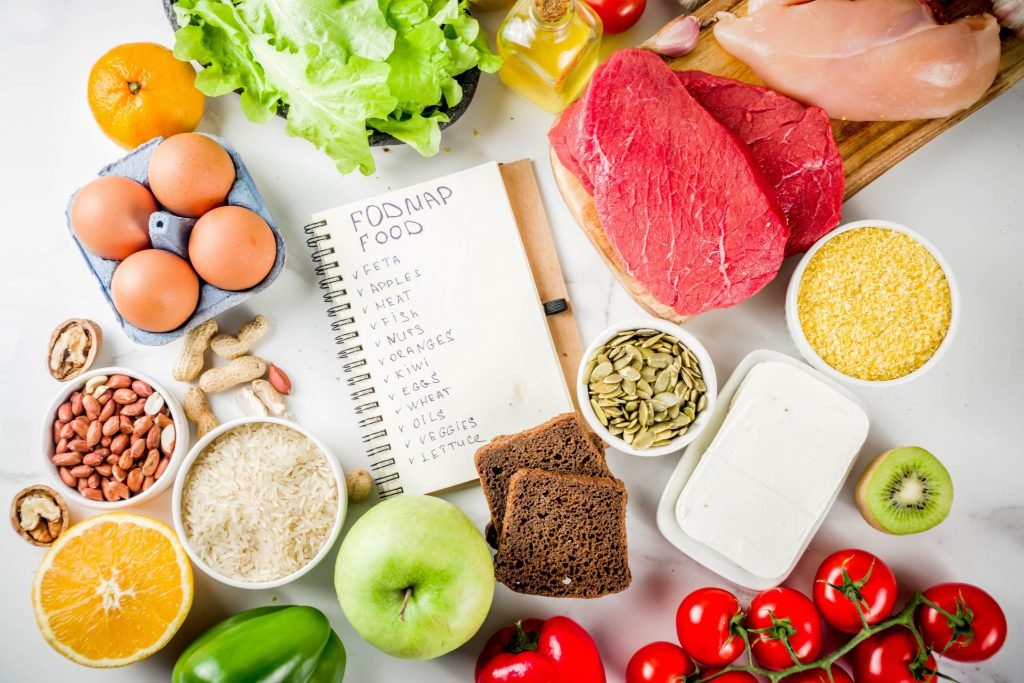
- What to Eat: You will focus on “Low-FODMAP” foods. This does not mean you’ll be eating only chicken and rice. A rich variety of foods are allowed:
- Proteins: Meat, poultry, fish, eggs, firm tofu.
- Fats: Oils, butter, most nuts and seeds (in low-FODMAP portions).
- Grains: Rice, oats, quinoa, gluten-free products made with low-FODMAP ingredients (e.g., rice flour, corn flour).
- Fruits: Berries, oranges, grapes, kiwi, pineapple (in limited portions).
- Vegetables: Carrots, cucumbers, bell peppers, spinach, zucchini, potatoes.
- Dairy: Lactose-free milk and yogurt, hard cheeses.
Crucial Note: Portion size is everything. Many foods have a “low-FODMAP” serving size but become “high-FODMAP” in larger quantities. Using the official Monash University FODMAP Diet App is non-negotiable for this phase. It is the most accurate, up-to-date resource, directly from the research team that discovered FODMAPs.
Phase 2: The Reintroduction (or Challenge) Phase
This is the most important, and most often skipped, phase of the diet. The goal here is not to stay on a restricted diet forever, but to identify your personal triggers.
- How it Works: While maintaining a low-FODMAP baseline, you will systematically reintroduce high-FODMAP foods, one group at a time, in a controlled manner.
- The Process: You will test specific FODMAP groups in a specific order, typically:
- Fructose (e.g., honey)
- Lactose (e.g., milk)
- Sorbitol (e.g., peach)
- Mannitol (e.g., cauliflower)
- Fructans (GOS) (e.g., onion or garlic)
- Fructans (Wheat) (e.g., bread)
- For each challenge, you start with a small “dose” and gradually increase it over three days, meticulously tracking your symptoms. You then return to the baseline diet for a “washout” period before testing the next group.
- The Outcome: This phase is incredibly empowering. You will discover that you may not be sensitive to all FODMAPs. Perhaps you react strongly to fructans (onions and garlic) but can tolerate fructose and lactose perfectly well. This allows you to liberalize your diet significantly.
Phase 3: The Personalization (or Integration) Phase
Also known as the “Modified Low-FODMAP Diet for the long term.”
- Goal: To create a sustainable, varied, and enjoyable diet that minimizes your symptoms based on the knowledge you gained in Phase 2.
- What it Looks Like: You will freely eat the FODMAP groups you tolerated well. For your trigger foods, you will learn your individual “threshold” – the amount you can eat without triggering symptoms. You might find you can tolerate a small clove of garlic cooked in a meal, but a raw onion salad will cause problems. This phase is unique to you.
The Critical Role of a Registered Dietitian: Why You Shouldn’t Go It Alone
Given the complexity of the diet, the importance of portion sizes, and the psychological challenge of restriction, undertaking the Low-FODMAP diet without professional guidance is strongly discouraged.
A Registered Dietitian (RD) or Registered Dietitian Nutritionist (RDN), especially one specializing in gastrointestinal health, is an indispensable partner in this process. Their expertise provides:
- Accurate Diagnosis: They will ensure your symptoms are properly evaluated by a doctor to rule out other conditions like Celiac Disease or IBD before starting the diet.
- Personalized Meal Planning: They can create a nutritionally adequate elimination phase plan, ensuring you get enough fiber, vitamins, and minerals.
- Guidance on Reintroduction: They will help you design a logical reintroduction schedule, interpret your symptom data, and navigate confusing results.
- Support and Accountability: They provide motivation and strategies to handle social situations, dining out, and the frustration that can come with a restrictive diet.
- Prevention of Nutritional Deficiencies and Disordered Eating: This is their most vital role. They safeguard your long-term health, ensuring the diet remains a tool, not a trap.
Read more: The American Gut: Why IBS is So Common in the US and 5 Science-Backed Ways to Find Relief
Potential Pitfalls and Long-Term Considerations
While powerful, the Low-FODMAP diet is not without its downsides. A responsible approach acknowledges and mitigates these risks.
- Impact on the Gut Microbiome: FODMAPs are prebiotics—food for your beneficial gut bacteria. Restricting them long-term can reduce the diversity and number of these good bacteria. This is precisely why the reintroduction phase is so critical; it allows you to reintroduce as many prebiotics as your system can tolerate to support a healthy microbiome.
- Nutritional Inadequacy: The elimination phase can be low in fiber, calcium, iron, and B vitamins if not planned carefully. A dietitian can help you incorporate low-FODMAP sources of these nutrients (e.g., chia seeds, fortified lactose-free milk, leafy greens).
- Social and Psychological Burden: The diet can be isolating and can foster a negative relationship with food. Professional support is key to managing this aspect.
- “FODMAP Stacking”: This occurs when you combine several low-FODMAP foods from the same category in one meal, cumulatively creating a high-FODMAP load. Learning to space out certain foods is a skill a dietitian can teach you.
A Final Verdict: Empowerment Through Precision
The Low-FODMAP diet represents a paradigm shift in managing functional digestive distress. It moves away from vague notions of “eating clean” and toward a precise, evidence-based understanding of how specific food components interact with our unique digestive systems.
It is not a quick fix or a fad. It is a rigorous, scientifically-validated process that requires commitment, patience, and professional guidance. For the right person—someone with a diagnosis of IBS or a similar condition—it can be life-changing, offering a level of control and freedom they haven’t experienced in years.
So, is the Low-FODMAP diet the right choice for your digestive distress? If you’ve tried gluten-free with limited success and your doctor has ruled out other serious conditions, the answer is a resounding “It might be, and it’s worth a serious, medically-supervised investigation.”
Take this information, discuss it with your healthcare provider, and seek a referral to a qualified dietitian. Your journey to understanding your gut and reclaiming your comfort at the dinner table may have just begun.
Read more: The American Gut Check: Why Our Standard Diet is Fueling an IBS Epidemic
Frequently Asked Questions (FAQ)
Q1: I think I have IBS. Should I just start the Low-FODMAP diet on my own?
A: No. It is essential to first consult with a doctor to get a formal diagnosis and rule out other conditions with similar symptoms, such as Celiac Disease, Inflammatory Bowel Disease (IBD), or even ovarian cancer. Self-diagnosing and self-managing can lead to missed diagnoses and nutritional deficiencies.
Q2: How is this different from other elimination diets, like for food allergies?
A: Food allergies involve the immune system and can be triggered by tiny amounts of a protein, causing reactions like hives or anaphylaxis. FODMAP intolerance is a non-immune, non-allergic reaction related to carbohydrate malabsorption. The symptoms are primarily digestive, and the severity is usually dose-dependent.
Q3: Are there any tests for FODMAP intolerance?
A: There is no simple blood or breath test that can diagnose a general FODMAP intolerance. The diet itself is the diagnostic tool. However, hydrogen/methane breath tests are used to diagnose specific conditions like Lactose Intolerance or SIBO, which are related to the FODMAP concept.
Q4: I love garlic and onions. Is there any way to still get the flavor without the FODMAPs?
A: Yes! This is a very common challenge. You can use garlic-infused oil. The fructans in garlic are not oil-soluble, so when you infuse oil with garlic, the flavor transfers but the FODMAPs do not. Be sure to make it yourself or buy a commercial product that explicitly states no garlic pieces are included. The green part of spring onions (scallions) are also low-FODMAP and provide a similar flavor.
Q5: Can I ever eat my trigger foods again?
A: In the personalization phase, you will learn your individual tolerance. You may be able to have small amounts of your trigger foods occasionally without symptoms, or you may learn to manage the consequences for special occasions. The goal is freedom and choice, not perpetual avoidance.
Q6: Is the Low-FODMAP diet a weight-loss diet?
A: Absolutely not. It is a therapeutic diet for managing digestive symptoms. While some people may lose weight during the restrictive elimination phase, it is not designed or recommended for weight loss. The focus is solely on identifying food triggers to improve quality of life.
Q7: How long does the entire three-phase process typically take?
A: The timeline is highly individual. The elimination phase lasts 2-6 weeks. The reintroduction phase can take 6-8 weeks or longer, as you test each group methodically. The personalization phase is ongoing. From start to finishing reintroduction, the process often takes 3-4 months.
Q8: What if my symptoms don’t improve on the Low-FODMAP diet?
A: If you see no improvement after a strict 4-6 week elimination phase, it is likely that FODMAPs are not your primary trigger. You should work with your doctor and dietitian to explore other potential causes, such as bile acid malabsorption, visceral hypersensitivity, or other dietary components like fats or caffeine.