
For decades, it has been the undisputed champion of mortality in the United States. It claims more lives each year than all forms of cancer and chronic lower respiratory disease combined. It is heart disease, and despite monumental advances in medical science, public health campaigns, and a growing cultural obsession with wellness, it remains America’s leading cause of death.
This persistence begs a critical question: Why?
If we know so much about the causes—high blood pressure, high cholesterol, smoking, diabetes—why does this silent killer continue to stalk so many of us? The common, and often comforting, refrain is, “It runs in my family.” We point to our genes, our ancestry, a predetermined fate written in our DNA, and in doing so, we often surrender our power to change the narrative.
This article will dismantle that myth. While genetics load the gun, it is almost always environment and lifestyle that pull the trigger. The real reason heart disease remains our number one killer is not a failure of medicine, but a failure of implementation, environment, and a profound misunderstanding of the enemy itself. We are fighting a 21st-century pandemic with 20th-century knowledge and Stone-Age habits.
This is not a story of inevitable doom. It is a story of empowerment. By moving beyond the simplistic notion of genetic destiny and understanding the complex, interwoven tapestry of modern life that strangles our cardiovascular health, we can learn not just to manage risk, but to actively rewrite our fate.
Part 1: Deconstructing the Monster – What We Think We Know vs. The Modern Reality
For generations, the model of heart disease has been relatively straightforward: cholesterol, specifically “bad” LDL cholesterol, builds up in the arteries like rust in an old pipe, gradually narrowing them until one day, a clot forms, and blood flow to the heart is cut off, resulting in a heart attack.
This model is not wrong, but it is dangerously incomplete. It has led to a singular focus on cholesterol-lowering medications (statins) as the primary defense, while the problem has evolved into something far more complex and insidious.
The Old Model: The “Plumbing Problem”
- Focus: LDL Cholesterol.
- Mechanism: Gradual narrowing (atherosclerosis) of coronary arteries.
- Primary Solution: Statins to lower cholesterol, stents or bypass surgery to open blocked vessels.
The New Model: The “Inflammatory Fire”
Modern cardiology reveals that the most dangerous events aren’t necessarily caused by the most heavily blocked arteries. Instead, the key player is inflammation. Think of your arterial walls not as inert pipes, but as living tissue. When they become chronically inflamed—due to a barrage of insults from our diet, lifestyle, and environment—they become vulnerable.
- The Spark: Small, dense LDL particles penetrate the inflamed arterial wall.
- The Fire: Your immune system sends white blood cells to attack this “invader,” forming fatty, inflammatory streaks called plaque.
- The Rupture: The most dangerous plaques are not the large, stable, calcified ones. They are the smaller, softer, inflammation-rich plaques with a thin, fragile cap. When this cap ruptures, the body mistakes it for an injury and forms a rapid clot to “heal” it. This clot is what causes a sudden, catastrophic blockage.
This shift in understanding is revolutionary. It explains why many people with “moderate” cholesterol levels have heart attacks, and why some with high cholesterol but low inflammation do not. The war on heart disease is no longer just about unclogging pipes; it’s about putting out the inflammatory fire.
Part 2: The Modern Assailants – Why Our Environment is Sabotaging Our Hearts
If inflammation is the engine of heart disease, what is fueling it? The answer lies in the profound mismatch between our genetic heritage and our modern world.
1. The Standard American Diet (SAD): A Recipe for Chronic Inflammation
Our bodies are not designed for the constant onslaught of the SAD diet. It’s not just about calories; it’s about the inflammatory signaling of the foods we eat constantly.
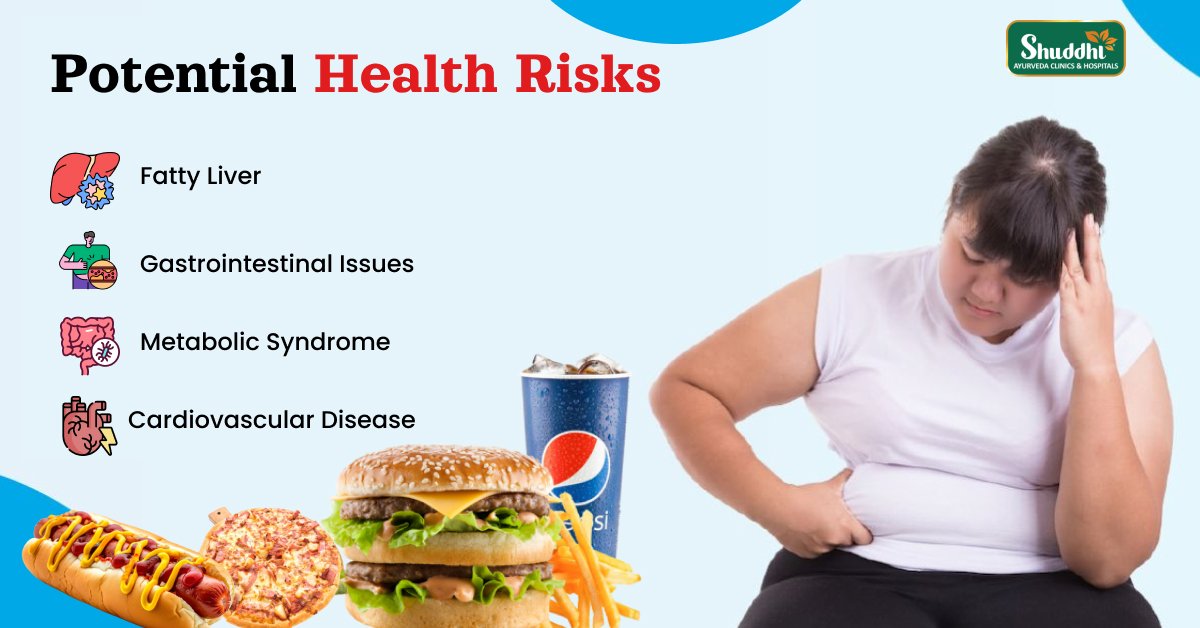
- Sugar and Refined Carbohydrates: The single greatest culprit. Excess sugar, particularly high-fructose corn syrup and refined flour, spikes blood sugar and insulin. This leads to the creation of those dangerous small, dense LDL particles, promotes the storage of visceral fat (a major source of inflammation), and directly damages the endothelial lining of blood vessels.
- Industrial Seed Oils (Omega-6 Overload): While omega-6 fatty acids are essential in balance with omega-3s, the modern diet is wildly skewed. We consume massive amounts of processed oils (soybean, corn, sunflower, canola) found in nearly all packaged foods. This imbalance promotes a pro-inflammatory state throughout the body.
- The Lack of Protective Foods: We are profoundly deficient in the anti-inflammatory compounds found in colorful vegetables, fruits, nuts, seeds, and fatty fish. Fiber, which feeds a healthy gut microbiome and helps regulate cholesterol and blood sugar, is conspicuously absent.
2. The Sedentary Life: Sitting is the New Smoking
Our ancestors were movers by necessity. Today, we sit—in cars, at desks, on couches. This physical idleness has devastating consequences:
- Metabolic Sludge: Muscles that aren’t regularly activated become resistant to insulin, driving up blood sugar and promoting fat storage.
- Poor Circulation and Stiff Arteries: Exercise keeps our blood vessels flexible and responsive. Without it, they become stiff, driving up blood pressure and reducing their ability to produce nitric oxide, a crucial molecule that keeps them dilated and healthy.
- Inefficient Fuel Burning: A sedentary body is poor at utilizing fat for fuel, leading to elevated triglycerides and increased fat deposition in and around organs.
3. Chronic Stress: The Unseen Toxin
Unlike acute stress (running from a predator), which is short-lived, modern stress is chronic and unrelenting: work deadlines, financial pressures, the 24/7 news cycle, social media anxiety. This constant state of “fight or flight” keeps stress hormones like cortisol elevated.
- Cortisol and Blood Pressure: Chronically high cortisol increases blood pressure and heart rate, straining the cardiovascular system.
- Fueling the Fire: Cortisol promotes the release of glucose into the bloodstream and encourages the storage of visceral fat, further feeding the inflammatory cycle.
- Behavioral Impact: Stress often leads to poor coping mechanisms—overeating, drinking alcohol, smoking, skipping exercise—which compound the problem.
4. The Sleep Deprivation Epidemic
We have sacrificed sleep on the altar of productivity, and our hearts are paying the price. Consistently sleeping less than 7 hours per night is linked to:
- Increased blood pressure and cortisol.
- Disruption of appetite hormones (leptin and ghrelin), leading to increased cravings for sugary, high-carb foods.
- Impaired glucose tolerance, pushing the body toward pre-diabetes.
- Increased systemic inflammation.
5. The Social and Environmental Poisons
- Loneliness and Isolation: Studies now show that social isolation and loneliness are as strong a risk factor for heart disease as smoking. The lack of meaningful connection is a profound psychological stressor.
- Environmental Toxins: Air pollution, particularly fine particulate matter (PM2.5), is a direct driver of systemic inflammation and endothelial dysfunction. Heavy metals in water and food, and endocrine-disrupting chemicals in plastics, also contribute to the toxic burden.
Part 3: Rewriting Your Code – A Practical Guide to Changing Your Fate
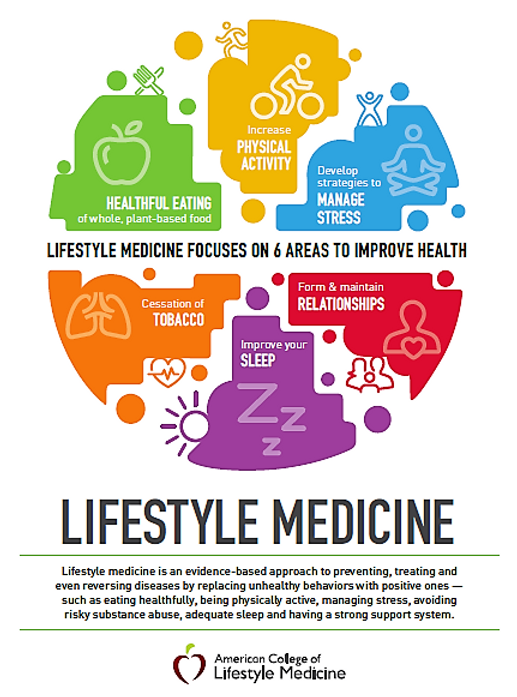
Knowing the enemy is half the battle. The other half is taking decisive, consistent action. This is not about a short-term “diet”; it is about a fundamental lifestyle renovation. The following framework is built on the principle of reducing inflammation and building resilience.
Pillar 1: Eat to Extinguish the Fire
Shift your focus from counting calories to improving food quality.
- Eliminate the Primary Offenders: Drastically reduce or eliminate added sugars, refined grains (white bread, pasta, rice), and processed foods. Read labels—if it has high-fructose corn syrup or a long list of unpronounceable ingredients, put it back.
- Embrace the Anti-Inflammatory Plate:
- Colorful Vegetables and Fruits: Aim for a rainbow. These are packed with antioxidants and polyphenols that directly combat inflammation. Think leafy greens, berries, bell peppers, broccoli.
- Healthy Fats: Make avocados, olive oil, nuts, seeds, and fatty fish (like wild-caught salmon and sardines) your primary fat sources. These provide omega-3s and monounsaturated fats that are anti-inflammatory.
- Quality Protein: Prioritize fish, poultry, eggs, and plant-based proteins like lentils and beans. Reduce processed red meats.
- Fiber is Your Friend: It feeds beneficial gut bacteria, which produce anti-inflammatory compounds. Get it from vegetables, fruits, beans, and whole grains like oats and quinoa.
Pillar 2: Move Like Your Life Depends On It (Because It Does)
Incorporate a mix of movement patterns.
- Walk Every Day: This is non-negotiable. Aim for at least 30 minutes of brisk walking. It improves circulation, helps manage stress, and aids metabolic health.
- Lift Heavy Things 2-3 Times per Week: Strength training builds muscle, which is a metabolic sink for glucose. It improves insulin sensitivity, strengthens bones, and boosts metabolism.
- Push Your Heart Rate (Sparingly): High-Intensity Interval Training (HIIT) 1-2 times per week, involving short bursts of intense effort followed by rest, is incredibly effective at improving cardiovascular fitness and insulin sensitivity. A 20-minute session can be more effective than an hour of steady-state cardio.
Pillar 3: Master Your Inner Environment
Your mind is the command center for your body’s inflammatory response.
- Stress Resilience Practices: This is not about eliminating stress, but changing your response to it.
- Mindfulness and Meditation: Even 10 minutes a day can lower cortisol, reduce blood pressure, and create space between a stressor and your reaction.
- Breathwork: Simple techniques like “box breathing” (inhale for 4, hold for 4, exhale for 4, hold for 4) can activate the parasympathetic (“rest and digest”) nervous system in minutes.
- Prioritize Sleep as a Medical Intervention:
- Create a Ritual: Go to bed and wake up at the same time, even on weekends.
- Make it Dark, Cool, and Quiet: Optimize your bedroom environment.
- Ditch the Screens: Avoid blue light from phones and TVs for at least an hour before bed.
Read more: The Gut-Brain Connection: How Stress and Anxiety Are Wrecking Your Digestion
Pillar 4: Cultivate Connection and Purpose
- Nurture Relationships: Make time for face-to-face connection with friends and family. Join a club, a gym class, or a volunteer group. Social bonds are a powerful buffer against stress.
- Find Your “Why”: A sense of purpose—whether through work, hobbies, family, or community service—is linked to better health outcomes and longevity. It provides a reason to make healthy choices.
Part 4: The Role of Modern Medicine – Partner, Not Savior
Lifestyle is the foundation, but modern medicine provides powerful tools. The key is to use them as part of a comprehensive strategy, not as a substitute for healthy living.
- Know Your Numbers, But Know Their Context: Get regular check-ups. Know your blood pressure, cholesterol (including particle size, if possible), fasting blood sugar, and HbA1c. However, understand that these are markers, not the disease itself. The goal is to improve the root causes that drive these numbers.
- Advanced Testing: Ask your doctor about more nuanced tests like C-Reactive Protein (hs-CRP) to measure inflammation, ApoB for a more accurate count of atherogenic particles, and Coronary Artery Calcium (CAC) Scans for a direct look at plaque burden in those at intermediate risk.
- Medication as a Tool: Statins, blood pressure medications, and metformin can be life-saving. If lifestyle changes are not enough to control your risk, these medications are a crucial backup. The goal should be to use the minimum effective dose while maximizing lifestyle interventions.
Conclusion: Your Heart is in Your Hands
Heart disease remains America’s leading killer not because it is genetically inevitable, but because we are swimming in a sea of inflammatory triggers that our bodies were never designed to handle. We have been sold a lie of powerlessness, a story that our genes are our destiny.
The truth is far more hopeful, and far more demanding. Your fate is not written in your DNA; it is written in your daily choices—the food you eat, the way you move, the quality of your sleep, and the management of your stress. It is written in the strength of your relationships and the purpose you find in your life.
Changing your fate requires a paradigm shift: from being a passive patient waiting for a diagnosis to being the active architect of your own health. It requires moving beyond genetics and taking ownership of the environment you create for your body, cell by cell, meal by meal, moment by moment.
The power to dethrone heart disease does not lie in a distant lab. It lies with you. Start building your new fate today.
Read more: Beyond Gluten-Free: Is a Low-FODMAP Diet the Right Choice for Your Digestive Distress?
Frequently Asked Questions (FAQ)
Q1: If heart disease runs strongly in my family, doesn’t that mean I’m doomed?
A: Absolutely not. A family history indicates a genetic predisposition, not a predetermined outcome. It means your “set point” may be more sensitive to the inflammatory triggers of a poor lifestyle. Think of it as a warning to be more diligent. For someone with a strong family history, the lifestyle interventions outlined in this article are not optional; they are essential medicine. You have even more to gain by living healthily.
Q2: I’ve heard that saturated fat is now okay. Is that true? Should I avoid it?
A: The science on saturated fat (found in red meat, butter, full-fat dairy) is complex and evolving. The old message to avoid all saturated fat was too simplistic, as it led people to eat more sugar and refined carbs. The current, more nuanced view is that the context matters immensely.
- Saturated fat in the context of a diet high in sugar and refined carbs is likely harmful.
- Saturated fat in the context of a whole-foods, low-sugar, fiber-rich diet appears to be less problematic for many people.
A prudent approach is to focus on getting most of your fats from unquestionably healthy sources like olive oil, avocados, nuts, and fatty fish, and to view saturated fat from unprocessed sources as a neutral-to-okay part of a balanced diet, not a health food.
Q3: I’m on a statin for high cholesterol. Does this mean I don’t have to worry about diet and exercise?
A: This is a dangerous misconception. Statins are a powerful tool to lower LDL cholesterol, but they do not address the root causes of inflammation, insulin resistance, or endothelial dysfunction. Relying solely on a statin is like using a powerful painkiller for a broken leg without setting the bone. The underlying problem persists. For comprehensive protection, lifestyle changes are non-negotiable, even if you are on medication. In fact, a healthy lifestyle can often allow you to use a lower dose of medication with better overall outcomes.
Q4: What is the single most important change I can make for my heart health?
A: While a holistic approach is best, if you must pick one, eliminate sugary beverages. This includes soda, sweetened juices, and fancy coffee drinks. Liquid sugar is the most egregious source of empty calories and fructose in the modern diet, and it directly fuels fatty liver disease, insulin resistance, and inflammation. Cutting it out is a simple, highly effective step with immediate benefits.
Q5: How can I tell if I have chronic inflammation? Are there symptoms?
A: Chronic, low-grade inflammation is often “silent,” meaning it has no obvious symptoms until it manifests as a disease like a heart attack. However, some potential signs include:
- Constant fatigue and low energy.
- Body aches and pains.
- Digestive issues like bloating or gas.
- Skin conditions like eczema or psoriasis.
- Weight gain, especially around the abdomen.
The most reliable way to assess it is through a blood test for high-sensitivity C-Reactive Protein (hs-CRP), which you can request from your doctor.
Q6: Is red wine good for the heart?
A: The “French Paradox” led to a popular belief that red wine is cardioprotective due to antioxidants like resveratrol. The reality is more sobering. While moderate alcohol consumption (particularly red wine) has been associated with a lower risk in some observational studies, these studies are fraught with confounding factors. More recent, rigorous research suggests that any amount of alcohol consumption carries health risks, and the purported benefits for the heart are likely outweighed by the risks, including increased risk for certain cancers and liver disease. It is not recommended to start drinking for health benefits. If you already drink, doing so in strict moderation (no more than one drink per day for women, two for men) is the prudent approach.
Q7: I’m overwhelmed. Where should I start?
A: Start small and build one habit at a time. Don’t try to change everything overnight. A great 4-week plan could be:
- Week 1: Add a 15-minute walk after dinner and replace one sugary drink per day with water or herbal tea.
- Week 2: Increase your walk to 20-30 minutes and add one extra serving of vegetables to your lunch or dinner.
- Week 3: Prepare a healthy breakfast (e.g., eggs and avocado, or oatmeal with berries) the night before to avoid a processed morning meal.
- Week 4: Incorporate a 5-minute mindfulness or breathing practice before you start your day.
Small, consistent wins build momentum and create lasting change far more effectively than drastic, unsustainable overhauls.