
If you fear a future dominated by doctor’s visits, medication schedules, and the slow creep of chronic illness, you are not alone. Diseases like heart disease, type 2 diabetes, many forms of cancer, and stroke have become so commonplace that they often feel inevitable. We watch parents and grandparents navigate these conditions and resign ourselves to a similar fate, believing our health is predetermined by our genes.
It is time to shatter that myth.
The most compelling research of the 21st century, including landmark studies from institutions like Harvard T.H. Chan School of Public Health and the Centers for Disease Control and Prevention (CDC), reveals a startling and empowering truth: a staggering 80% of chronic diseases are preventable through modifiable lifestyle choices.
Let that sink in. Four out of every five cases of the illnesses that account for the majority of American deaths and healthcare spending could be avoided. The key lies not in a breakthrough drug or a futuristic technology, but in a fundamental reset of how we live, eat, move, and rest.
This article is not about a fad diet or a punishing fitness regime. It is a practical, evidence-based guide to a “Lifestyle Reset”—a sustainable overhaul of your daily habits. We will move beyond the confusing headlines and conflicting advice to provide a clear, actionable blueprint. This is not about achieving a number on a scale or running a marathon; it is about building a foundation of health so robust that it can protect you for decades to come. The power to prevent disease is, quite literally, in your hands. Let’s begin the reset.
Part 1: The Stark Reality & The Science of Hope
The American Health Crisis: A Preventable Epidemic
The United States, despite spending more on healthcare than any other nation, faces a crisis of chronic disease.
- Heart Disease remains the leading cause of death for both men and women.
- Diabetes affects over 38 million Americans, with 90-95% of cases being Type 2.
- Cancer is the second leading cause of death, with links to obesity, poor nutrition, and smoking.
- Obesity rates have skyrocketed, with over 40% of adults now classified as having obesity, a major risk factor for numerous other conditions.
The human cost is immeasurable in terms of suffering, loss of independence, and diminished quality of life. The financial cost is equally staggering, burdening families, businesses, and the national economy.
The 80% Figure: Where Does It Come From?
The assertion that 80% of chronic diseases are preventable is not an exaggeration. It is a conclusion drawn from decades of large-scale epidemiological studies.
- The CDC states that chronic diseases are “the leading causes of death and disability” and that they are “driven by risk factors that are largely preventable.”
- The Harvard Nurses’ Health Study and Health Professionals Follow-Up Study, which have tracked the health behaviors of hundreds of thousands of people for over 30 years, have consistently shown that individuals who maintain a healthy weight, eat a quality diet, exercise regularly, and do not smoke have a dramatically lower risk of heart disease, diabetes, and stroke.
- The World Health Organization (WHO) emphasizes that tobacco use, physical inactivity, unhealthy diet, and harmful use of alcohol are the primary drivers of the global non-communicable disease (NCD) epidemic.
These “modifiable risk factors” are the levers we can pull. They are more influential for most people than genetic predisposition. While genes may load the gun, lifestyle pulls the trigger.
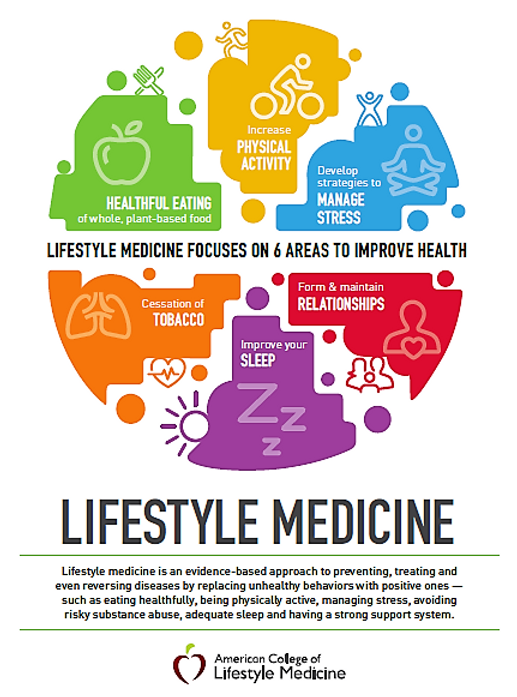
Part 2: The Five Pillars of the Lifestyle Reset
Preventing chronic disease is not about one single, magical action. It is about the synergistic effect of multiple healthy habits. Think of these as the five pillars that hold up your temple of health. When all are strong, the structure is resilient.
Pillar 1: Food as Medicine – Mastering the Modern Plate
The standard American diet (SAD)—high in processed foods, refined sugars, unhealthy fats, and sodium—is a primary driver of inflammation, insulin resistance, and obesity. Resetting your diet is the single most impactful change you can make.
Actionable Strategies:
- Embrace the 90/10 or 80/20 Rule: Aim for 90% of your calories to come from whole, minimally processed foods. Allow yourself 10% for flexibility and enjoyment. This is not about perfection; it’s about consistent progress.
- Prioritize Plants: Fill at least half of your plate with a colorful variety of non-starchy vegetables and fruits. They are packed with fiber, vitamins, minerals, and antioxidants that combat cellular damage and reduce inflammation.
- Practical Tip: Add one extra vegetable to every meal. Spinach in your morning eggs, lettuce and tomato on your sandwich, a side salad with dinner.
- Choose Smart Proteins: Shift your protein sources towards plants (beans, lentils, tofu, tempeh), fish (especially fatty fish like salmon and sardines), and lean poultry. Limit red and processed meats (bacon, sausage, deli meats).
- Welcome Healthy Fats: Not all fat is created equal. Actively include sources of unsaturated fats like avocados, nuts, seeds, and olive oil. These support heart and brain health.
- Swap Refined Grains for Whole Grains: Replace white bread, white rice, and regular pasta with 100% whole wheat, quinoa, oats, brown rice, and farro. The fiber helps regulate blood sugar and keeps you full.
- Become a Sugar Detective: The average American consumes 17 teaspoons of added sugar daily. The American Heart Association recommends no more than 6 teaspoons for women and 9 for men.
- Practical Tip: Read labels. Added sugars hide in sauces, bread, yogurt, and cereals. Cut back on sugary drinks first—this alone can have a massive impact.
Pillar 2: Move for Life – The Non-Negotiable of Daily Motion
Our bodies are designed to move. A sedentary life is a direct path to metabolic dysfunction, muscle loss, and poor cardiovascular health. Exercise is not just for weight loss; it’s a direct modulator of blood pressure, blood sugar, and mental health.
Actionable Strategies:
- Find Your “Why” and Make it Enjoyable: If you hate running, don’t run. Try dancing, hiking, swimming, cycling, or martial arts. Consistency trumps intensity.
- Follow the “Core Four” of Movement:
- Aerobic Exercise: Aim for at least 150 minutes of moderate-intensity (brisk walking, cycling where you can talk but not sing) or 75 minutes of vigorous-intensity (running, swimming laps) activity per week.
- Strength Training: Engage all major muscle groups at least two days per week. This builds metabolically active muscle, strengthens bones, and improves functional strength. You don’t need a gym; bodyweight exercises (squats, push-ups, planks) or resistance bands work perfectly.
- Flexibility & Mobility: Incorporate stretching or yoga 2-3 times per week to maintain range of motion and prevent injury.
- Balance Training: Especially important as we age. Practice standing on one foot, or try Tai Chi.
- NEAT is Key: Non-Exercise Activity Thermogenesis (NEAT) is the energy you burn from everything that isn’t formal exercise. Increase your NEAT by taking the stairs, parking farther away, having walking meetings, and doing household chores. A standing desk can be a game-changer.
Pillar 3: Rest & Recharge – The Unseen Healer
In our “hustle culture,” sleep and relaxation are often seen as luxuries. Science proves they are biological necessities. Chronic sleep deprivation and unmanaged stress are like pouring gasoline on the fire of inflammation and disease.
Actionable Strategies:
- Prioritize 7-9 Hours of Quality Sleep: Make sleep non-negotiable.
- Create a Ritual: Go to bed and wake up at the same time, even on weekends. An hour before bed, dim the lights and avoid screens (the blue light disrupts melatonin production).
- Optimize Your Environment: Keep your bedroom cool, dark, and quiet.
- Actively Manage Stress: Chronic stress elevates cortisol, which can increase blood sugar, promote belly fat storage, and raise blood pressure.
- Mindfulness & Meditation: Even 5-10 minutes a day can rewire your brain’s stress response. Apps like Calm or Headspace can guide you.
- Diaphragmatic Breathing: When stressed, take a “breathing break.” Inhale deeply for 4 counts, hold for 7, and exhale slowly for 8. Repeat 4-5 times. This activates the parasympathetic (rest-and-digest) nervous system.
- Schedule Downtime: Actively block out time in your calendar for hobbies, reading, or simply doing nothing.
Pillar 4: Substance Sense – Navigating Toxins and Temptations
Certain substances are so directly toxic that avoiding them is one of the most straightforward ways to slash disease risk.
Actionable Strategies:
- Tobacco & Nicotine: Zero Tolerance. There is no safe level of tobacco use. If you smoke, quitting is the single best thing you can do for your health. Seek help from your doctor, use quitlines (1-800-QUIT-NOW), or try FDA-approved medications and therapies.
- Alcohol: Rethink Your Drink. While moderate consumption has been debated, the latest research is clear that for cancer prevention, less is better. If you drink, do so in moderation—one drink per day for women and two for men—and have several alcohol-free days each week.
- Limit Environmental Toxins: While harder to control, you can reduce your exposure by choosing organic for the “Dirty Dozen” produce, using natural cleaning products, and filtering your tap water.
Pillar 5: Connection & Purpose – The Forgotten Health Factors
Loneliness and a lack of purpose are emerging as significant risk factors for chronic disease and premature mortality, on par with smoking and obesity. Human connection is a biological need.
Actionable Strategies:
- Nurture Your Relationships: Make time for family and friends. Schedule regular calls or visits. Strong social ties reduce stress and provide a support system.
- Find Your Community: Join a club, a sports team, a volunteer organization, or a religious group. Belonging to something larger than yourself fosters meaning.
- Cultivate Purpose: What gets you out of bed in the morning? It could be your work, a creative pursuit, caring for a loved one, or a cause you believe in. A sense of purpose is linked to better immune function and longevity.
Part 3: Your Practical Reset Plan: Getting Started
The prospect of changing everything at once is overwhelming. Don’t. The key to a successful Lifestyle Reset is to start small and build momentum.
Phase 1: The Foundation (Weeks 1-2) – Awareness & One Change
- Conduct a Habit Audit: For three days, write down everything you eat, your activity levels, your sleep hours, and your stress triggers. Do not judge, just observe.
- Pick ONE “Keystone Habit”: Choose one small, achievable change from the pillars above. Examples:
- Pillar 1: Drink a glass of water before every meal.
- Pillar 2: Take a 15-minute walk after lunch.
- Pillar 3: Go to bed 15 minutes earlier.
- Pillar 4: If you smoke, call the quitline for information.
- Pillar 5: Call one friend or family member each week to catch up.
- Focus only on that one habit until it becomes automatic.
Phase 2: Building Momentum (Weeks 3-6) – Stacking Habits
- Once your first habit is solid, add a second one.
- Practice “habit stacking”: Link a new habit to an existing one. “After I pour my morning coffee, I will meditate for one minute.” Or, “After I come home from work, I will change into my workout clothes immediately.”
Phase 3: Full Integration (Weeks 7+) – The New Normal
- Continue adding and refining habits.
- Plan for obstacles. What will you do when you travel? When you have a stressful week at work? Having a “if-then” plan (e.g., “If I have to work late, then I will do a 10-minute bodyweight workout at home”) prevents total derailment.
- Celebrate Non-Scale Victories (NSVs): Notice your improved energy, better sleep, clearer skin, looser-fitting clothes, and improved mood. These are the true markers of success.
Conclusion: Your Health, Your Legacy
The path to preventing 80% of chronic diseases is not a secret held by elite scientists. It is a practical, accessible, and profoundly powerful journey available to every single one of us. This Lifestyle Reset is not a short-term punishment; it is a long-term investment in the quality of your life.
You do not need to be perfect. You simply need to be persistent. Start with one change. Celebrate one victory. Then take the next step. Each healthy meal, each walk taken, each good night’s sleep, and each moment of connection is a brick in the fortress you are building against disease.
You have the knowledge. You have the power. The reset begins now. Your future self will thank you for it.
Read more: The Silent Crisis: Understanding the Link Between Stress, Poor Sleep, and Hypertension in the US
Frequently Asked Questions (FAQ)
Q1: This sounds like a lot of work. I’m busy and overwhelmed. Where do I even start?
A: This is the most common and valid concern. Please, do not try to do everything at once. Go back to the “Practical Reset Plan” and focus on Phase 1. Pick the one thing that feels easiest or most appealing to you. It could be adding one vegetable to dinner or walking 10 minutes a day. Master that single habit for two weeks. Small wins build confidence and create momentum that makes the next change feel easier.
Q2: I have a family history of heart disease/diabetes/cancer. Isn’t my fate already sealed?
A: Absolutely not. While family history increases your risk, it does not determine your destiny. The 80% prevention figure largely applies to people regardless of genetic predisposition. In many cases, a healthy lifestyle can effectively “turn off” the expression of risky genes. Knowing your family history is not a death sentence; it’s a powerful motivator to take control of the factors you can change.
Q3: I’ve tried diets and exercise programs before, and I always fail. How is this different?
A: This is not a temporary “program.” It is a gradual shift in lifestyle. The reason many diets fail is because they are restrictive, unsustainable, and focus only on food. This reset addresses the whole person: nutrition, movement, rest, and mental well-being. By starting small and focusing on building systems rather than pursuing short-term goals, you create changes that last a lifetime, not just a few weeks.
Q4: I’m on a tight budget. Is eating healthy and living this lifestyle really affordable?
A: It can be. While some health foods are expensive, the core principles of a healthy diet are based on affordable staples.
- Buy in Bulk: Dried beans, lentils, brown rice, and oats are incredibly cheap and nutritious.
- Frozen is Your Friend: Frozen vegetables and fruits are just as nutritious as fresh, often cheaper, and reduce food waste.
- Plan and Cook at Home: This is the single biggest money-saver. Preparing meals at home is far cheaper than eating out or buying processed convenience foods.
- Focus on Plants: Plant-based proteins (beans, lentils) are generally much cheaper than meat.
- Move for Free: Walking, bodyweight exercises, and YouTube workout videos are free.
Q5: I’m older (60+). Is it too late for me to see benefits from a lifestyle reset?
A: It is never too late. Studies consistently show that adopting healthy habits at any age can yield significant benefits. Older adults who become more active improve their balance (reducing fall risk), maintain cognitive function, and better manage conditions like arthritis and hypertension. Improving your diet can boost energy and immune function. The body has a remarkable capacity to heal and improve at any stage of life. Always consult your doctor before starting a new exercise routine.
Q6: How do I deal with cravings for sugary or processed foods?
A: Cravings are normal, especially as your body and taste buds adjust.
- Don’t Deprive Yourself: Use the 90/10 rule. Allowing a small treat prevents the feeling of deprivation that leads to bingeing.
- Out of Sight, Out of Mind: Don’t keep trigger foods in the house.
- Stay Hydrated: Thirst is often mistaken for hunger or sugar cravings.
- Eat Balanced Meals: Ensure your meals have protein, fiber, and healthy fats. This stabilizes blood sugar and keeps you full, reducing cravings.
- Wait it Out: A craving is like a wave—it often peaks and passes within 10-20 minutes. Distract yourself with a walk, a glass of water, or a task.
Q7: What is the single most important change I can make?
A: If we had to pick one, the evidence points most strongly to eliminating sugary beverages. This includes soda, sweetened teas, sports drinks, and most fruit juices. They provide “empty calories,” spike your blood sugar, and do not promote satiety. Cutting them out is a simple, highly effective step with immediate benefits for your weight and metabolic health. However, the most impactful change for you is the one you can stick with consistently.