You feel it, don’t you? A phantom vibration in your pocket when your phone is silent. The compulsive reach for your device during a spare moment of silence. The mental fog after an hour of mindlessly scrolling through a blur of news, updates, and curated vacation photos. The low-grade, persistent anxiety that you might be missing out on something, anything.
Welcome to life in hyper-connected America. While the promise of the digital age was liberation—access to information, connection across distances, and unprecedented convenience—the reality for many has become a form of digital servitude. Our attention is the product being sold, and our peace of mind is often the collateral damage.
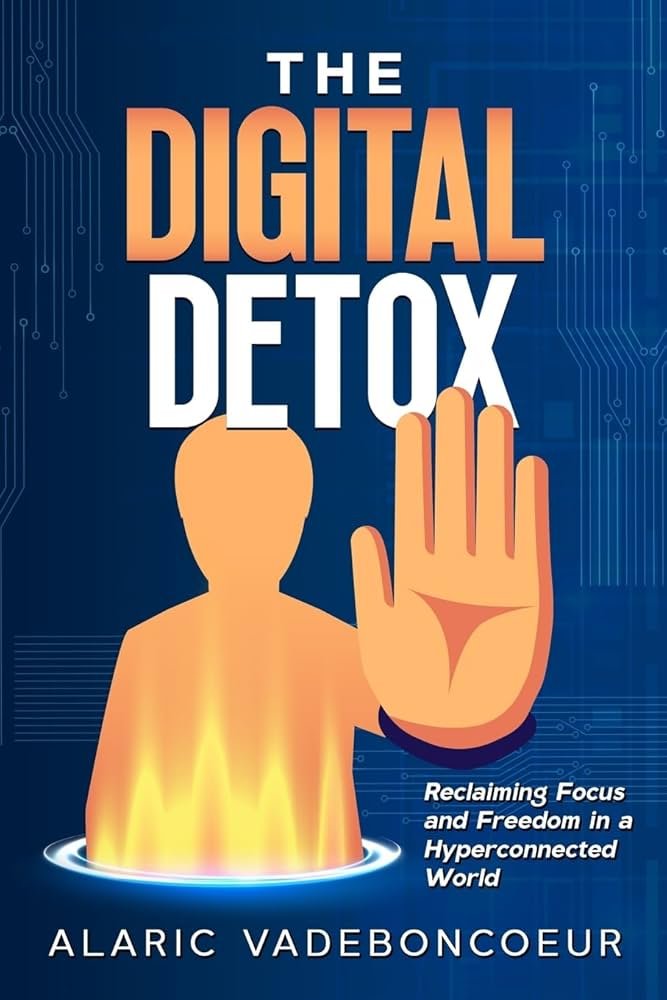
But a movement is growing, a quiet rebellion against the constant noise. It’s called the “digital detox,” and it’s not about abandoning technology altogether. It’s about intentionally and strategically reclaiming control over your time, your focus, and your mental well-being. This article is your guide to understanding why a digital detox is not a luxury, but a necessity in modern American life, and how you can successfully implement one to rediscover a clearer mind and a brighter mood.
Part 1: The American Connection Crisis: Understanding the “Why”
Before we can solve a problem, we must diagnose it. The urge to be constantly connected isn’t a personal failing; it’s a byproduct of a technological ecosystem designed to be addictive.
The Dopamine Loop: Why Your Phone Feels So Good (and So Bad)
At the heart of our device dependency is a powerful neurochemical: dopamine. Often mislabeled as the “pleasure chemical,” dopamine is more accurately the “reward-seeking” or “motivation” chemical. It’s released when we anticipate a reward, driving us to take action.
Social media platforms, email, and news apps are masterfully engineered to exploit this system:
- Variable Rewards: The “pull-to-refresh” mechanism is a digital slot machine. You never know what you’ll get—a heartwarming message, a shocking news headline, or a funny cat video. This unpredictability is far more compelling and dopamine-inducing than a predictable outcome.
- Likes and Notifications: Each red notification bubble or “like” is a micro-validation, a small social reward that delivers a hit of dopamine, reinforcing the behavior of checking the app.
- Fear of Missing Out (FOMO): This is the anxiety that others might be having rewarding experiences from which you are absent. Social media feeds are highlight reels, constantly stoking this fear and compelling us to check in to ensure we’re not left out.
Over time, this constant stimulation rewires our brains. We become conditioned to seek quick, digital hits of validation and information, making it harder to engage in activities that provide deeper, more sustained satisfaction—like reading a book, having a focused conversation, or simply letting our minds wander.
The Cognitive Cost: The Shattered Focus of the Modern American
The impact of this constant connectivity on our cognitive abilities is profound. Research in neuroscience and psychology has identified several key casualties:
- Attentional Fragmentation: The average American office worker switches tasks every three minutes. Once interrupted, it can take over 23 minutes to return to the original task. Our devices, with their constant pings and alerts, are the primary source of these interruptions, leading to a state of chronic distraction where deep, concentrated work becomes nearly impossible.
- The Erosion of Deep Work: Coined by Professor Cal Newport, “deep work” is the ability to focus without distraction on a cognitively demanding task. It’s the state in which we produce our best work, solve complex problems, and achieve true mastery. The hyper-connected environment systematically dismantles our capacity for it.
- Digital Amnesia and Weakened Memory: When we know we can “Google it,” our brains are less likely to encode information into long-term memory. Furthermore, the constant switching prevents the consolidation of memories. We experience much, but retain little.
The Emotional Toll: Anxiety, Comparison, and Loneliness in a Connected World
The cognitive cost is only half the story. The emotional and psychological impact is equally, if not more, significant.
- The Comparison Trap: Social media platforms are a breeding ground for upward social comparison. We compare our messy, behind-the-scenes lives with everyone else’s curated, airbrushed highlight reels. This consistently leads to lowered self-esteem, envy, and feelings of inadequacy.
- Information Overload and Anxiety: The 24/7 news cycle, coupled with a deluge of messages and updates, can create a state of chronic low-grade anxiety and a sense of being perpetually overwhelmed. The world’s problems feel incessant and inescapable.
- Paradox of Connection: Despite being more “connected” than ever, loneliness is at epidemic levels in the United States. Digital communication often lacks the nuance, warmth, and emotional resonance of face-to-face interaction. A hundred “friends” online can mask a profound lack of deep, meaningful relationships offline.
- Sleep Disruption: The blue light emitted by screens suppresses the production of melatonin, the hormone essential for sleep. Using devices before bed not only makes it harder to fall asleep but also reduces the quality of REM sleep, leaving you groggy and irritable the next day and impacting your mood and focus throughout the day.
Part 2: The Art of the Detox: A Practical Guide for American Life
A digital detox is not a one-size-fits-all prescription. It’s a personal, intentional practice of creating boundaries between you and your devices. The goal is to make technology a tool you use with purpose, not a master you unconsciously serve.
Step 1: Conduct a Digital Audit – Know Your Enemy
You can’t manage what you don’t measure. For 2-3 days, simply observe your digital habits without judgment. Use your phone’s built-in screen time tracker (iOS Screen Time or Android Digital Wellbeing) to get concrete data.
- Which apps are you spending the most time on?
- How many times do you pick up your phone per day?
- What triggers you to check your phone? (Boredom, stress, social anxiety, procrastination?)
- How do you feel after spending time on a particular app or platform? (Inspired, informed, or anxious, drained, and jealous?)
This audit provides a baseline and reveals the specific areas where your digital life is most out of alignment with your well-being.
Step 2: Define Your “Why” and Set Realistic Goals
A detox born of guilt or trend-following will fail. Connect it to a positive, compelling vision for your life.
- Why are you doing this? “I want to be more present with my kids in the evenings.” “I need to focus to finish my novel.” “I want to feel less anxious and sleep better.” “I want to rediscover my hobbies.”
- Set S.M.A.R.T. Goals: Instead of a vague “I’ll use my phone less,” set Specific, Measurable, Achievable, Relevant, and Time-bound goals.
- Bad goal: “I’ll stop using Instagram.”
- Good goal: “I will limit my Instagram use to 15 minutes per day, checked only after 5 PM, and I will delete the app from my phone for the month of April.”
Step 3: Implement Tactical Boundaries and “Tech Hygiene”
This is where theory meets practice. Start with small, sustainable changes.
- The Phoneless Bedroom: This is the single most effective rule. Charge your phone in another room overnight. Use a traditional alarm clock. This one change improves sleep quality, reduces morning anxiety, and sets a calmer tone for the day.
- Notification Triage: Turn off all non-essential notifications. The only things that should be allowed to interrupt you are phone calls from family or critical messages from specific people. Everything else can wait.
- Create Device-Free Zones and Times: The dinner table, the bedroom, and perhaps the first hour of the morning should be sacred. Establish “digital sunsets” 60-90 minutes before bed.
- Curate Your Feeds: Unfollow accounts that make you feel bad about yourself. Mute noisy group chats. Use browser extensions to block distracting websites during work hours. Be ruthless in designing your digital environment to serve you.
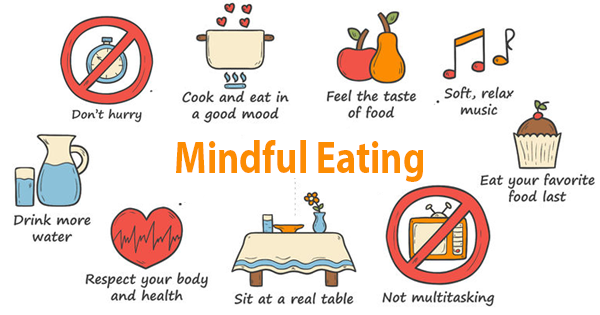
- The Single-Tasking Revolution: When working, close all tabs and apps not relevant to the task at hand. When eating, just eat. When talking to someone, make eye contact. Practice doing one thing at a time, fully.
Step 4: Reclaim the Void – Fill Your Time with Intention
When you remove a habit that occupies a significant amount of time and mental energy, a vacuum is created. If you don’t intentionally fill it, you’ll be pulled back to the familiar scroll.
- Rediscover Analog Pleasures: Keep a book on your coffee table. Dig out that old sketchpad or guitar. Go for a walk without your phone (or with it in airplane mode for music only).
- Re-engage with Your Environment: Notice the world around you. Practice mindfulness. Strike up a conversation with a barista or a colleague. Boredom is a catalyst for creativity and self-reflection; don’t be afraid of it.
- Invest in Real-World Relationships: Make a phone call instead of sending a text. Schedule a weekly coffee or walk with a friend. The deep connection you crave is found in shared, uninterrupted experiences.
Part 3: Advanced Detox Strategies: From Micro-Habits to Macro-Shifts
For those ready to go deeper, or for whom the basic steps aren’t enough, consider these more advanced strategies.
1. The Sabbatical: A Weekend or Week-Long Detox
Plan a complete break. This could be a weekend or a full week where you delete social media apps, set an out-of-office email reply, and inform friends and family you’ll be offline.
- Plan Ahead: What will you do with your time? Plan hikes, read books, cook elaborate meals, visit a museum. An unstructured detox can feel like deprivation.
- Reflect: Keep a journal. Note the cravings, the moments of FOMO, but also the moments of profound peace, clarity, and connection. This reflection solidifies the benefits.
2. The Minimalist Phone
This radical approach involves stripping your smartphone down to its essential functions. Delete all social media, news, and entertainment apps. Use it for calls, texts, maps, music/podcasts, and camera. It transforms your phone from a portal of infinite distraction back into a simple tool.
3. Mindful Consumption Frameworks
Instead of abstinence, practice intentional engagement.
- The “Why” Before “What”: Before opening an app, state your purpose aloud. “I am opening Twitter for 5 minutes to check for updates from X account.” Once the purpose is fulfilled, close the app.
- The Information Diet: Treat information like food. Consume what is nutritious and beneficial, and avoid what is junk. Be selective about your news sources, the blogs you read, and the content you stream.
The Payoff: A Life Reclaimed
The benefits of a successful digital detox are not abstract; they are tangible and transformative.
- Sharper Focus and Enhanced Productivity: You will find it easier to enter a state of flow, complete tasks efficiently, and produce higher-quality work.
- Improved Mood and Reduced Anxiety: Without the constant barrage of bad news and social comparison, your baseline anxiety will lower. You’ll experience more moments of genuine calm and contentment.
- Deeper Relationships: When you are fully present with people, the quality of your interactions improves dramatically. You listen better, empathize more deeply, and forge stronger bonds.
- Rediscovery of Self: You will have the mental space to remember what you truly enjoy, what you’re curious about, and what gives your life meaning beyond the digital noise.
- Better Sleep and Physical Health: Improved sleep leads to more energy, a stronger immune system, and better overall health.
Conclusion: From Detox to a Digital Lifestyle
A digital detox is not a one-time event, like a crash diet. It is the beginning of a new, conscious relationship with technology. It’s a journey of continual adjustment and self-awareness. In a country like the USA, where digital saturation is the norm, choosing to be intentional with your attention is a radical act of self-care.
You do not need to reject the incredible benefits of modern technology. But you can learn to wield it with wisdom and purpose. Start small. Be kind to yourself when you slip up. Remember the goal: not to live in a cave, but to live in the world—fully, focused, and freely. Reclaim your attention, and you will reclaim your life.
Read more: The Silent Crisis: Understanding the Link Between Stress, Poor Sleep, and Hypertension in the US
Frequently Asked Questions (FAQ)
Q1: I have a job that requires me to be on email and messaging apps all day. How can I possibly do a digital detox?
This is a very common and valid concern. A detox in this context isn’t about going completely offline but about creating “focus blocks.” Use tools like “Do Not Disturb” modes and schedule specific times to batch-process emails and messages (e.g., 10 AM, 1 PM, 4 PM). Communicate this schedule to your colleagues. The goal is to prevent communications from constantly interrupting your deep work, not to ignore your job responsibilities.
Q2: Won’t I miss out on important news and events from my friends and family?
This is the FOMO talking. A well-executed detox uses strategy, not brute force. You can:
- Designate a trusted friend or family member to alert you to any truly critical news.
- Use more passive, less addictive ways to stay informed, like a curated weekly newsletter.
- Schedule a specific, limited time to “catch up” on social media feeds once a week, perhaps on a desktop computer, which is less conducive to mindless scrolling.
You’ll find that you miss very little of actual importance, and you gain immense mental clarity in return.
Q3: What if I feel bored or anxious without my phone?
This is a sign that the detox is working. Boredom and anxiety are often the feelings we are using our devices to avoid. Sit with the boredom. It is in these quiet, “unproductive” moments that creativity often sparks. The anxiety will pass. Acknowledge the feeling without judgment—”I’m feeling anxious and my mind is telling me to check my phone”—and then consciously choose a different activity, like a few minutes of deep breathing, a short walk, or picking up a book.
Q4: How do I deal with the social pressure? My friends all communicate through group chats, and they get annoyed if I’m not responsive.
Open communication is key. You don’t have to make a grand announcement. You can simply say, “Hey everyone, I’m trying to be less glued to my phone to focus better during the day, so if I’m slow to respond, that’s why!” Most people will understand. You can also set boundaries within the chat itself, like muting notifications and checking it only at set times. True friends will respect your efforts to improve your well-being.
Q5: I’ve tried this before and always end up back on my old habits. What am I doing wrong?
You’re not doing anything “wrong.” Breaking deeply ingrained habits is difficult. The key is to reframe relapse not as failure, but as data. What triggered you to go back? Was your goal too ambitious? Did you not fill the void with rewarding activities? Use the slip-up as a learning experience. Practice self-compassion and try again with a smaller, more manageable goal. Consistency over intensity is the mantra.
Q6: Are there any apps that can actually help me detox from my apps?
Yes, it’s a wonderfully ironic solution. Consider using:
- Focus Apps: Freedom, Forest, or Cold Turkey allow you to block distracting websites and apps for set periods.
- Usage Trackers: Your phone’s built-in Screen Time or Digital Wellbeing features are great for awareness.
- Mindfulness Apps: Apps like Insight Timer or Calm can be used intentionally (not compulsively) to guide you through meditations that help calm the urge to check your phone.
The goal of these tools is not to create a new dependency but to use them as training wheels until your new, healthier habits become automatic.