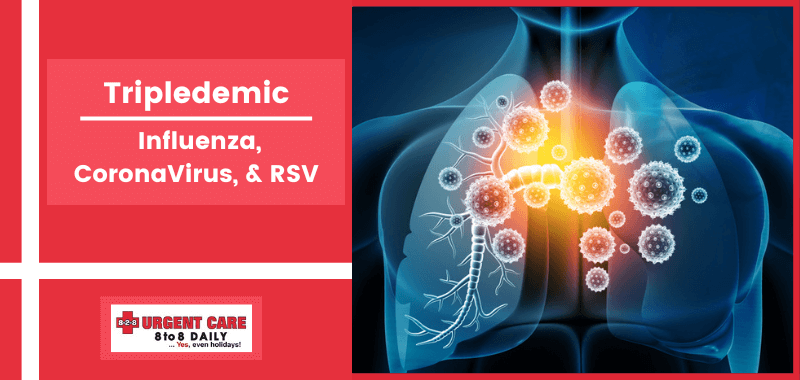
For decades, “flu season” was a predictable, if dreaded, annual event. We knew to get our flu shot, wash our hands a little more diligently, and hope for the best. But in recent years, a new and more complex threat has emerged, reshaping our understanding of seasonal respiratory illness. The term “tripledemic“ has entered our lexicon, describing the simultaneous surge of three major viruses: Influenza (Flu), Respiratory Syncytial Virus (RSV), and SARS-CoV-2 (COVID-19).
This convergence represents a perfect storm for our healthcare systems and our personal health. It’s no longer enough to simply get a flu shot and carry on. The era of the tripledemic demands a more sophisticated, layered, and proactive defense strategy. This article moves beyond the conventional wisdom to explore the latest scientific advancements, practical protective measures, and a holistic understanding of how we can navigate this new reality of overlapping threats.
Deconstructing the Tripledemic: Know Your Adversaries
To effectively combat a threat, you must first understand it. The tripledemic isn’t a single monster but a trio of distinct pathogens, each with its own modus operandi.
1. Influenza: The Familiar Foe with a Dangerous Bite
Influenza is an RNA virus notorious for its ability to mutate, which is why new flu vaccines are formulated each year.
- Transmission: Primarily through respiratory droplets from coughs, sneezes, and talking. It can also spread by touching contaminated surfaces.
- Typical Symptoms: Sudden onset of fever, chills, muscle aches, fatigue, cough, sore throat, and headache.
- High-Risk Groups: Young children, adults over 65, pregnant women, and individuals with chronic health conditions (e.g., asthma, heart disease, diabetes).
- The Threat: While often dismissed as “just the flu,” it causes hundreds of thousands of hospitalizations and tens of thousands of deaths globally each year. Its presence in a tripledemic overwhelms hospitals and increases the risk of co-infections.
2. RSV: Not Just a Kids’ Problem
Respiratory Syncytial Virus (RSV) has long been recognized as a significant cause of severe respiratory illness in infants, particularly those under six months. However, its impact on adults, especially older adults, has been historically underestimated.
- Transmission: Similar to influenza, through respiratory droplets and contaminated surfaces. It is highly contagious.
- Typical Symptoms: In most healthy adults and older children, RSV presents as a common cold. However, in infants, it can cause bronchiolitis (inflammation of the small airways in the lungs) and pneumonia. In older adults (65+), symptoms can be severe, including worsening of pre-existing conditions like COPD and congestive heart failure.
- High-Risk Groups: Infants, especially premature infants, adults over 65, and individuals with compromised immune systems or chronic heart/lung diseases.
- The Threat: RSV is a leading cause of hospitalization for infants. In the tripledemic context, a surge in pediatric RSV cases can quickly fill pediatric ICU beds, creating a cascade of strain throughout the healthcare system.
3. SARS-CoV-2: The Persistent and Evolving Virus
COVID-19, caused by the SARS-CoV-2 virus, has proven itself to be a resilient and adaptable pathogen. Its continued circulation, with new variants emerging, makes it a permanent player in the seasonal respiratory illness landscape.
- Transmission: Primarily through inhalation of airborne aerosols and droplets, particularly in poorly ventilated indoor spaces.
- Typical Symptoms: Extremely varied, ranging from asymptomatic to severe respiratory failure. Common symptoms include fever, cough, shortness of breath, fatigue, and loss of taste or smell, though newer variants often present more like a traditional cold or flu.
- High-Risk Groups: Older adults, immunocompromised individuals, and those with underlying medical conditions remain at highest risk for severe disease.
- The Threat: COVID-19’s ability to cause severe illness, Long COVID, and its high transmissibility make it the wild card in the tripledemic, capable of driving massive waves of infection that push hospitals beyond capacity.
The Perfect Storm: Why Now?
The concept of a tripledemic isn’t just media hype; it’s a phenomenon driven by several interconnected factors:
- Immunity Debt: The stringent public health measures during the early COVID-19 pandemic (lockdowns, masking, social distancing) dramatically reduced the circulation of flu and RSV. While this was beneficial in the short term, it created a larger pool of susceptible individuals, particularly young children who had never been exposed to these viruses. When restrictions lifted, these viruses returned with a vengeance, hitting a non-immune population.
- Viral Interference & Co-infection: It is possible to be infected with more than one virus at the same time (e.g., flu and COVID-19). Studies suggest that such co-infections can lead to more severe disease and worse outcomes.
- Seasonal Shifts: The seasons for these viruses are becoming less predictable. COVID-19 has shown it can surge at any time, and flu and RSV seasons have started earlier and lasted longer post-pandemic, increasing the window for overlap.
The Modern Arsenal: A New Generation of Defenses
The silver lining in this challenging landscape is the unprecedented pace of medical innovation. We are no longer reliant on the flu shot alone.
1. Advancements in Influenza Protection
The flu shot remains the cornerstone of prevention, but now we have more options:
- Enhanced Flu Vaccines: For adults 65 and older, standard-dose flu vaccines may not elicit a strong enough immune response. Adjuvanted and high-dose flu vaccines are specifically designed to create a more robust immune response in this vulnerable population, offering better protection.
- Cell-Based and Recombinant Vaccines: Traditional flu vaccines are grown in chicken eggs, which can sometimes lead to minor changes (adaptations) in the vaccine virus. Cell-based and recombinant vaccines are produced without eggs, potentially offering a closer match to the circulating flu viruses and a similar or better immune response.
2. The RSV Revolution: A Long-Awaited Breakthrough
For the first time, we have multiple tools to protect the most vulnerable from RSV.
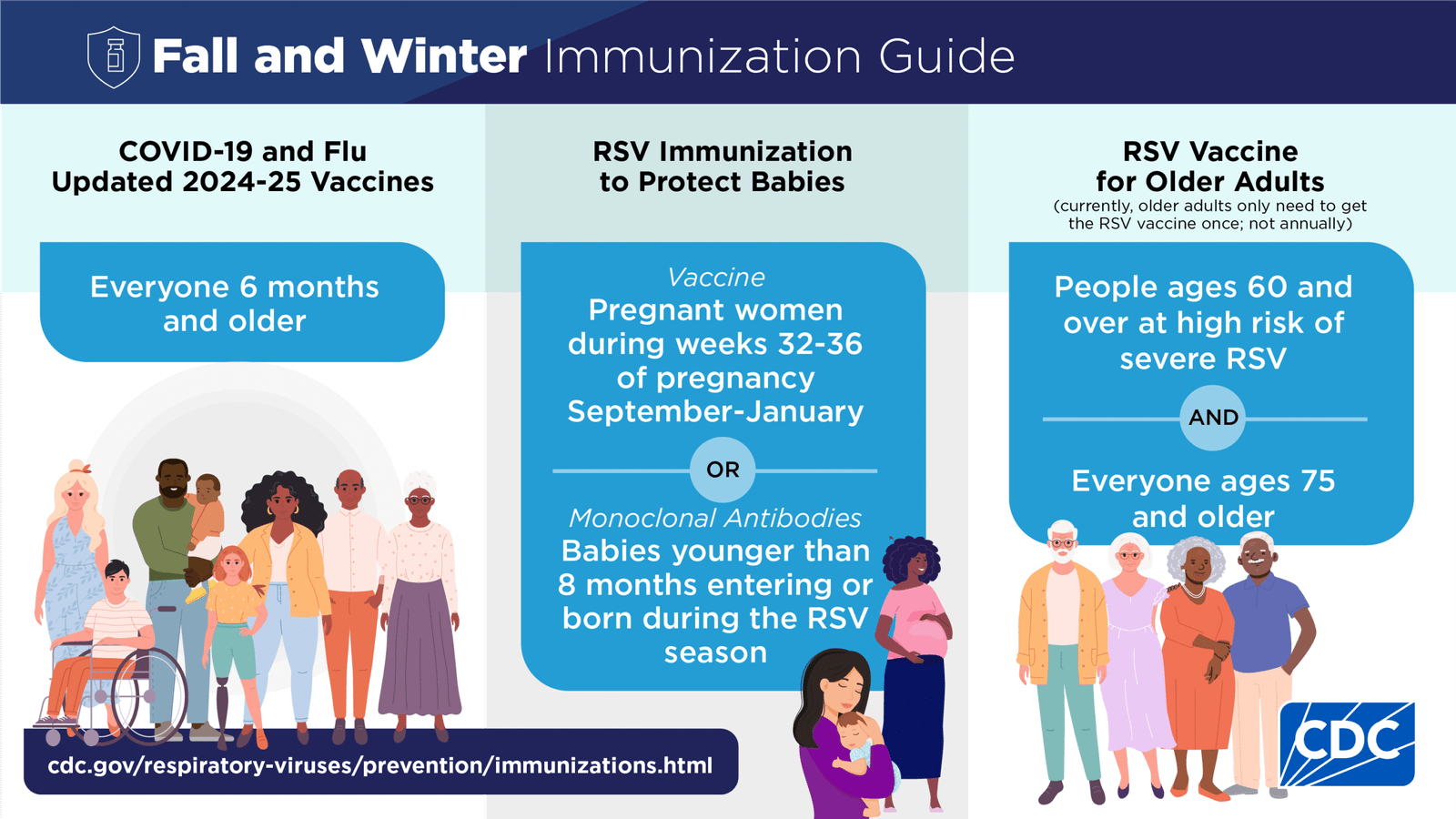
- RSV Vaccines for Older Adults: In 2023, the FDA approved the first RSV vaccines for adults 60 and older. These vaccines, such as Arexvy and Abrysvo, have shown high efficacy in preventing lower respiratory tract disease caused by RSV. This is a monumental step forward in protecting a demographic that suffers thousands of preventable hospitalizations and deaths each year.
- RSV Vaccine for Pregnant People: A vaccine (Abrysvo) is now available for pregnant individuals (32-36 weeks gestation) to protect their newborns. When administered during pregnancy, the mother produces antibodies that are transferred to the baby, providing critical protection during the first vulnerable months of life.
- Monoclonal Antibodies for Infants: For the youngest babies, a new long-acting monoclonal antibody product called Beyfortus (nirsevimab) is available. This is not a vaccine; it is a single injection that provides ready-made antibodies directly to the infant, offering immediate protection throughout the RSV season. It is recommended for all infants under 8 months and for high-risk children up to 19 months.
3. Staying Current with COVID-19
The SARS-CoV-2 virus continues to evolve, and our immunity from previous vaccinations and infections wanes over time.
- Updated Boosters: The COVID-19 vaccines have been updated to target newer variants, much like the annual flu shot. Staying “up to date” now means receiving the most recent booster recommended for your age group and health status, typically in the fall, to align with anticipated winter surges.
The Power of Layered Protection: Your Personal Defense Strategy
Vaccines are our most powerful weapon, but they are not a suit of armor. A comprehensive defense strategy relies on multiple, overlapping layers of protection. Think of it as a “Swiss Cheese Model” of pandemic defense—each layer has holes, but when stacked together, they block the threat.
Layer 1: Vaccination and Prophylaxis
This is your foundational layer. Consult with your healthcare provider to create a personalized vaccination plan.
- Get your annual flu shot.
- If you are 60 or older, discuss the RSV vaccine with your doctor.
- If you are pregnant, ask about the maternal RSV vaccine.
- Ensure your infant receives protection via the maternal vaccine or the monoclonal antibody injection.
- Stay current with updated COVID-19 boosters.
Layer 2: Hygiene and Environmental Controls
- Hand Hygiene: Wash hands frequently with soap and water for at least 20 seconds, or use an alcohol-based hand sanitizer. This is especially effective against flu and RSV, which can live on surfaces.
- Surface Disinfection: Regularly clean high-touch surfaces like doorknobs, light switches, and mobile devices.
- Ventilation and Filtration: Improve indoor air quality. Open windows when possible, use HEPA air purifiers, and ensure HVAC systems are well-maintained. This is critically important for mitigating the airborne transmission of COVID-19.
Layer 3: Masks and Respiratory Etiquette
- Strategic Masking: Wearing a high-quality, well-fitting mask (N95, KN95, or KF94) in crowded indoor public spaces, especially during periods of high community transmission, provides excellent protection against all three viruses.
- Cover Your Cough: Cough or sneeze into a tissue or your elbow, not your hands.
Layer 4: Social Behavior and Awareness
- Stay Home When Sick: This is one of the most unselfish and effective things you can do. If you have symptoms, even mild ones, avoid close contact with others to prevent spreading illness.
- Test Early: If you develop symptoms, use rapid antigen tests for COVID-19. While rapid tests for flu and RSV are becoming more available for home use, consulting a healthcare provider for testing can confirm a diagnosis, which is important for accessing antiviral treatments.
- Avoid Touching Your Face: The mucous membranes of your eyes, nose, and mouth are prime entry points for viruses.
Read more: The Anxious American: A Practical Guide to Managing Anxiety in an Age of Uncertainty
If You Get Sick: Navigating Diagnosis and Treatment
Even with the best defenses, breakthrough infections can happen. Knowing what to do is crucial.
- Seek Testing: Don’t assume it’s “just a cold.” Contact your healthcare provider. Knowing which virus you have is important because:
- Influenza: Prescription antiviral drugs like oseltamivir (Tamiflu) or baloxavir (Xofluza) can be highly effective if started within the first 48 hours of symptoms. They can reduce the duration and severity of the illness.
- COVID-19: Prescription antiviral treatments like Paxlovid (nirmatrelvir and ritonavir) and Remdesivir are available for those at high risk of severe disease. They are most effective when started early.
- RSV: Currently, there are no specific antiviral treatments for RSV approved for the general population. Care is primarily “supportive,” focusing on managing symptoms (e.g., fever reducers, hydration, and in severe cases, supplemental oxygen). However, a confirmed diagnosis helps with infection control and monitoring for complications.
- Supportive Care: For all viral illnesses, rest, hydration, and over-the-counter medications to manage fever and aches are the mainstays of recovery.
- Know Your Emergency Warning Signs: Seek immediate medical attention for anyone experiencing:
- Difficulty breathing or shortness of breath
- Persistent pain or pressure in the chest
- New confusion or inability to arouse
- Bluish lips or face
- Severe dehydration
Conclusion: A Collective Responsibility in a New Era
The era of the tripledemic has fundamentally changed our relationship with respiratory viruses. We can no longer afford a singular, reactive approach. The path forward requires a paradigm shift towards year-round vigilance and a multi-pronged strategy that leverages our modern medical toolkit alongside timeless public health practices.
This is not just about individual health; it is a collective responsibility. By getting vaccinated, staying home when sick, and adopting simple protective habits, we do more than just protect ourselves. We protect our newborns, our elderly grandparents, our immunocompromised neighbors, and our frontline healthcare workers. We help prevent our hospitals from being overwhelmed.
The challenge is significant, but so too is our capacity for adaptation and resilience. By moving beyond the flu shot and embracing a comprehensive shield of protection, we can confidently face the threat of the tripledemic and safeguard our health and the health of our communities for seasons to come.
Read more: Beyond Burnout: Understanding and Managing Chronic Stress in the American Workplace
Frequently Asked Questions (FAQ)
Q1: Can I get the flu shot, COVID-19 booster, and RSV vaccine at the same time?
A: Yes, for most adults, the CDC has stated that it is safe and effective to administer the flu shot, COVID-19 booster, and RSV vaccine during the same visit. This is a major convenience that helps ensure you are fully protected. However, it is always best to discuss this with your healthcare provider, who can make a recommendation based on your specific health profile and any potential for increased side effects (like a sore arm or fatigue).
Q2: I’m healthy and in my 30s/40s. Do I really need to worry about RSV?
A: While severe RSV is less common in healthy young adults, it is far from harmless. In this age group, it typically causes a bad cold, but it can still lead to missed work and, importantly, you can unknowingly transmit the virus to a vulnerable person—an infant, an older relative, or an immunocompromised colleague. Your protection helps break the chain of transmission.
Q3: How do I know if I have the flu, COVID-19, or RSV? The symptoms seem so similar.
A: You are correct; symptoms overlap significantly, making it difficult to self-diagnose. The only way to know for sure is to get tested. Many clinics and hospitals offer multiplex tests that can check for all three viruses from a single nasal swab. Knowing which virus you have is crucial for accessing the right treatment (like antivirals for flu or COVID-19) and for taking appropriate isolation precautions.
Q4: Are the new RSV vaccines and monoclonal antibodies safe?
A: Like all medical products approved by the FDA, the new RSV interventions have undergone rigorous clinical trials involving tens of thousands of participants to evaluate their safety and efficacy. The data showed that the benefits of preventing severe, potentially life-threatening RSV disease far outweigh the known and potential risks. As with any vaccine or medication, there can be side effects, such as pain at the injection site, fatigue, or headache. Discuss any specific concerns with your doctor.
Q5: What is the single most important thing I can do to protect myself and my family?
A: If we must choose one, it would be vaccination. It remains our most powerful and proven tool for preventing severe illness, hospitalization, and death. However, the true “most important” strategy is to adopt a layered approach. Vaccination + good hygiene + staying home when sick + improving indoor air quality creates a synergistic defense that is far more robust than any single intervention alone.
Q6: Has COVID-19 become “just like the flu”?
A: No, not exactly. While both are serious respiratory illnesses, COVID-19 has distinct characteristics. It appears to be more transmissible than seasonal flu in many contexts. It also carries a significant risk of Long COVID, a condition involving long-term symptoms (like fatigue, brain fog, and heart issues) that can persist for months or years after the initial infection, even in mild cases. This unique and poorly understood aspect of COVID-19 means it should continue to be treated as a serious and distinct public health threat.