For decades, the “hustle culture” has been glorified in the American workplace. We’ve been sold a story that success is born from 80-hour workweeks, sleeping under our desks, and an always-on mentality. We wear burnout as a badge of honor, a symbol of our dedication and ambition. But a quiet, yet powerful, revolution is underway. A collective awakening to the truth: the hustle is breaking us.
Burnout is not a sign of weakness; it is the body and mind’s final, desperate protest against a system that demands more than we can sustainably give. It’s a state of emotional, physical, and mental exhaustion caused by excessive and prolonged stress. It saps your energy, reduces your productivity, and leaves you feeling increasingly helpless, hopeless, cynical, and resentful.
This article is not just another self-help listicle. It is a practical, actionable guide for the modern US worker—whether you’re remote, hybrid, or in-office—to understand burnout, reclaim your boundaries, and protect your most valuable asset: your well-being. We will move beyond symptom management and address the root causes embedded in our work culture, empowering you to build a sustainable career without sacrificing your peace.
Part 1: Understanding the Beast – What Burnout Really Is
Before we can fight burnout, we must recognize it. Many of us are so deep in its grip that we mistake its symptoms for a normal state of being.
Beyond “Just Being Tired”: The Clinical Definition
The World Health Organization (WHO) officially classified burnout in 2019 as an “occupational phenomenon” (not a medical condition), characterized by three dimensions:
- Feelings of energy depletion or exhaustion: This isn’t just physical fatigue. It’s a deep, soul-level drain that a good night’s sleep can’t fix. You feel perpetually wiped out, even after a weekend.
- Increased mental distance from one’s job, or feelings of negativism or cynicism related to one’s job: You become detached, cynical, and irritable. Tasks you once found meaningful now feel pointless. You may dread Sundays not just because of Monday, but because of a profound sense of dread about your work itself.
- Reduced professional efficacy: This is a critical point. Burnout isn’t just about feeling bad; it impacts your performance. You struggle to concentrate, make more errors, and feel a pervasive sense of incompetence, despite evidence to the contrary.
The Hustle Culture Trap: How We Get Here
Hustle culture is the fertile ground in which burnout seeds are sown. It’s an ecosystem that prizes:
- Hustle Porn: The glorification of overwork, often shared on social media by “influencers” who boast about their 4 a.m. routines and relentless grind.
- The “I’m So Busy” Competition: Where busyness is conflated with importance and status.
- Blurred Lines: The erosion of the boundary between work and home, supercharged by remote work and smartphones.
- Toxic Positivity: The dismissal of valid concerns and struggles with platitudes like, “Just stay positive!” or “You can sleep when you’re dead!”
This culture creates a psychological trap. We internalize the belief that our worth is tied to our productivity. To stop hustling feels like admitting failure. This is the engine that drives the burnout cycle.
Part 2: The Boundary Blueprint – Your Foundation for Peace
If hustle culture is the disease, boundaries are the vaccine. A boundary is not a wall; it is a gate. It’s a conscious decision about what you allow into your life, your time, and your mental space. It’s the practice of defining where you end and your job begins.
The Digital Divide: Reclaiming Your Time After Hours
The “always-on” expectation is one of the biggest contributors to modern burnout. Here’s how to fight back:
- Silence is Golden: Turn off work notifications on your phone after hours. This includes email, Slack, Teams, and project management apps. If this feels too drastic, use “Do Not Disturb” modes and schedule focus times.
- The Two-Device Strategy (If Possible): Have a work computer and a work phone. Power them down and put them away in a drawer at the end of the workday. The physical act of closing the laptop is a powerful psychological signal that work is over.
- Schedule Your Send Times: Most email clients allow you to schedule messages to send during work hours. Use this feature for emails you write after hours. This protects your peace and, just as importantly, avoids setting the “always-on” expectation for your colleagues.
The Art of the “No” (and the “Yes, And”)
Saying “no” is a superpower in a culture that demands constant acquiescence. It’s not about being difficult; it’s about being strategic with your energy.
- The “Not Right Now” Pivot: Instead of a flat “no,” which can feel confrontational, try, “I can’t take that on right now with my current project load, but I can look at it next week,” or “To give this the attention it deserves, I’d need to deprioritize [X project]. Which should take precedence?”
- Clarify Your Core Responsibilities: When asked to take on something new, refer back to your job description and current goals. Ask, “How does this align with my primary objectives for this quarter?” This frames the conversation around strategic priorities, not personal refusal.
- The “Yes, And” Alternative: This technique, borrowed from improv, acknowledges the request and adds a condition. “Yes, I can lead that project, and I’ll need support from a junior team member to handle my current reporting duties.” This shows willingness while protecting your capacity.
Mastering Your Time: Proactive Control of Your Calendar
Your calendar should be a tool you control, not a tyrant that controls you.
- Time-Blocking for Deep Work: Schedule blocks of “Focus Time” or “Deep Work” in your calendar for your most important tasks. Treat these blocks as immovable meetings with yourself.
- Defend Your Lunch Break: A 30- or 60-minute block labeled “Lunch & Recharge” should be non-negotiable. Step away from your desk. Do not work through it.
- Buffer Blocks: Schedule 15-minute buffers between meetings. This prevents back-to-back call fatigue, gives you time to process notes, and allows for a mental reset. It also makes your day feel less frantic.
The Physical and Mental Exit Ritual
Especially for remote workers, the line between “work” and “home” is physically nonexistent. You must create it.
- The Commute Replacement: Develop a 10-15 minute ritual that marks the end of your workday. This could be a short walk around the block, a few minutes of stretching, listening to a specific podcast or playlist, or making a cup of tea. This ritual tells your brain, “The work part of the day is over. The home part is beginning.”
- Change Your Clothes: The simple act of changing out of your “work clothes” (even if they’re just comfy loungewear) into something else can be a powerful psychological signal.
- Shut the Door: If you have a dedicated office, shut the door at the end of the day. Literally and symbolically close off that space.
Part 3: Beyond Boundaries – Cultivating a Burnout-Resistant Life
Boundaries are your defensive line. But to truly thrive, you need an offensive strategy—a life outside of work that is so rich and fulfilling that a job can only ever be one part of your identity.
Reclaiming Your Identity: You Are Not Your Job
When someone asks, “Tell me about yourself,” is your first answer your job title? If so, it’s time to diversify your sense of self.
- Revive Old Hobbies or Find New Ones: What did you love to do before your career consumed you? Painting, hiking, playing an instrument, woodworking? Re-engage with it.
- Invest in Relationships: Prioritize time with family and friends who have nothing to do with your workplace. These relationships are a reminder of who you are outside of your professional role.
- Volunteer: Contributing to a cause you care about can provide a profound sense of purpose and perspective that work often cannot.
The Non-Negotiables: Sleep, Movement, and Nutrition
You cannot out-supplement a lifestyle of poor sleep, sedentary behavior, and bad nutrition. These are the foundational pillars of mental resilience.
- Sleep: Aim for 7-9 hours of quality sleep per night. Protect your sleep like you would a critical business meeting. A dark, cool room and a consistent bedtime routine are non-negotiable.
- Movement: You don’t need to train for a marathon. A daily 30-minute walk, a yoga session, or a bike ride can dramatically reduce stress hormones and improve mood. The goal is to move your body in a way that feels good, not punishing.
- Nutrition: Fuel your body with whole foods. When we’re stressed, we crave sugar and processed carbs, which lead to energy crashes and worsen anxiety. Prioritize protein, healthy fats, and fiber to maintain stable energy and focus.
Mindfulness as an Anchor
Mindfulness is the practice of being present in the moment without judgment. It is the antidote to the frantic, anxious “monkey mind” that burnout fosters.
- Start Small: You don’t need to meditate for an hour. Start with 5 minutes a day using an app like Calm or Headspace. Focus on your breath.
- Practice Mindful Moments: Throughout the day, pause. Feel your feet on the floor. Notice five things you can see, four you can touch, three you can hear, two you can smell, and one you can taste. This simple exercise grounds you instantly.
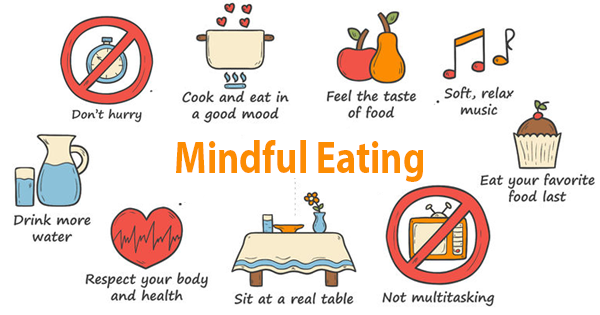
- Mindful Eating, Walking, and Listening: Bring your full attention to everyday activities instead of doing them on autopilot while your mind races about work.
Read more: Beyond Genetics: Why Heart Disease is Still America’s Leading Killer and How to Change Your Fate
Part 4: When It’s Systemic – Navigating a Toxic Work Environment
Your personal boundaries can only protect you so much if you’re in a fundamentally toxic work environment. Recognizing this is crucial.
Signs of a Systemic Problem:
- Chronic Understaffing: The company consistently operates with skeleton crews, making sustainable work impossible.
- Poor Leadership: Managers who micromanage, take credit for your work, fail to provide clarity, or dismiss concerns about workload.
- A Culture of Fear: Where employees are afraid to take time off, say no, or make mistakes.
- Lack of Recognition: Your efforts are never acknowledged, and feedback is only ever negative.
Your Action Plan in a Toxic System:
- Document Everything: Keep a record of your assigned tasks, hours worked, requests for support, and any concerning interactions. This creates a paper trail.
- Use Formal Channels (Cautiously): If you have an HR department, you can raise your concerns framed around productivity and sustainability (e.g., “I am concerned that the current workload is unsustainable and is leading to errors. Can we discuss resource allocation?”). Understand that HR’s primary role is to protect the company.
- Build Your Exit Strategy: Sometimes, the healthiest boundary you can set is the one between you and a toxic employer. Update your resume, quietly network, and begin your job search. View this not as a failure, but as a strategic move to protect your long-term health.
Part 5: A Manager’s Responsibility – Leading Without Burning Out Your Team
For those in leadership roles, the responsibility is twofold: protect your own peace and create an environment where your team can thrive.
- Model the Behavior: You cannot preach work-life balance while sending emails at 10 p.m. Your team will follow your actions, not your words. Take your PTO, respect your own boundaries, and talk openly about your own need for recharge.
- Respect Digital Boundaries: Do not message your team after hours unless it is a true, fire-drill emergency. If you must, preface it with, “I’m sending this for tomorrow, no need to respond now.”
- Focus on Outcomes, Not Activity: Judge your team by the quality of their work and the results they achieve, not by how many hours they are logged on or how quickly they respond to an email.
- Have Candid Conversations: Check in with your team members regularly. Ask questions like, “How is your workload feeling?” and “What could we take off your plate to make you more effective?” Listen, and then act on what you hear.
Conclusion: Your Peace is the Priority
Beating burnout in a hustle culture is not a one-time event; it is an ongoing practice. It requires a fundamental shift in mindset—from believing your worth is your output to knowing your worth is inherent. It’s about moving from a life of reaction to a life of intention.
The journey begins with a single, quiet decision: to prioritize your peace. To set a boundary, to say a strategic “no,” to take a full lunch break, to close the laptop at a reasonable hour. These small acts of rebellion against a broken system are, in fact, profound acts of self-preservation.
You were not put on this earth only to work. You are here to live, to love, to create, and to experience joy. A well-managed career can fund and enable that life, but it must never be allowed to consume it. Draw your line in the sand. Protect your peace. Your future, well-rested, and joyful self will thank you for it.
Read more: The American Diet Dilemma: How Ultra-Processed Foods are Fueling the Type 2 Diabetes Epidemic
Frequently Asked Questions (FAQ)
Q1: I feel guilty when I’m not working. How do I get over this?
This guilt is a direct product of hustle culture conditioning. Start by recognizing it as a feeling, not a fact. Challenge the underlying thought: “If I’m not working, I am lazy/unproductive/wasting time.” Replace it with: “Rest is a requirement for sustainable performance. By recharging, I am ensuring I can bring my best self to my work and my life.” The guilt will fade with consistent practice of setting boundaries and experiencing the positive results.
Q2: My boss and company truly expect 24/7 availability. How can I set boundaries without jeopardizing my job?
This requires a strategic, business-focused approach. Instead of framing it as a personal need, frame it as a sustainability and quality issue.
- Schedule a conversation: “I want to ensure I’m delivering the highest quality work on my key projects. To do that, I need to ensure I’m fully recharged. Here’s my plan to protect my focus time…”
- Propose a solution: “I will be logging off at 6 PM to ensure I can tackle the next day’s priorities with fresh energy. For true emergencies, here is my number. I trust the team will use this judiciously.”
- Document your output: Make sure your excellent work is highly visible. When your performance is undeniable, it’s harder for a manager to argue with your methods.
Q3: What’s the difference between burnout and just ordinary stress?
Stress is characterized by feeling overwhelmed and pressured, but there is a sense that if you can just get everything under control, you’ll be okay. Burnout, on the other hand, is a state of emptiness. You have nothing left to give. Mentally, stress makes you feel anxious; burnout makes you feel detached, hopeless, and numb. With stress, you can still imagine feeling better if you can just catch up. With burnout, it’s hard to imagine feeling better at all.
Q4: I think I’m already burned out. What should be my first step?
Your first and most important step is to acknowledge it and seek professional support. Burnout is a serious state of depletion that is difficult to climb out of alone.
- Talk to a Doctor: Rule out any underlying medical conditions (like thyroid issues or vitamin deficiencies) that can mimic burnout symptoms.
- Find a Therapist: A mental health professional can provide you with evidence-based tools (like CBT) to manage the negative thought patterns, exhaustion, and emotional toll of burnout.
- Take Time Off, If Possible: Use a sick day or a personal day for a “mental health reset.” Do not use this time to catch up on chores. Truly rest—sleep, go for a gentle walk, disconnect from screens.
- Start Small: Pick one tiny boundary from this article to implement. Maybe it’s shutting down your computer at a set time or taking a 20-minute walk at lunch. A small win can create momentum.
Q5: Are there any legal protections for workers experiencing burnout in the US?
In the United States, burnout itself is not a legally protected condition. However, if burnout is a result of, or is exacerbating, a diagnosed medical condition such as generalized anxiety disorder, major depressive disorder, or another condition, you may be protected under the Americans with Disabilities Act (ADA). This could entitle you to “reasonable accommodations” from your employer, such as a modified work schedule, a quiet workspace, or temporary leave. It is essential to speak with a healthcare provider and potentially an employment lawyer to understand your rights.
Q6: How can I support a colleague or employee I suspect is burning out?
Approach with empathy and without judgment.
- For a colleague: “I’ve noticed you’ve seemed really stretched thin lately. I just wanted to check in and see how you’re doing.” Listen more than you talk. Offer specific help: “Can I take that meeting for you?” or “Let me help you draft that email.”
- For a manager/leader: Have a private, caring conversation. “I’m concerned about your workload and well-being. What can I do to help lighten your load?” Encourage them to use their PTO and model healthy boundaries yourself. Most importantly, connect them to resources like your company’s Employee Assistance Program (EAP).