Introduction: A National Emergency on a Plate
In the United States, a slow-motion public health crisis is unfolding, one that is intimately linked to the contents of our shopping carts and kitchen pantries. Diabetes, specifically Type 2 diabetes, has reached epidemic proportions, affecting over 38 million Americans, with an additional 98 million adults living with prediabetes. The human cost is staggering—leading to heart disease, stroke, kidney failure, blindness, and lower-limb amputations. The financial burden is equally crushing, with diagnosed diabetes accounting for over $400 billion in annual medical costs and lost productivity.
For decades, the conversation around diabetes prevention focused on simplistic mantras: “eat less sugar and exercise more.” While not incorrect, this advice fails to address the primary engine of the crisis: the fundamental shift in the American food supply toward ultra-processed foods (UPFs).
This article will dissect the American diet dilemma, moving beyond the outdated notion of “sugar” as the sole villain to explore how the industrial engineering of our food is systematically disrupting our metabolism and driving the diabetes epidemic. We will define what ultra-processed foods are, explain the precise biological mechanisms through which they induce insulin resistance, and provide a clear, evidence-based roadmap for reclaiming our metabolic health.
Part 1: Understanding the Scale of the Problem – Diabetes and the American Diet
1.1 The Diabetes Spectrum: More Than Just “Sugar”
To understand the role of diet, we must first understand the disease.
- Type 1 Diabetes: An autoimmune condition where the body attacks its own insulin-producing beta cells in the pancreas. It is not caused by diet or lifestyle.
- Prediabetes: A critical warning stage where blood sugar levels are higher than normal but not yet high enough for a Type 2 diagnosis. An estimated 80% of people with prediabetes are unaware they have it.
- Type 2 Diabetes: A chronic metabolic condition characterized by insulin resistance and eventual beta-cell dysfunction. In insulin resistance, the body’s cells do not respond properly to insulin, a hormone that acts like a key to allow glucose (sugar) from the bloodstream into cells for energy. The pancreas compensates by producing more insulin, but over time, it cannot keep up, leading to chronically high blood sugar.
1.2 The American Dietary Transformation
The rise of Type 2 diabetes maps almost perfectly onto the rise of industrial food processing in the latter half of the 20th century. Today, ultra-processed foods constitute over 60% of the total calories consumed by American adults and nearly 70% of the calories consumed by American children.
This is not a coincidence. We have transitioned from a diet of whole and minimally processed foods to one dominated by products designed in laboratories for maximum palatability, shelf-life, and profit—often at the expense of our health.
Part 2: Deconstructing the Dilemma – What Are Ultra-Processed Foods?
The NOVA food classification system, developed by Brazilian researchers, is a crucial tool for understanding our modern food environment. It categorizes foods into four groups based on the extent and purpose of processing:
- Unprocessed or Minimally Processed Foods: Whole foods like fruits, vegetables, nuts, eggs, meat, and milk. Processing may include cleaning, pasteurizing, freezing, or fermenting, but without adding substances.
- Processed Culinary Ingredients: Oils, butter, sugar, and salt. These are used to prepare and cook Group 1 foods.
- Processed Foods: Simple combinations of Group 1 and Group 2 foods, like canned vegetables, salted nuts, freshly baked bread, and cheese.
- Ultra-Processed Foods (UPFs): This is the category of concern.
Read more: How to Protect Yourself from Seasonal Flu and RSV?
2.1 Identifying the Ultra-Processed Food (UPF)
UPFs are not merely modified foods; they are industrial formulations typically containing five or more ingredients that are not commonly used in home cooking. Key markers include:
- Industrial Substances: High-fructose corn syrup, hydrogenated oils, protein isolates, maltodextrin, and modified starches.
- Additives for Hyper-Palatability: Artificial flavors, colors, emulsifiers, sweeteners, and flavor enhancers (e.g., monosodium glutamate).
- Cosmetic Additives: To improve texture and appearance, giving a false impression of quality.
Common examples of UPFs include:
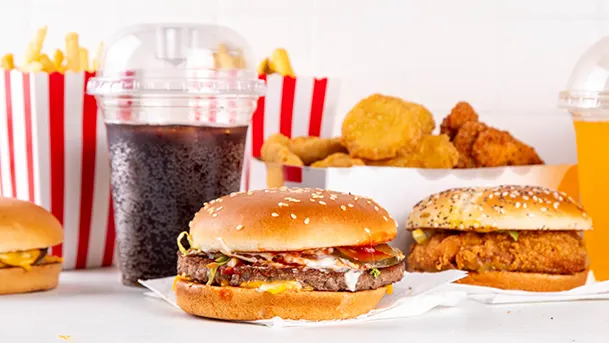
- Sugar-sweetened beverages (sodas, energy drinks)
- Mass-produced packaged snacks (chips, cookies, candy)
- Sweetened breakfast cereals
- Instant noodles and soups
- Reconstituted meat products (hot dogs, chicken nuggets)
- Frozen ready-meals
- Most packaged breads containing emulsifiers and preservatives
The purpose of UPFs is to create highly profitable, convenient, and hyper-palatable products that displace healthier, whole foods.
Part 3: The Biological Betrayal – How UPFs Drive Insulin Resistance
The danger of UPFs is not just in their individual nutrients but in their synergistic, multi-pronged attack on our metabolic system. They disrupt our biology in several interconnected ways.
3.1 The Nutrient Stripping and Fiber Void
Whole foods come packaged with a matrix of fiber, vitamins, minerals, and phytonutrients that slow digestion and regulate metabolism.
- The Fiber Factor: UPFs are notoriously low in fiber. Fiber, particularly soluble fiber, forms a gel in the gut that slows the absorption of sugars into the bloodstream, preventing the sharp blood sugar and insulin spikes that lead to insulin resistance over time. Without fiber, glucose from UPFs floods the bloodstream rapidly.
- Loss of Micronutrients: The refining process strips away essential nutrients like magnesium and chromium, which play critical roles in insulin signaling and glucose metabolism.
3.2 The Liquid Sugar Onslaught
Sugar-sweetened beverages are arguably the most dangerous UPFs in the context of diabetes.
- Metabolic Mayhem: Liquid calories, particularly from high-fructose corn syrup, are processed differently by the body. They are absorbed with astonishing speed, causing a tsunami of glucose in the blood and a correspondingly massive insulin release.
- Fructose and the Liver: The fructose component is primarily metabolized in the liver, where it drives de novo lipogenesis (the creation of new fat). This promotes fatty liver disease, which is strongly linked to insulin resistance. Unlike glucose, fructose does not stimulate insulin secretion or leptin (the “satiety hormone”), meaning it doesn’t trigger feelings of fullness.
3.3 The Fat and Carbohydrate “Hyper-Reward” Combination
UPFs are expertly engineered to have a “bliss point”—a specific combination of fat, sugar, and salt that is incredibly pleasurable to the brain.
- Hijacking the Brain’s Reward System: This hyper-palatable combination can override the body’s natural satiety signals, leading to addictive-like eating behaviors. Studies using functional MRI scans show that UPFs light up the brain’s reward centers (like the striatum) similarly to addictive drugs.
- Loss of Portion Control: It is remarkably easy to overconsume hundreds or even thousands of calories from UPFs without feeling truly full or satisfied, leading to weight gain and fat accumulation, particularly visceral fat, which is highly metabolically active and pro-inflammatory.
3.4 The Destructive Fats
UPFs are the primary source of harmful fats in the American diet.
- Industrial Seed Oils: High in pro-inflammatory omega-6 fatty acids (soybean, corn, canola oil).
- Trans Fats: While largely banned, their effects linger, and some products may still contain trace amounts. Trans fats are notorious for increasing inflammation, driving insulin resistance, and raising the risk of heart disease.
3.5 The Gut Microbiome Connection
Emerging research points to a profound link between UPFs, gut health, and metabolism.
- Emulsifiers and Gut Lining: Common UPF additives like polysorbate 80 and carboxymethylcellulose may damage the protective mucus layer of the gut and increase intestinal permeability (“leaky gut”). This can allow bacterial fragments into the bloodstream, triggering chronic, low-grade inflammation—a key driver of insulin resistance.
- Dysbiosis: A diet low in fiber (which feeds beneficial gut bacteria) and high in artificial ingredients can lead to an imbalance in the gut microbiota (dysbiosis), which is independently associated with obesity and Type 2 diabetes.
Part 4: Breaking Free – A Practical Guide to Dismantling the UPF Diet
Reversing this trend requires a conscious, strategic shift in how we source and consume food. The goal is not perfection, but a significant reduction in UPF consumption.
4.1 The Gold Standard: Shop the Perimeter
The simplest rule for avoiding UPFs is to spend most of your grocery shopping time in the store’s perimeter, where you typically find whole foods: fresh produce, meat, fish, and dairy. The inner aisles are where most UPFs reside.
4.2 Become a Label Detective
When you do buy packaged foods, read the ingredient list.
- The Five-Ingredient Guideline: Be wary of products with long lists of ingredients, especially those you don’t recognize or wouldn’t use in your own kitchen.
- Spot the Red Flags: Look out for and avoid products containing:
- Industrial Sweeteners: High-fructose corn syrup, maltodextrin, dextrose, fruit juice concentrate.
- Artificial Additives: Artificial flavors/colors, artificial sweeteners (aspartame, sucralose).
- Industrial Fats: Hydrogenated or partially hydrogenated oils, interesterified fats.
- Emulsifiers and Stabilizers: Polysorbate 80, carboxymethylcellulose, carrageenan.
4.3 Prioritize Protein and Fiber at Every Meal
Building meals around a foundation of protein (lean meat, fish, eggs, legumes, tofu) and fiber (vegetables, fruits, whole grains) is the most effective strategy for stabilizing blood sugar and naturally curbing cravings for UPFs. These nutrients promote satiety and provide a slow, steady release of energy.
4.4 Hydrate Intelligently
Make water your primary beverage. For flavor, infuse it with fruits and herbs. Eliminate or drastically reduce sugar-sweetened beverages, including soda, sweet tea, and most commercial fruit juices.
4.5 Relearn the Art of Cooking
The most powerful tool against the UPF industry is your own kitchen. Cooking at home, even simple meals, gives you complete control over the ingredients and allows you to reconnect with real food. Batch cooking on weekends can make healthy eating convenient during a busy week.
4.6 The SNAP Policy Consideration
It is important to acknowledge that UPFs are often cheaper, more accessible, and have a longer shelf life than fresh, whole foods. This creates a significant disparity, disproportionately affecting low-income communities and contributing to higher rates of diabetes among these populations. Addressing this requires systemic and policy-level changes to make healthy food the accessible and affordable choice for all Americans.
Conclusion: Reclaiming Our Metabolic Destiny
The American diet dilemma is a story of how industrial innovation, corporate profit, and biological vulnerability have collided to create a devastating public health crisis. Ultra-processed foods are not a neutral convenience; they are biologically disruptive products that have been engineered to keep us coming back for more, all while silently dismantling our metabolic health.
The path out of the diabetes epidemic does not lie in a new pharmaceutical miracle drug, though medication is vital for those who need it. The most powerful and sustainable solution lies in a return to a more traditional way of eating—centered on whole, minimally processed foods that our bodies recognize and know how to metabolize effectively.
By understanding the mechanisms of harm, becoming vigilant about the food we buy, and reclaiming the simple act of cooking, we can individually and collectively reverse this trend. The choice on your plate is not just about taste or convenience; it is a decisive vote for your metabolic future.
Frequently Asked Questions (FAQ)
Q1: Are all processed foods bad for me?
No. This is a critical distinction. The NOVA classification helps us here. Minimally processed foods like frozen vegetables, canned beans (no salt added), plain yogurt, and whole-grain pasta are convenient and nutritious. The primary concern is ultra-processed foods—the industrial formulations designed to replace real food.
Q2: I have a sweet tooth. What are the best alternatives to sugary UPFs?
Satisfy cravings with whole fruits, which contain natural sugar along with fiber, water, and nutrients that modulate its absorption. Options like berries with plain Greek yogurt, an apple with nut butter, or a square of dark chocolate (70%+ cocoa) can be satisfying alternatives. The goal is to retrain your palate to appreciate less intense sweetness over time.
Q3: What about “diet” or “zero-sugar” sodas and snacks?
Proceed with caution. While they may be calorie-free, artificial sweeteners (e.g., aspartame, sucralose) remain controversial. Some studies suggest they can perpetuate sugar cravings, alter gut microbiota, and may still trigger an insulin response through cephalic phase insulin release. The healthiest choice is to reduce your overall desire for intense sweetness.
Q4: I’m busy and on a budget. How can I possibly avoid UPFs?
This is a real challenge, but small changes make a big difference.
- Plan: Spend 30 minutes on the weekend planning a few simple meals.
- Batch Cook: Make large portions of staples like brown rice, quinoa, or roasted vegetables to use throughout the week.
- Smart Convenience: Opt for “better” conveniences—frozen vegetables, pre-cooked grilled chicken, canned lentils—which are less processed than a frozen pizza or instant noodles.
- Prioritize: While fresh produce can be expensive, staples like beans, lentils, oats, and eggs are affordable, nutrient-dense foundations for meals.
Q5: If I’m diagnosed with prediabetes or Type 2 diabetes, can changing my diet really reverse it?
Yes, for many people. The concept of “reversal” (putting the disease into remission) is now well-established. For those with prediabetes or recently diagnosed Type 2 diabetes, significant and sustained lifestyle changes—primarily a whole-foods, low-UPF diet and regular physical activity—can normalize blood sugar levels, often without the need for medication. This should always be done under the supervision of a healthcare team, including your doctor and a Registered Dietitian.
Disclaimer: This article is for informational purposes only and is based on current scientific literature and guidelines from reputable sources such as the American Diabetes Association, the Centers for Disease Control and Prevention, and peer-reviewed journals. It is not intended to provide medical advice, diagnosis, or treatment. Always consult with a qualified healthcare professional, such as a physician or Registered Dietitian, before making any changes to your diet, lifestyle, or diabetes management plan. Never disregard professional medical advice or delay in seeking it because of something you have read in this article.
Read more: Measles Comeback: Are We Facing a Public Health Crisis in 2025?