If you’re one of the millions of Americans who experience recurring bloating, abdominal cramping, gas, and unpredictable bouts of diarrhea or constipation, you know the profound impact it can have on your quality of life. You may have felt dismissed, confused by conflicting online advice, or simply resigned to a life of discomfort. You are not alone. The condition you likely suspect—Irritable Bowel Syndrome (IBS)—is a national health concern of staggering proportions.
This article delves deep into the unique landscape of the “American Gut” to explore why IBS is so prevalent in the United States. More importantly, we will move beyond just identifying the problem and provide you with five concrete, science-backed strategies to reclaim control and find genuine relief.
Understanding IBS: More Than Just a “Nervous Stomach”
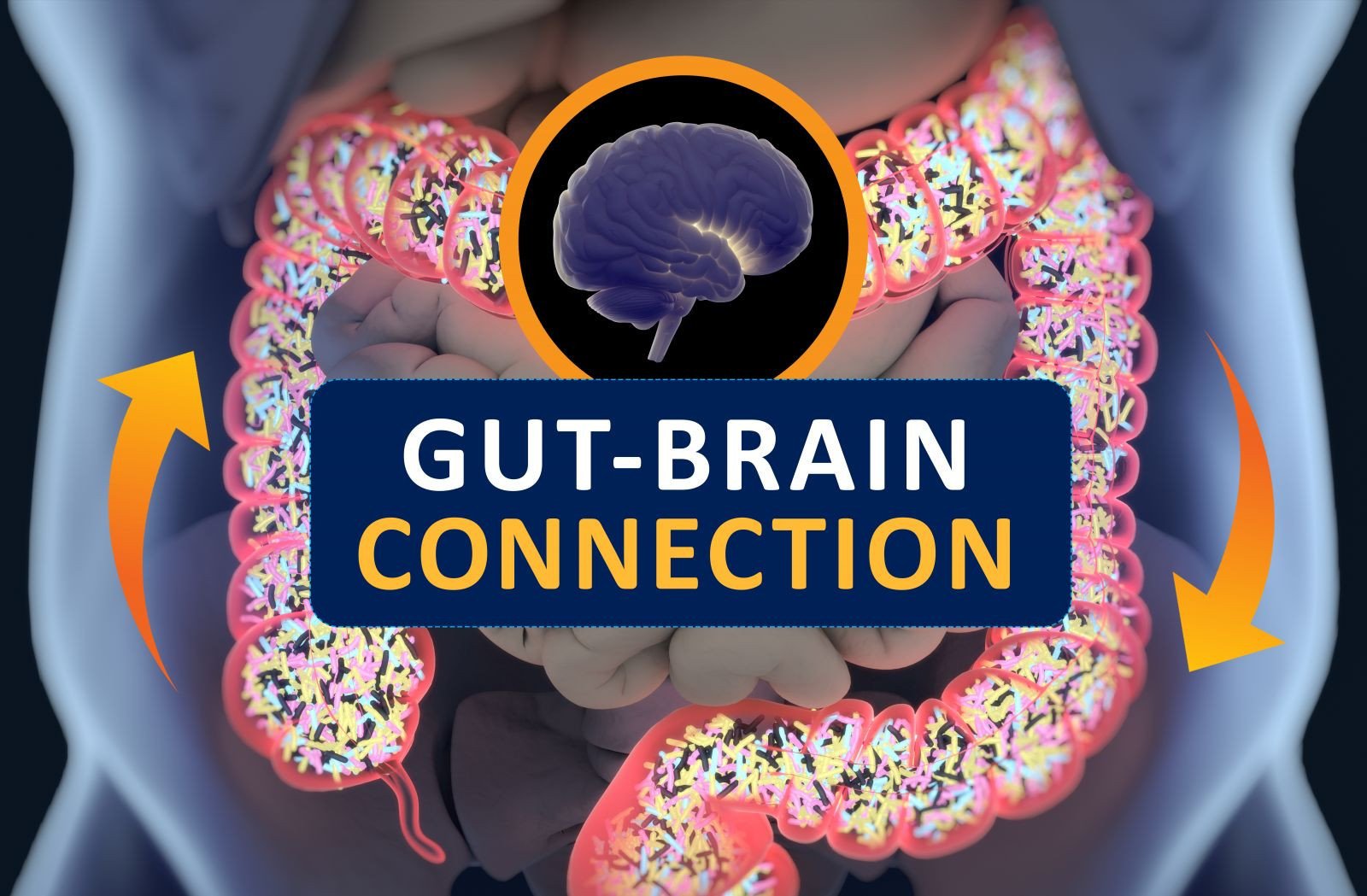
Irritable Bowel Syndrome is classified as a disorder of gut-brain interaction (DGBI). This means it’s a real, physiological condition characterized by a malfunction in the communication between your brain and your digestive system. It’s not “all in your head,” but the brain-gut axis is a central player.
The Rome IV criteria, the gold standard for diagnosing functional gastrointestinal disorders, defines IBS as recurrent abdominal pain, on average, at least one day per week in the last three months, associated with two or more of the following:
- Related to defecation.
- Associated with a change in frequency of stool.
- Associated with a change in the form (appearance) of stool.
IBS is typically sub-typed as:
- IBS-D (Diarrhea-predominant)
- IBS-C (Constipation-predominant)
- IBS-M (Mixed)
- IBS-U (Unclassified)
The American Epidemic: Unpacking Why IBS is So Pervasive in the USA
While IBS is a global issue, its high prevalence in the United States—affecting an estimated 10-15% of the population, or over 30 million people—points to a confluence of factors inherent to the modern American lifestyle.
1. The Standard American Diet (SAD): A Perfect Storm for Gut Dysbiosis
The acronym is unfortunately apt. The SAD is typically high in:
- Ultra-Processed Foods: These make up over 60% of the average American’s caloric intake. Packed with emulsifiers, artificial sweeteners, and preservatives, these substances can directly damage the gut lining and alter the gut microbiome.
- Low Dietary Fiber: Despite being one of the world’s largest producers of grains and vegetables, the average American consumes only about 15 grams of fiber per day, far below the recommended 25-38 grams. Fiber is the primary food for our beneficial gut bacteria. Without it, a diverse microbiome cannot thrive.
- High FODMAP Foods: Many common American staples are high in Fermentable Oligosaccharides, Disaccharides, Monosaccharides, and Polyols (FODMAPs). These are short-chain carbohydrates that are poorly absorbed in the small intestine and are rapidly fermented by gut bacteria, producing gas, bloating, and pain in sensitive individuals. Think: onions, garlic, wheat, certain fruits, and legumes.
- Artificial Sweeteners: Substances like sucralose, aspartame, and saccharin, ubiquitous in diet sodas and “sugar-free” products, are not inert. Studies show they can negatively shift gut microbiota composition towards a profile more associated with glucose intolerance.
2. The Chronic Stress Crisis
The American Psychological Association consistently reports that the United States is a stressed-out nation. From financial pressures and work-life balance to the 24/7 news cycle, chronic stress is a hallmark of modern American life. When you’re stressed, your body enters a “fight-or-flight” mode, diverting resources away from non-essential functions like digestion. This can:
- Increase gut permeability (“leaky gut”).
- Alter gut motility (leading to diarrhea or constipation).
- Heighten visceral hypersensitivity (making you feel pain and discomfort more acutely).
- Directly change the composition of your gut microbiota.
The gut-brain axis is a two-way street; just as a troubled gut can send signals to the brain, a troubled brain can send signals to the gut.
3. Overuse of Certain Medications
The US has one of the highest rates of pharmaceutical use in the world. Two classes of drugs are particularly relevant to gut health:
- Antibiotics: While life-saving, their overuse and misuse in human medicine and agriculture can decimate the diversity of the gut microbiome, wiping out beneficial bacteria and allowing harmful ones to flourish. It can take months or even years for the gut to recover from a single course of broad-spectrum antibiotics.
- Proton Pump Inhibitors (PPIs): Used for acid reflux, these drugs are widely prescribed. By drastically reducing stomach acid, they can alter the entire digestive environment, potentially leading to small intestinal bacterial overgrowth (SIBO), a condition that often overlaps with and mimics IBS.
4. Sedentary Lifestyles
With long commutes, desk jobs, and screen-based entertainment, physical inactivity is a major public health issue. Regular movement is crucial for healthy bowel function. It stimulates intestinal contractions (peristalsis), helps manage stress, and has been shown to independently improve the gut microbiome.
5. A Disjointed Healthcare System
The complexity and cost of the US healthcare system can be a barrier to receiving a proper diagnosis and integrated care. Many primary care physicians are overburdened, leading to a “quick-fix” prescription rather than a deep dive into diet and lifestyle factors. This often leaves patients to navigate their confusing symptoms alone, turning to the internet where misinformation is rampant.
5 Science-Backed Ways to Find Relief from IBS
Managing IBS is not about finding a single magic bullet but about building a personalized toolkit of strategies that address the root causes. The following five approaches are supported by robust clinical evidence.
Strategy 1: Master the Low FODMAP Diet (Under Guidance)
The Science: Developed by researchers at Monash University, the Low FODMAP diet is a two-phase elimination diet. It is the most effective dietary intervention for IBS, with studies showing it improves symptoms in 50-80% of people.
How to Implement It:
- Phase 1 – Elimination: For 2-6 weeks, you strictly avoid all high-FODMAP foods. This list is extensive but includes common triggers like wheat, onions, garlic, milk, high-lactose yogurt, apples, pears, honey, and certain legumes.
- Phase 2 – Reintroduction: This is the most critical phase. You systematically challenge different FODMAP groups (e.g., fructose, lactose, sorbitol, GOS, fructans) to identify your personal triggers and tolerance levels. Not everyone reacts to all FODMAPs.
- Phase 3 – Personalization: You create a long-term diet that is as liberal as possible, only restricting the FODMAPs and in the amounts that trigger your symptoms.
Why EEAT Matters Here: This diet is complex and restrictive. It is highly recommended to undertake it with the guidance of a Registered Dietitian (RD) or Registered Dietitian Nutritionist (RDN) who specializes in gastrointestinal health. They can ensure you maintain proper nutrition and guide you through the tricky reintroduction phase correctly.
Strategy 2: Prioritize Stress Management and Mind-Gut Therapies
The Science: Since the gut and brain are intimately linked, calming the mind can directly soothe the gut. Cognitive Behavioral Therapy (CBT) and Gut-Directed Hypnotherapy have an impressive evidence base for IBS, often leading to significant and long-lasting symptom reduction.
How to Implement It:
- Gut-Directed Hypnotherapy: Apps like Nerva (developed with Monash University) and programs from the Rome Foundation provide structured, evidence-based hypnotherapy sessions you can do at home. These sessions are designed to calm the nervous system and change how the brain perceives signals from the gut.
- Cognitive Behavioral Therapy (CBT): This therapy helps you identify and change negative thought patterns and behaviors related to your IBS, breaking the cycle of anxiety-pain-anxiety.
- Daily Mindfulness and Meditation: Even 10-15 minutes a day of mindfulness meditation can lower stress hormones and reduce visceral hypersensitivity. Apps like Headspace and Calm offer guided sessions.
- Yoga and Tai Chi: These mindful movement practices combine physical activity with breathwork and meditation, offering a triple benefit for gut-brain health.
Strategy 3: Strategic Use of Evidence-Based Supplements
The Science: Not all supplements are created equal, but specific ones have been rigorously studied for IBS.
How to Implement It:
- Peppermint Oil (Enteric-Coated): Multiple meta-analyses confirm that enteric-coated peppermint oil capsules are effective at reducing global IBS symptoms and abdominal pain. It acts as a smooth muscle relaxant in the gut. Look for a reputable brand with studied formulations.
- Soluble Fiber (Psyllium Husk): Unlike some harsh insoluble fibers, soluble fiber like psyllium is gentle and helps normalize bowel function—softening stool in IBS-C and adding bulk in IBS-D. It also acts as a prebiotic. Start with a low dose (e.g., half a teaspoon) and increase slowly with plenty of water.
- Probiotics (Specific Strains): The probiotic landscape is vast and confusing. Look for specific, well-researched strains, particularly Bifidobacterium infantis 35624 (found in Align) and certain multi-strain formulations. Probiotics can help restore microbial balance, reduce gas and bloating, and modulate the immune response in the gut. Consistency is key; take them daily for at least 4-8 weeks to assess effect.
Read more: Gut Feelings are Real: The Science Behind the Gut-Brain Axis and American Anxiety
Disclaimer: Always speak with your healthcare provider before starting any new supplement to ensure it is safe and appropriate for your specific health profile.
Strategy 4: Cultivate a Gut-Friendly Lifestyle
The Science: Foundational health habits create the bedrock upon which other interventions can successfully build.
How to Implement It:
- Move Regularly: Aim for at least 30 minutes of moderate exercise most days. This doesn’t have to be intense; brisk walking, cycling, or swimming can dramatically improve motility and stress.
- Prioritize Sleep: Poor sleep quality is a known trigger for IBS symptoms. Aim for 7-9 hours of quality sleep per night by maintaining a consistent sleep schedule and creating a restful environment.
- Eat Mindfully: The American habit of eating on the go, in the car, or while distracted leads to swallowing air and poor digestion. Practice eating slowly, chewing thoroughly, and paying attention to your food without screens. This simple act can significantly reduce post-meal bloating and discomfort.
Strategy 5: Seek a Formal Diagnosis and Rule Out Red Flags
The Science: Self-diagnosing as IBS can be dangerous, as it may lead you to overlook more serious conditions like Celiac Disease, Inflammatory Bowel Disease (IBD), or even colon cancer.
How to Implement It:
- See a Gastroenterologist: A specialist can take a detailed history, perform a physical exam, and order appropriate tests to rule out other conditions. This process itself can provide immense peace of mind.
- Rule Out Common Comorbidities: Ask your doctor about testing for SIBO (Small Intestinal Bacterial Overgrowth), which is treatable with specific antibiotics or herbal antimicrobials, and Celiac Disease, which requires a strict, lifelong gluten-free diet.
- Keep a Symptom Journal: Before your appointment, track your food, sleep, stress, bowel movements, and symptoms. This data is invaluable for your doctor to see patterns and make an accurate diagnosis.
Conclusion: A Journey to a Calmer Gut
Living with IBS in the fast-paced, high-stress, processed-food environment of the United States is challenging, but it is not a life sentence of suffering. By understanding the “why” behind the American IBS epidemic, you can empower yourself to make targeted changes.
Remember, the path to relief is not linear. It requires patience, self-compassion, and a willingness to experiment. Start with one strategy—perhaps mindful eating or consulting a dietitian about the Low FODMAP diet—and build from there. By addressing your gut health through the combined lenses of diet, stress management, targeted supplementation, and lifestyle, you can recalibrate your gut-brain axis and step into a life with less discomfort and more freedom.
Read more: IBS, IBD, and Other Digestive Disorders in the U.S. Population
Frequently Asked Questions (FAQ) Section
Q1: What’s the difference between IBS and IBD (Inflammatory Bowel Disease)?
This is a critical distinction. IBS (Irritable Bowel Syndrome) is a functional disorder, meaning there is no visible physical damage to the digestive tract. Symptoms are driven by how the gut and brain interact. IBD (Inflammatory Bowel Disease), which includes Crohn’s Disease and Ulcerative Colitis, is an autoimmune condition characterized by chronic inflammation and visible damage (ulcers, bleeding) to the intestinal lining. IBD is diagnosed through imaging and colonoscopy and can be more severe, requiring powerful immunosuppressant medications.
Q2: Are food sensitivity tests (like IgG blood tests) useful for IBS?
Most medical and dietetic organizations, including the American Academy of Allergy, Asthma & Immunology, do not endorse IgG food sensitivity tests for diagnosing food intolerances related to IBS. These tests are not considered reliable or scientifically valid. They often produce long lists of “reactive” foods, leading to unnecessarily restrictive diets. The gold standard for identifying food triggers remains an elimination and rechallenge diet, like the Low FODMAP diet, guided by a healthcare professional.
Q3: I’ve been told it’s “just IBS” and I have to live with it. Is that true?
No, this is an outdated and unhelpful perspective. While there is no official “cure” for IBS, it is a highly manageable condition. The goal is not to eliminate it completely but to achieve significant symptom reduction and improve your quality of life. With the strategies outlined in this article, most people can find substantial relief and regain control.
Q4: Can probiotics make IBS worse?
Yes, initially. This is known as a “die-off” or Herxheimer reaction, where introducing new bacteria causes a temporary increase in gas and bloating as the gut microbiome adjusts. However, it can also mean that a particular probiotic strain or formulation is not right for you. It’s best to start with a low dose of a well-researched strain and give it several weeks. If severe symptoms persist, stop and consult your doctor or dietitian.
Q5: How long should I try the Low FODMAP diet before seeing results?
Many people notice an improvement in symptoms within the first 1-2 weeks of the strict elimination phase. The entire elimination phase should generally not last longer than 4-6 weeks. If you see no improvement at all after 3-4 weeks, it’s possible that FODMAPs are not your primary trigger, and you should consult your dietitian or doctor to explore other possibilities, such as SIBO or other dietary intolerances.
Q6: Is gluten the problem if I have IBS?
It might be, but not necessarily because of Celiac Disease. For some with IBS, the problem with wheat is not the gluten protein itself, but the fructans (a type of FODMAP) found in wheat. This is why many people feel better on a gluten-free diet—they are inadvertently avoiding a high-FODMAP food. This is why the Low FODMAP diet is so useful; it helps you pinpoint the exact culprit.