You meticulously track your protein intake, guzzle water from a giant bottle, and maybe even count your steps. But there’s a high chance you’re overlooking one of the most critical components of a healthy diet: fiber.
Often relegated to the boring corners of nutrition talks, fiber is the unsung hero of wellness. It’s the workhorse that keeps our digestive system running smoothly, but its benefits extend far beyond regularity. From nurturing a healthy gut microbiome to slashing the risk of chronic diseases, fiber is a powerhouse nutrient that most of us are severely lacking.
This widespread shortfall is known as the “Fiber Gap,“ and there’s a strong probability you’re in it. But don’t worry—closing this gap isn’t about a complete diet overhaul or choking down tasteless supplements. It’s about smart, simple, and delicious swaps that can transform your health from the inside out.
This article will serve as your ultimate guide to understanding the fiber gap, why it matters for your long-term health, and exactly how to bridge it with practical, sustainable changes to the way you eat.
Understanding the Fiber Gap: A National Health Crisis
So, what exactly is the fiber gap? It’s the chasm between the amount of fiber we should be eating and the amount we actually consume.
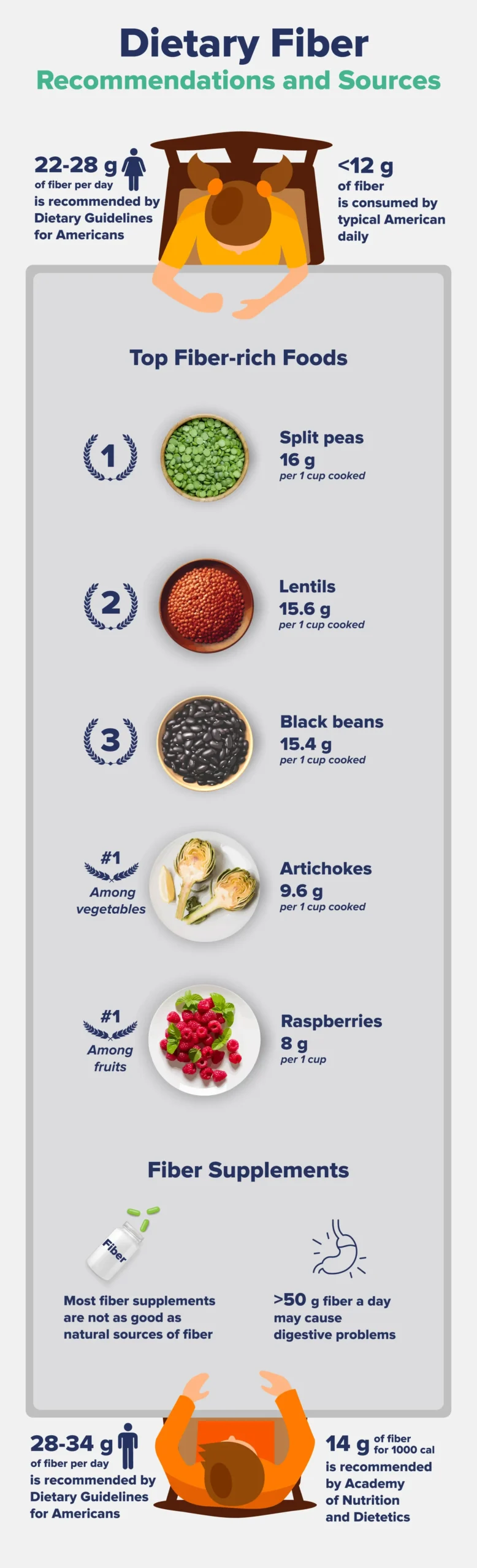
According to the United States Department of Agriculture (USDA), the daily recommended intake for fiber is:
- Men (aged 19-50): 38 grams
- Women (aged 19-50): 25 grams
For adults over 50, the recommendation slightly decreases to 30 grams for men and 21 grams for women, due to generally lower calorie consumption.
Now, let’s look at reality. The average American consumes a meager 10-15 grams of fiber per day. That means most of us are falling short by a staggering 15-20 grams—a gap wider than the Grand Canyon in nutritional terms.
This isn’t just an American problem; it’s a hallmark of modern Western diets, which are dominated by highly processed foods, refined grains, and sugary snacks—all of which are notoriously low in fiber.
Why Fiber is Your Body’s Best Friend: More Than Just Regularity
To understand why closing the fiber gap is so urgent, we need to appreciate what fiber actually does in our bodies. Fiber, or “roughage,” is the indigestible part of plant foods. Because we can’t break it down for energy, it performs a unique set of roles as it travels through our digestive system.
There are two main types of fiber, both essential for health:
1. Soluble Fiber: This type dissolves in water to form a gel-like substance in your gut.
- Key Benefits:
- Heart Health Champion: It binds to bile acids (which are made from cholesterol) and removes them from the body, effectively helping to lower LDL (“bad”) cholesterol levels.
- Blood Sugar Stabilizer: The gel it forms slows down the absorption of sugar into the bloodstream, preventing those dreaded spikes and crashes.
- Satiety Superstar: It helps you feel full and satisfied for longer, which can aid in weight management.
- Best Sources: Oats, barley, nuts, seeds, beans, lentils, peas, and some fruits and vegetables (like apples, carrots, and citrus fruits).
2. Insoluble Fiber: This type does not dissolve in water. It adds bulk to stool and helps it pass more quickly through the digestive system.
- Key Benefits:
- Digestion’s Bouncer: It “keeps things moving,” preventing and alleviating constipation.
- Gut Health Guardian: It helps maintain a healthy pH balance in the intestines and may reduce the risk of colorectal cancers.
- Toxin Remover: By speeding up transit time, it limits the exposure of the colon lining to potential harmful substances.
- Best Sources: Whole wheat flour, wheat bran, nuts, beans, and many vegetables like cauliflower, green beans, and potatoes.
Most whole plant foods contain a mix of both types, which is why a varied diet is key.
The Gut Microbiome Connection:
Perhaps the most exciting modern discovery about fiber is its role as a prebiotic. Think of prebiotics as the “food” for the beneficial bacteria (probiotics) living in your gut. When you eat fiber, you’re not just feeding yourself—you’re feeding your gut microbiome. A well-fed microbiome is linked to:
- A stronger immune system
- Improved mental health and mood
- Reduced inflammation
- Better nutrient absorption
- A healthier body weight
Neglecting fiber starves these good bacteria, allowing less desirable microbes to thrive, which can have cascading negative effects on your entire body.
The Simple Swap Strategy: Your Blueprint for Bridging the Gap
Trying to suddenly add 25-30 grams of fiber to your diet overnight is a recipe for discomfort (think gas and bloating). The key is to be gradual and strategic. The most effective method is the “Swap, Don’t Add” approach. Instead of thinking about adding more food, you simply upgrade the foods you’re already eating to higher-fiber versions.
Over the next sections, we’ll break down these swaps by meal and food category.
Swap #1: The Great Grain Upgrade
Refined grains (white bread, white rice, regular pasta) have had their fiber-rich bran and germ removed. Swapping them for whole grains is the single most effective way to boost your fiber intake.
| Before (Low-Fiber) | After (High-Fiber Swap) | Fiber Boost & Tips |
|---|---|---|
| White Bread (2 slices) ~1.5g fiber | 100% Whole Wheat Bread (2 slices) ~4-6g fiber | +2.5-4.5g Look for “100% whole wheat” as the first ingredient. |
| White Rice (1 cup cooked) ~0.5g fiber | Brown Rice or Quinoa (1 cup cooked) ~3-5g fiber | +2.5-4.5g Quinoa is a complete protein and cooks quickly. |
| Regular Pasta (2 oz dry) ~2g fiber | Whole Wheat Pasta or Lentil Pasta (2 oz dry) ~5-7g fiber | +3-5g Lentil or chickpea pasta can have up to 13g of fiber and 20g of protein! |
| Corn Flakes (1 cup) ~1g fiber | Oatmeal (1/2 cup dry) or Bran Flakes (1 cup) ~4-5g fiber | +3-4g Oatmeal is a soluble fiber powerhouse. |
| White Flour Tortilla ~1.5g fiber | Whole Wheat Tortilla ~5g fiber | +3.5g Perfect for wraps and burritos. |
Pro Tip: If your family is resistant to 100% whole wheat pasta, start with a 50/50 blend of white and whole wheat. They’ll barely notice the difference.
Swap #2: Power Up Your Produce
Fruits and vegetables are foundational for fiber, but some are true superstars. The goal isn’t just to eat more produce, but to strategically incorporate the ones that pack the biggest fibrous punch.
| Before (Low-Fiber) | After (High-Fiber Swap) | Fiber Boost & Tips |
|---|---|---|
| Iceberg Lettuce (1 cup) ~0.5g fiber | Spinach or Kale (1 cup raw) ~0.7-1g fiber | +0.2-0.5g A small boost, but every bit counts. Also far more nutrient-dense. |
| – (Add a side) | Add 1 medium Pear or Apple (with skin) ~5-6g fiber | +5-6g Never peel your apples or pears! The skin holds most of the fiber. |
| Potato without skin ~1.5g fiber | Potato with skin ~4g fiber | +2.5g The skin is where the fiber magic happens. |
| Cucumber slices (1 cup) ~0.5g fiber | Broccoli florets (1 cup raw) ~2.5g fiber | +2g Broccoli is a cruciferous champion for fiber and nutrients. |
| Fruit Juice (1 cup) ~0.5g fiber | Whole Fruit or Smoothie ~3-5g fiber | +2.5-4.5g Juice removes the fiber, leaving pure sugar. Always choose whole fruit. |
| – (Snack) | 1 cup Raspberries or Blackberries ~8g fiber | +8g Berries are the undisputed fiber kings of the fruit world. |
Pro Tip: Keep a bowl of washed, ready-to-eat fruits like apples, pears, and berries on your counter. You’re far more likely to grab them for a quick snack.
Read more: The American Gut: Why IBS is So Common in the US and 5 Science-Backed Ways to Find Relief
Swap #3: The Protein & Legume Revolution
This is where you can make massive fiber gains. Beans, lentils, and peas are the ultimate fiber powerhouses, often providing a third of your daily needs in a single cup.
| Before (Low-Fiber) | After (High-Fiber Swap) | Fiber Boost & Tips |
|---|---|---|
| Ground Beef (in chili) 0g fiber | 1:1 swap with Lentils or add a can of Kidney Beans ~15-16g fiber per cup | +15-16g Lentils cook quickly and absorb flavor beautifully. |
| – (Add to salads) | Add 1/2 cup of Chickpeas ~5-6g fiber | +5-6g An effortless way to turn a side salad into a filling meal. |
| Sour Cream (on tacos) 0g fiber | Mashed Avocado or Guacamole (1/4 avocado) ~3-4g fiber | +3-4g Healthy fats and fiber—a winning combo. |
| Croutons (on salad) ~1g fiber | Toasted Sunflower or Pumpkin Seeds (2 tbsp) ~2-3g fiber | +1-2g Adds a delicious crunch and extra nutrients. |
| – (Meatless Monday) | Black Bean Burgers (1 patty) ~5-8g fiber | +5-8g Many store-bought options are delicious and convenient. |
Pro Tip: Rinse canned beans thoroughly. This not only reduces sodium by up to 40% but can also make them easier to digest.
Swap #4: Smart Snacking & Ingredient Boosts
The gaps between meals are prime opportunities to sneak in more fiber.
| Before (Low-Fiber) | After (High-Fiber Swap) | Fiber Boost & Tips |
|---|---|---|
| Potato Chips (1 oz) ~1g fiber | Air-Popped Popcorn (3 cups) ~3.5g fiber | +2.5g A whole grain snack that’s high volume and low calorie. |
| Granola Bar (many types) ~1g fiber | DIY Bar with Nuts/Seeds/Oats ~3-5g fiber | +2-4g Look for bars with >3g fiber and minimal added sugar. |
| Yogurt (plain) 0g fiber | Yogurt with 2 tbsp Chia Seeds or Flaxseed ~7-8g fiber | +7-8g This is a massive upgrade. Chia seeds form a gel, making yogurt extra creamy. |
| White Flour in Baking ~1g per 1/2 cup | Substitute 1/3 with Oat Flour or Whole Wheat Flour ~+2-4g | +2-4g An easy, undetectable swap in muffins, pancakes, and breads. |
A Day on a High-Fiber Diet: What 30+ Grams Looks Like in Practice
Let’s see how these swaps can easily add up to meet—and exceed—the USDA recommendation.
Sample Day for a Woman (Target: 25g)
- Breakfast: 1/2 cup rolled oats cooked with 1 cup of water, topped with 1/2 cup raspberries and 1 tbsp of chia seeds. (Fiber: 4g + 4g + 4g = 12g)
- Snack: 1 medium pear with a handful of almonds. (Fiber: 5.5g + 3g = 8.5g)
- Lunch: Large salad with 2 cups spinach, 3 oz grilled chicken, 1/2 cup chickpeas, and other non-starchy veggies with a vinaigrette. (Fiber: 1.5g + 6g = 7.5g)
- Dinner: 4 oz baked salmon with 1 cup roasted broccoli and 1/2 cup quinoa. (Fiber: 2.5g + 2.5g = 5g)
- Total Fiber: 33 grams (You’ve surpassed your goal!)
Sample Day for a Man (Target: 38g)
- Breakfast: Smoothie with 1 cup spinach, 1/2 cup frozen mango, 1 tbsp flaxseed, 1 scoop protein powder, and 1 cup unsweetened almond milk. (Fiber: 0.7g + 1.5g + 3g = 5.2g)
- Lunch: Whole wheat tortilla wrap with 4 oz turkey, hummus, avocado, and plenty of veggies. (Fiber: 5g + 2g + 3g = 10g)
- Snack: 3 cups air-popped popcorn and a string cheese. (Fiber: 3.5g)
- Dinner: A hearty bowl of lentil soup (1.5 cups) with a small 100% whole wheat roll. (Fiber: 22g + 3g = 25g)
- Total Fiber: 43.7 grams (Goal achieved!)
As you can see, by making conscious swaps, hitting your fiber target is not only achievable but can also be incredibly delicious and satisfying.
Important Considerations and Cautions
- Go Slow and Drink Up: The most common mistake when increasing fiber is doing it too quickly. A sudden influx can cause gas, bloating, and cramping. Increase your intake gradually over several weeks to allow your gut microbiome to adjust.
- Hydration is Non-Negotiable: Fiber needs water to do its job properly. Without adequate fluid, it can actually worsen constipation. Aim for at least 8 glasses of water a day, and more if you’re active or in a hot climate.
- Listen to Your Body: While some initial gas is normal as your gut bacteria adjust, pay attention to how you feel. Certain high-FODMAP foods (like beans, onions, and cauliflower) can be problematic for people with IBS. If you have a sensitive gut, introduce high-fiber foods one at a time.
Conclusion: Your Journey Across the Fiber Gap Starts Today
The fiber gap is a real and pervasive issue, but it is not an insurmountable one. You don’t need a degree in nutrition or a restrictive diet to cross it. You simply need the knowledge of where fiber hides and the willingness to make small, consistent upgrades to your plate.
Start with just one swap this week. Maybe it’s switching from white rice to brown rice, or adding a tablespoon of chia seeds to your morning yogurt. Next week, add another. Before you know it, your taste buds will adapt, your digestion will thank you, and you’ll be well on your way to reaping the profound, lifelong benefits of a high-fiber diet—from a healthier heart and steadier energy to a thriving gut ecosystem.
Your body is designed to run on fiber. It’s time to give it the fuel it deserves.
Read more: Probiotics vs. Prebiotics: A Beginner’s Guide to Optimizing Your Gut Health
Frequently Asked Questions (FAQ) Section
Q1: I’ve heard fiber can interfere with nutrient absorption. Is this true?
This is a common misconception. In the context of a balanced diet, fiber does not significantly hinder the absorption of vitamins and minerals. In fact, a healthy gut microbiome, which is fed by fiber, actually improves the absorption of some nutrients. The one exception is phytate, a compound in whole grains and legumes that can bind to minerals like iron and zinc. However, practices like soaking, sprouting, and cooking—which we commonly do—significantly reduce phytate levels. For the vast majority of people, the benefits of fiber far outweigh this minimal, manageable risk.
Q2: Are fiber supplements a good way to bridge the gap?
While supplements like psyllium husk (e.g., Metamucil) can be beneficial, especially for addressing constipation, they should be a supplement, not a replacement for whole foods. Whole foods provide a synergistic mix of soluble and insoluble fiber, along with a vast array of vitamins, minerals, antioxidants, and phytonutrients that you won’t get from a supplement. Think of supplements as a helpful tool, but focus on building a foundation of fiber-rich whole foods first.
Q3: I have Irritable Bowel Syndrome (IBS). How can I increase fiber without triggering symptoms?
This requires a more careful approach. Many high-fiber foods are also high in FODMAPs (fermentable carbohydrates) that can trigger IBS symptoms.
- Go Slow: Introduce fiber even more gradually.
- Soluble Fiber is Your Friend: Focus on soluble fiber sources like oats, psyllium husk, oranges, carrots, and strawberries, which are often better tolerated.
- Cook Your Veggies: Cooking breaks down fiber and can make vegetables like broccoli and cauliflower easier to digest than in their raw form.
- Consider a Low-FODMAP Diet: Working with a registered dietitian to follow a temporary low-FODMAP diet can help you identify your specific triggers before systematically reintroducing fibers.
Q4: Can you get too much fiber? What are the symptoms?
Yes, it is possible to consume too much fiber, especially too quickly. The “Tolerable Upper Intake Level” hasn’t been set, but consistently eating more than 70 grams per day can cause problems. Symptoms of overconsumption include:
- Bloating, gas, and cramping
- Constipation (especially if you’re not drinking enough water)
- Diarrhea
- Nutrient malabsorption in extreme cases
The key is to listen to your body and increase your intake slowly and with plenty of fluids.
Q5: Do I need to worry about getting both soluble and insoluble fiber, or should I just focus on total grams?
For general health, focusing on total fiber intake from a wide variety of plant sources is a great starting point. By eating diversely—fruits, vegetables, whole grains, nuts, seeds, and legumes—you will naturally get a healthy mix of both types. If you have a specific health goal, like lowering cholesterol, you might pay extra attention to incorporating more soluble fiber (oats, barley, beans, apples).
Q6: Are “net carbs” the same as fiber? Should I subtract fiber from my carb count?
Fiber is a type of carbohydrate, but it’s handled differently by the body. “Net carbs” is a calculation (Total Carbohydrates – Fiber – Sugar Alcohols) that aims to represent the carbs that impact blood sugar. Since fiber is not digested and doesn’t raise blood sugar, subtracting it can be a useful concept for people on low-carb or ketogenic diets or those managing diabetes. However, for general health and aiming to meet the USDA recommendations, you should focus on your total dietary fiber intake, not net carbs.