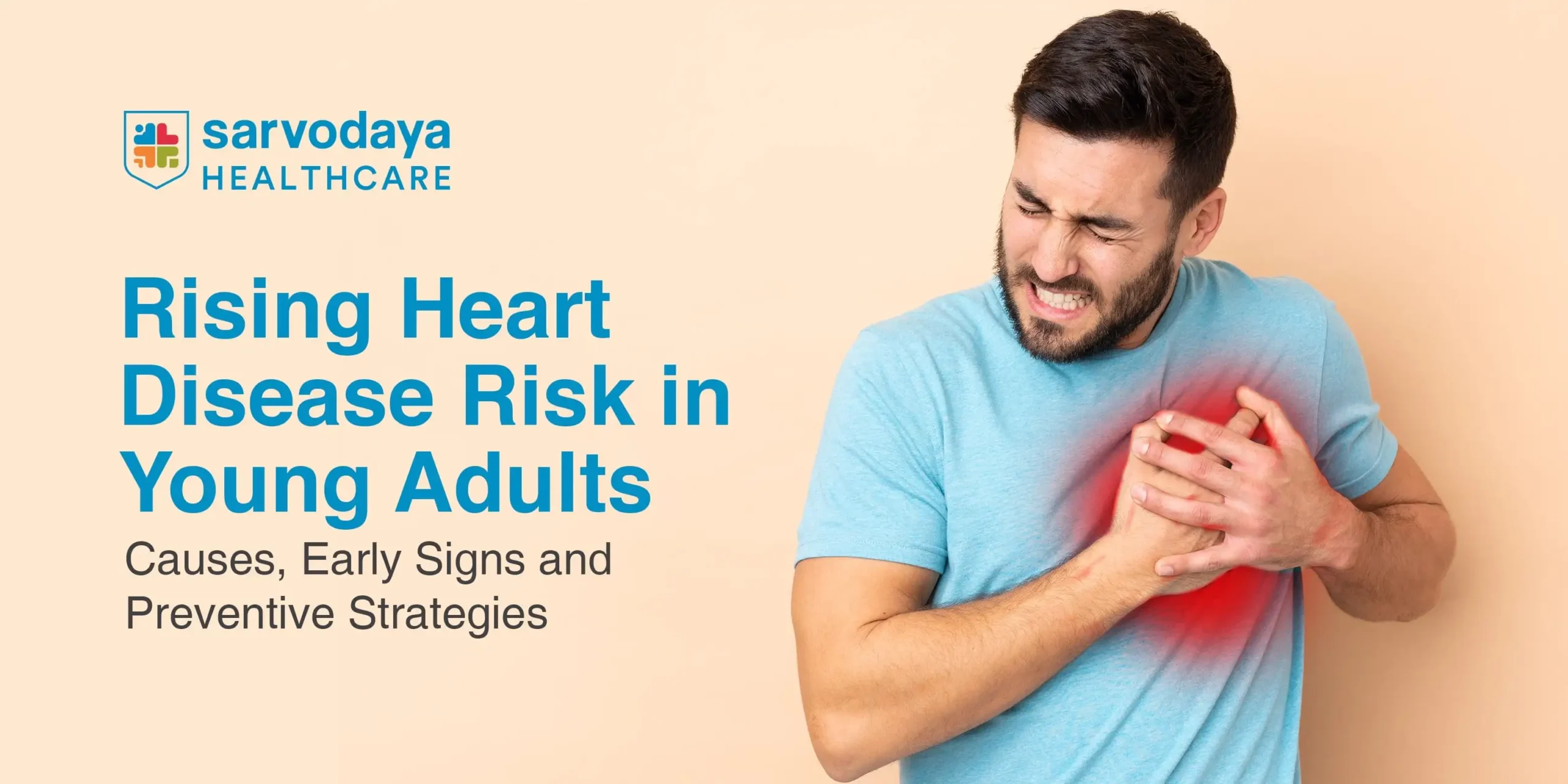
In the landscape of American public health, a silent and insidious crisis is unfolding. It’s not marked by dramatic outbreaks or alarming new viruses, but by a steady, relentless hum of modern life. This crisis is the intertwined triad of chronic stress, systemic sleep deprivation, and rampant hypertension. Individually, each is a formidable health challenge. Together, they form a feedback loop of physiological dysfunction that is driving cardiovascular disease, the nation’s leading cause of death.
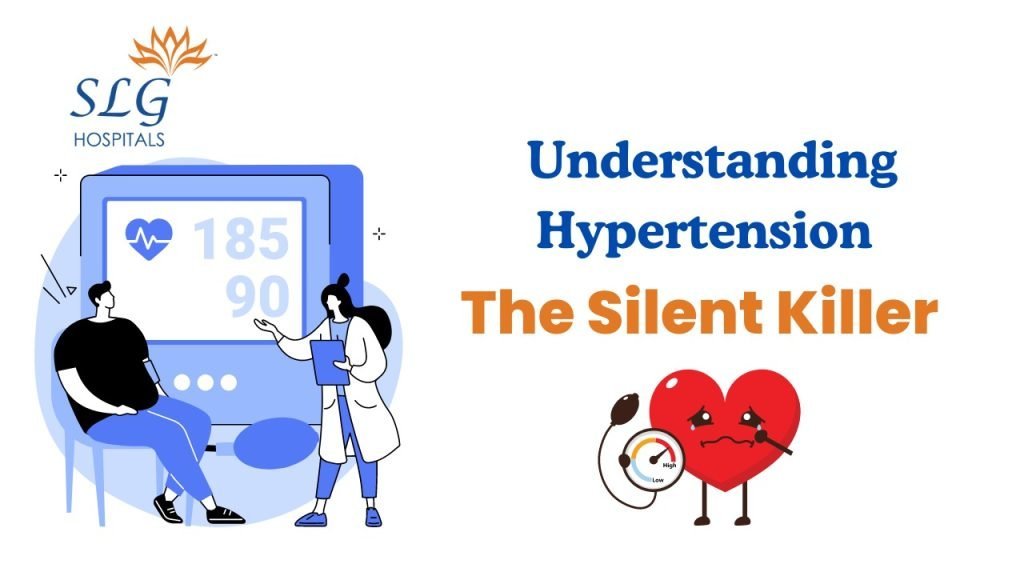
Hypertension, or high blood pressure, is often called the “silent killer” because it typically presents no symptoms until significant damage has been done to the heart, arteries, kidneys, and brain. Similarly, the erosion of our sleep quality and the constant drumbeat of stress are often dismissed as mere inconveniences of a busy life. We have normalized being “tired and wired.”
This article will dissect the powerful biological connections between these three conditions. We will move beyond superficial advice and delve into the underlying mechanisms—the hormonal cascades, the nervous system imbalances, and the vascular damage—that bind them. More importantly, we will provide a robust, evidence-based roadmap for breaking the cycle, empowering you with knowledge and practical strategies to reclaim your health and silence this crisis within.
Part 1: The American Pressure Cooker – The Scope of the Problem
To understand the crisis, we must first appreciate its scale.
Hypertension by the Numbers:
According to the American Heart Association and the Centers for Disease Control and Prevention (CDC), nearly half of all adults in the United States have hypertension. Only about 1 in 4 of those individuals have their condition under control. Hypertension is a primary or contributing cause of death for more than half a million people in the U.S. each year.
The Sleep-Deprived Nation:
The CDC has declared sleep insufficiency a “public health problem.” More than a third of American adults report regularly getting less than the recommended 7 hours of sleep per night. The economic cost of sleep loss is estimated to be hundreds of billions of dollars annually, factoring in lost productivity, accidents, and healthcare expenses.
A Nation Under Stress:
The American Psychological Association’s annual “Stress in America” report consistently paints a picture of a chronically stressed populace. Concerns about money, work, the political climate, and violence are frequently cited as significant stressors. This isn’t the acute stress of running from a predator; it’s the chronic, low-grade, unrelenting stress that keeps the body’s emergency systems permanently engaged.
These three epidemics are not separate; they are threads of the same fraying rope. To see how they connect, we must journey into the intricate workings of the human body.
Part 2: The Physiology of Stress – More Than Just a Feeling
Stress is not merely a psychological state; it is a full-body, hardwired physiological response designed for survival.
The HPA Axis and the Fight-or-Flight Response:
When your brain perceives a threat—be it a looming deadline or a near-miss car accident—it triggers the Hypothalamic-Pituitary-Adrenal (HPA) axis.
- The hypothalamus in your brain releases a hormone that signals the pituitary gland.
- The pituitary gland then releases Adrenocorticotropic Hormone (ACTH).
- ACTH travels to the adrenal glands, sitting atop your kidneys, prompting them to release the primary stress hormone: cortisol.
Simultaneously, the sympathetic nervous system (the “gas pedal”) is activated, leading to a surge of adrenaline (epinephrine). Together, cortisol and adrenaline orchestrate the classic fight-or-flight response:
- Increased heart rate and blood pressure: To pump more blood to muscles and the brain.
- Spike in blood sugar: To provide immediate energy.
- Sharpened senses: Pupils dilate, hearing becomes more acute.
- Suppression of non-essential functions: Such as digestion, reproduction, and immune system activity.
This system is brilliantly effective for short-term threats. The problem in modern life is that the “threats” are often psychological and perpetual—a demanding boss, financial worries, a 24/7 news cycle. This leads to chronic stress, where the HPA axis remains mildly to moderately activated for weeks, months, or even years.
Chronic Stress and the Cardiovascular System:
When cortisol levels remain elevated:
- Sustained High Blood Pressure: Constant vasoconstriction (narrowing of blood vessels) and increased heart rate keep blood pressure chronically high.
- Inflammation: Cortisol is anti-inflammatory in the short term, but chronic elevation can dysregulate the immune system, leading to widespread, low-grade inflammation that damages arterial walls.
- Plaque Buildup: The inflamed, damaged arterial walls become more susceptible to the accumulation of cholesterol-rich plaque, a condition known as atherosclerosis, which further narrows arteries and raises blood pressure.
Part 3: The Unsung Healer – Why Sleep is Non-Negotiable for Cardiovascular Health
If stress is the body’s accelerator, sleep is its essential brake and repair shop. Sleep is an active, highly regulated physiological process critical for virtually every system in the body, especially the cardiovascular system.
Sleep Architecture: A Journey Through the Night:
Sleep is not a monolithic state. We cycle through stages throughout the night:
- NREM Stage 1 & 2 (Light Sleep): The transition from wakefulness to sleep. Heart rate and breathing begin to slow.
- NREM Stage 3 (Deep Sleep or Slow-Wave Sleep): This is the most restorative phase. The body repairs tissues, builds bone and muscle, and strengthens the immune system. Blood pressure drops to its lowest daily point (nocturnal dipping), giving the heart and blood vessels a much-needed rest.
- REM Sleep (Rapid Eye Movement): The stage most associated with vivid dreams. The brain is highly active, but the body is paralyzed (to prevent acting out dreams). REM is crucial for memory consolidation, learning, and emotional regulation.
A full cycle takes about 90 minutes, and we need multiple cycles for optimal health.
The Cardiovascular Benefits of Quality Sleep:
- Nocturnal Dipping: This 10-20% drop in blood pressure during sleep is a critical marker of cardiovascular health. The absence of this dip, known as “non-dipping,” is a powerful predictor of future cardiovascular events.
- Nervous System Balance: Sleep promotes the dominance of the parasympathetic nervous system (the “brake pedal”), which calms the body, lowers heart rate, and reduces blood pressure, counteracting the effects of the daytime sympathetic drive.
- Metabolic Reset: Sleep helps regulate hormones that control appetite (leptin and ghrelin) and insulin sensitivity, indirectly affecting weight and diabetes risk—both major contributors to hypertension.
- Cellular Repair and Cleansing: Recent research has highlighted the “glymphatic system,” a waste-clearance process in the brain that is most active during deep sleep. It flushes out neurotoxic waste products, including beta-amyloid proteins associated with Alzheimer’s disease.
Part 4: The Vicious Cycle – How Stress, Poor Sleep, and Hypertension Fuel Each Other
This is where the separate threads weave into a destructive tapestry. The relationship between stress, sleep, and blood pressure is not linear; it is a self-perpetuating, vicious cycle.
1. Stress → Poor Sleep:
A racing mind, fueled by cortisol and adrenaline, is the antithesis of the tranquil state required for sleep onset. Chronic stress:
- Causes Hyperarousal: It keeps the sympathetic nervous system activated, making it difficult to fall asleep (sleep onset insomnia).
- Disrupts Sleep Architecture: It can reduce the amount of deep, restorative NREM Stage 3 sleep and fragment REM sleep, leading to less restorative rest, even if you are in bed for 8 hours.
- Heightens the Risk for Sleep Disorders: Stress is a major trigger for insomnia and can exacerbate conditions like sleep bruxism (teeth grinding).
2. Poor Sleep → Heightened Stress Reactivity:
When you are sleep-deprived, the brain’s emotional center, the amygdala, becomes hyperactive, while the prefrontal cortex, which is responsible for executive function and emotional regulation, is impaired. This means:
- You become more emotionally reactive. Minor stressors that you would normally shrug off feel overwhelming.
- The HPA axis becomes dysregulated. Studies show that after a night of poor sleep, the body releases more cortisol in response to stressors the next day. Your physiological stress response is amplified.
3. Poor Sleep → Direct Pathway to Hypertension:
Lack of sleep directly assaults cardiovascular health through several mechanisms:
- Disrupted Nocturnal Dipping: Poor sleep, especially the loss of deep sleep, blunts or eliminates the crucial nighttime dip in blood pressure. The heart and vessels never get a break.
- Sympathetic Overdrive: Sleep deprivation directly increases sympathetic nervous system activity during the day, keeping heart rate and blood pressure elevated.
- Endothelial Dysfunction: The endothelium is the thin lining of blood vessels. It produces nitric oxide, a compound that relaxes and dilates arteries. Sleep loss impairs endothelial function, reducing nitric oxide availability and leading to stiffer, more constricted blood vessels.
- Renin-Angiotensin-Aldosterone System (RAAS) Activation: This hormone system regulates blood pressure and fluid balance. Sleep deprivation can inappropriately activate the RAAS, leading to sodium retention and vasoconstriction.
4. Hypertension → Poor Sleep:
The cycle completes itself. Hypertension, particularly when it causes other conditions like heart failure, can lead to sleep disorders like sleep apnea (pauses in breathing during sleep) and paroxysmal nocturnal dyspnea (waking up gasping for air). Furthermore, the anxiety of having a chronic condition like hypertension can itself be a source of stress, further disrupting sleep.
This cycle creates a perfect storm: chronic stress leads to poor sleep, which amplifies the stress response and directly damages the cardiovascular system, leading to hypertension, which in turn worsens sleep and stress. Breaking this cycle requires a multi-pronged, systematic approach.
Read more: Beyond Gluten-Free: Is a Low-FODMAP Diet the Right Choice for Your Digestive Distress?
Part 5: Breaking the Cycle – An Evidence-Based Roadmap to Recovery
Escaping this triad requires addressing all three components simultaneously. The goal is not to eliminate stress—an impossible task—but to build resilience and create an environment where restorative sleep can occur.
A. Taming the Stress Response
- Mindfulness and Meditation:
- The Science: Mindfulness-Based Stress Reduction (MBSR) and other meditation practices have been shown to reduce cortisol levels, lower blood pressure, decrease amygdala activity, and increase gray matter in the prefrontal cortex.
- The Practice: Start with just 5-10 minutes per day. Apps like Calm, Headspace, or Insight Timer offer guided sessions. Focus on your breath and gently bring your attention back when your mind wanders.
- Regular Physical Activity:
- The Science: Exercise is a powerful buffer against stress. It metabolizes excess stress hormones, releases endorphins (natural mood elevators), and improves the body’s ability to respond to oxidative stress.
- The Practice: Aim for at least 150 minutes of moderate-intensity exercise (e.g., brisk walking, cycling) or 75 minutes of vigorous activity per week. Yoga and Tai Chi are particularly effective as they combine movement with breath awareness.
- Cognitive Behavioral Techniques:
- The Science: Cognitive Behavioral Therapy (CBT) helps you identify and reframe distorted thought patterns that contribute to stress. CBT for Insomnia (CBT-I) is the gold-standard non-pharmacological treatment for chronic insomnia.
- The Practice: Challenge catastrophic thinking. Instead of “I’ll never get this done, and I’ll lose my job,” try, “This is a challenging project, but I will prioritize and work on it step-by-step.”
- Social Connection:
- The Science: Strong social ties are a powerful antidote to stress. Positive social interaction boosts oxytocin, a hormone that dampens the stress response.
- The Practice: Make time for friends and family. Join a club, a class, or a volunteer group. Don’t underestimate the power of a simple conversation.
B. Reclaiming Restorative Sleep
- Prioritize Sleep Hygiene:
- Consistency is Key: Go to bed and wake up at the same time, even on weekends. This stabilizes your circadian rhythm.
- Create a Sanctuary: Your bedroom should be cool (65-68°F), dark, and quiet. Use blackout curtains and a white noise machine if needed.
- The Wind-Down Routine: The hour before bed is critical. Dim the lights, disconnect from screens (phones, TVs, laptops), and engage in calming activities like reading a physical book, taking a warm bath, or gentle stretching.
- Leverage Light and Darkness:
- Morning Light: Get exposure to bright natural light within an hour of waking. This suppresses melatonin and signals to your brain that the day has begun.
- Evening Darkness: Avoid blue light from screens in the evening. Use blue light filters or, ideally, put devices away. This allows your natural melatonin production to rise.
- Be Mindful of Diet and Substance Use:
- Caffeine and Nicotine: Both are stimulants that can fragment sleep. Avoid caffeine after 2 PM.
- Alcohol: While it may help you fall asleep initially, alcohol severely disrupts sleep architecture, suppressing REM sleep and causing nighttime awakenings.
- Evening Meals: Avoid large, heavy, or spicy meals close to bedtime.
- Seek Professional Help for Sleep Disorders:
- If you snore loudly, gasp for air during sleep, or have persistent, unrefreshing sleep despite good habits, consult a doctor. You may need a sleep study to rule out Sleep Apnea, a serious disorder that is a major cause of treatment-resistant hypertension.
C. Managing and Monitoring Blood Pressure
- Know Your Numbers:
- Regularly monitor your blood pressure at home with a validated, upper-arm cuff monitor. Keep a log to share with your doctor.
- Adopt a Heart-Healthy Diet:
- The DASH (Dietary Approaches to Stop Hypertension) diet is specifically designed to lower blood pressure. It emphasizes fruits, vegetables, whole grains, lean protein, and low-fat dairy while limiting saturated fat, sodium, and added sugars.
- Reduce Sodium Intake:
- The average American consumes about 3,400 mg of sodium per day. The AHA recommends less than 2,300 mg, with an ideal limit of 1,500 mg for most adults. Read food labels and cook at home more often to control salt.
- Adhere to Medical Advice:
- If you are prescribed medication for hypertension, take it exactly as directed. Do not stop taking it without consulting your doctor, even if you feel fine.
Conclusion: From Silent Crisis to Conscious Control
The link between stress, poor sleep, and hypertension is a formidable challenge of modern life, but it is not an unbreakable chain. By understanding the deep physiological connections, we can move beyond treating these as isolated issues. The path to recovery lies in a holistic approach that honors the body’s innate need for both activity and rest, for engagement and calm.
Breaking the cycle requires conscious, daily effort. It means choosing to meditate instead of scroll, to take a walk instead of ruminating, to power down devices and prioritize sleep. It is a commitment to listening to the subtle signals of your body before they become a silent crisis.
This is not just about adding years to your life, but life to your years. By mastering your stress and reclaiming your sleep, you do more than just lower your blood pressure; you enhance your mood, sharpen your mind, and build a foundation of resilience that will support you through all of life’s inevitable challenges. The power to silence this crisis lies within your daily choices. Start tonight.
Read more: Probiotics vs. Prebiotics: A Beginner’s Guide to Optimizing Your Gut Health
Frequently Asked Questions (FAQ)
Q1: I feel stressed, but my blood pressure is normal at the doctor’s office. Does that mean I’m in the clear?
Not necessarily. You may have “white coat syndrome,” where blood pressure is elevated only in a clinical setting. Conversely, you could have “masked hypertension,” where your BP is normal at the doctor’s but high at home or work. Stress can cause transient spikes that, over time, cause permanent damage. The best approach is to monitor your blood pressure at home at different times of day and keep a log for your doctor.
Q2: I only get 5-6 hours of sleep per night and feel fine. Is that really a problem?
While a very small percentage of the population may be “short sleepers” due to genetics, the vast majority of people who claim to function well on 5-6 hours are likely experiencing a sleep debt they have simply adapted to. Chronic sleep restriction impairs cognitive performance, emotional regulation, and metabolic health, even if you don’t feel sleepy. The cardiovascular risks of consistently short sleep are well-documented, including the blunting of the nocturnal blood pressure dip. Aiming for 7-9 hours is the safest recommendation for long-term health.
Q3: Are sleep aids or melatonin supplements a good solution for my stress-related insomnia?
Over-the-counter sleep aids and even melatonin can be useful for short-term, situational insomnia (like jet lag). However, they are not a long-term solution for chronic sleep problems rooted in stress. They do not address the underlying hyperarousal of the nervous system and can lead to dependency or tolerance. The most effective and sustainable approach is Cognitive Behavioral Therapy for Insomnia (CBT-I), which targets the thoughts and behaviors that perpetuate sleep difficulties.
Q4: I exercise regularly, but I often do intense workouts late in the evening due to my schedule. Could this be affecting my sleep?
It’s possible. Vigorous exercise too close to bedtime can be stimulating for some people, raising core body temperature and activating the sympathetic nervous system, making it harder to wind down. If you find you have trouble falling asleep after evening workouts, try to finish your intense exercise at least 2-3 hours before bed. Alternatively, you could switch to gentle, restorative movement like yoga or stretching in the evening.
Q5: My doctor says my “bottom number” (diastolic pressure) is high, but the “top number” (systolic) is okay. Is this related to stress and sleep?
Yes, absolutely. Diastolic pressure is the pressure in your arteries when your heart is resting between beats. Chronic stress and poor sleep keep your sympathetic nervous system active even during periods of rest, preventing your arteries from fully relaxing. This can lead to elevated diastolic pressure. It’s a clear sign that your body is not getting the restorative downtime it needs.
Q6: Beyond meditation, what are some quick “in-the-moment” techniques to lower stress during a hectic day?
- The Physiological Sigh: Popularized by Dr. Andrew Huberman, this is a powerful, fast-acting breathing technique. Inhale deeply through the nose, then take a second, shorter inhale to fully inflate the lungs, followed by a long, slow exhale through the mouth. Doing this just 1-3 times can rapidly reduce your heart rate and calm you down.
- Box Breathing: Inhale for a count of 4, hold your breath for 4, exhale for 4, and hold the exhale for 4. Repeat several times. This is used by Navy SEALs to remain calm under pressure.
- A 5-Minute Walk: Simply removing yourself from a stressful environment and changing your physical state can reset your nervous system.