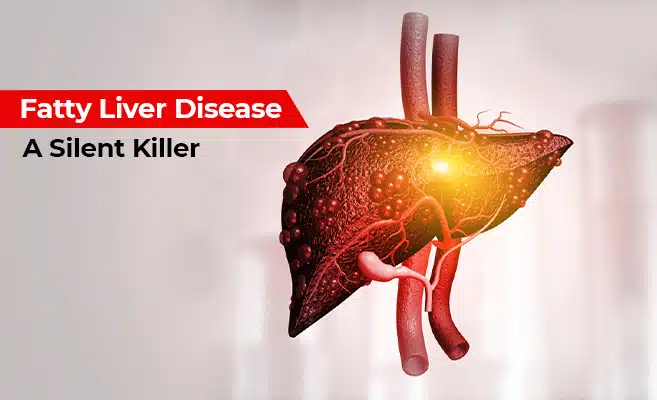
If asked to name the most pressing public health crises in America today, most people would list heart disease, cancer, or diabetes. Very few, including many of those already affected, would mention a liver condition called Non-Alcoholic Fatty Liver Disease (NAFLD). Yet, silently and with staggering speed, NAFLD has become the most common form of chronic liver disease in the United States and much of the Western world, affecting an estimated 80 to 100 million Americans.
This isn’t a disease linked to alcohol abuse, though it can look identical to an alcoholic’s liver under a microscope. Instead, its primary drivers are deeply woven into the fabric of the modern American diet and lifestyle: excessive sugar consumption, particularly from sugary beverages, coupled with sedentary habits. NAFLD is the hepatic manifestation of metabolic syndrome—a direct consequence of our collective struggle with obesity and insulin resistance.
This article will serve as a comprehensive guide to understanding this silent epidemic. We will demystify what NAFLD is, unravel the potent role of sugar—especially fructose—in overburdening the liver, explore the stages of the disease from simple fat accumulation to life-threatening cirrhosis, and outline the actionable steps for prevention, management, and reversal. The goal is to equip you with the knowledge and authority to protect your liver health and recognize that the choices we make at the grocery store and in our kitchens have profound consequences for an organ we often take for granted.
Part 1: Understanding the Liver and the Spectrum of NAFLD
The Liver: Your Metabolic Powerhouse
Before we can understand what goes wrong in NAFLD, we must first appreciate the liver’s monumental role in our survival. It’s not merely a filter; it’s the body’s central processing plant.
- Metabolic Command Center: The liver meticulously manages carbohydrates, fats, and proteins. It stores glucose as glycogen for quick energy and creates new glucose when needed (gluconeogenesis).
- Detoxification Hub: It neutralizes and prepares toxins, drugs, and alcohol for elimination from the body.
- Protein Factory: It produces essential proteins like albumin and the clotting factors that stop us from bleeding excessively.
- Bile Producer: It creates bile, which is essential for digesting and absorbing fats in the small intestine.
The liver is remarkably resilient and can regenerate itself. However, this resilience has limits. When chronically overwhelmed, its functions begin to falter, setting the stage for disease.
What is Non-Alcoholic Fatty Liver Disease (NAFLD)?
NAFLD is an umbrella term for a range of liver conditions affecting people who drink little to no alcohol. At its core, it is characterized by an excessive accumulation of fat (triglycerides) in the liver cells (hepatocytes).
A healthy liver contains little or no fat. NAFLD is diagnosed when more than 5% of the liver’s weight is fat. This fat buildup is not benign; it creates a state of chronic, low-grade inflammation and oxidative stress that can damage the liver over time.
The disease exists on a spectrum, progressing through distinct stages:
Stage 1: Simple Hepatic Steatosis
This is the initial stage, marked by pure fat accumulation without significant inflammation. Think of a liver becoming “foie gras.” While the presence of excess fat is abnormal, the liver can still function relatively well at this stage. This condition is often reversible with lifestyle changes.
Stage 2: Non-Alcoholic Steatohepatitis (NASH)
This is a more aggressive and dangerous progression. The fat-filled liver becomes inflamed. This inflammation, or steatohepatitis, causes liver cell damage and death. The presence of NASH signifies that the disease has advanced and the risk of further progression is significantly higher.
Stage 3: Fibrosis
Persistent inflammation leads to the activation of stellate cells in the liver, which begin to deposit collagen and other proteins, forming scar tissue. This process is known as fibrosis. The scar tissue begins to replace healthy liver tissue but has not yet disrupted the liver’s overall structure.
Stage 4: Cirrhosis
This is the most severe stage, where extensive scarring becomes widespread, and the liver becomes shrunken, nodular, and hard. Cirrhosis is irreversible and represents late-stage liver failure. The liver’s ability to function is severely compromised, leading to complications such as:
- Portal Hypertension: High blood pressure in the vein that supplies the liver.
- Ascites: Fluid buildup in the abdomen.
- Jaundice: Yellowing of the skin and eyes.
- Hepatic Encephalopathy: Confusion and cognitive issues due to toxin buildup in the brain.
- Liver Cancer (Hepatocellular Carcinoma): A significantly increased risk.
The progression from simple steatosis to cirrhosis can take years or even decades, but for some, especially those with multiple metabolic risk factors, it can occur more rapidly.
Part 2: The Sugar Connection – The Engine of the Epidemic
The rise of NAFLD is not a coincidence; it parallels the rise in obesity and type 2 diabetes. At the heart of this triad is the overconsumption of refined carbohydrates and, most notably, sugar—specifically fructose.
Fructose: A Unique Problem for the Liver
To understand why sugar is so damaging, we must distinguish between the two main simple sugars that make up table sugar (sucrose) and high-fructose corn syrup (HFCS):
- Glucose: Metabolized by every cell in the body. It’s a primary energy source. When we consume glucose, the pancreas releases insulin to help shuttle it into cells. Excess glucose can be stored as glycogen in the liver and muscles or converted to fat.
- Fructose: Metabolized almost exclusively in the liver. Its metabolism does not trigger insulin secretion in the same way glucose does. This is a critical distinction.
When consumed in small amounts from whole foods like fruit, fructose is not a problem. The fiber in fruit slows its absorption, and the amount is relatively modest. The issue arises with the massive, concentrated doses found in processed foods and, especially, sugary drinks.
How Sugary Sodas and Drinks Overwhelm the Liver
A typical 12-ounce can of soda contains about 39 grams of sugar, often in the form of HFCS, which is roughly 50% fructose and 50% glucose. That’s nearly 10 teaspoons of sugar. When you drink a soda:
- Rapid Liver Load: The fructose component bypasses the normal regulatory pathways that control carbohydrate metabolism and floods directly into the liver.
- Forced Fat Production (De Novo Lipogenesis): The liver’s capacity to store fructose as glycogen is limited. When overwhelmed, it has no choice but to convert a significant portion of this fructose into fat (triglycerides) through a process called de novo lipogenesis—which literally means “creating fat anew.”
- Fat Buildup and Export: This newly synthesized fat has two fates. Some of it is stored within the liver itself, contributing directly to hepatic steatosis (Stage 1 NAFLD). The rest is packaged into very-low-density lipoproteins (VLDL) and shipped out into the bloodstream, raising blood triglyceride levels—a key risk factor for heart disease.
- Promotion of Insulin Resistance: Chronic high fructose intake has been shown to promote insulin resistance in the liver. An insulin-resistant liver doesn’t respond properly to insulin’s signals, leading to increased glucose production and further exacerbating the metabolic dysfunction that drives fat storage.
Sugary drinks are particularly nefarious because they deliver a large bolus of liquid calories without triggering the same sense of fullness (satiety) that solid food would. This makes it easy to consume a massive amount of sugar and calories in a very short time, providing a direct and potent hit to the liver.
It’s Not Just Soda: The Hidden Sugars
While soda is the prime offender, the “sugar trio” extends to a wide array of beverages and foods that contribute to the total fructose load:
- Fruit Juices: Often perceived as healthy, but stripped of fiber, they are little more than sugar water with some vitamins.
- Sports Drinks: Designed for endurance athletes, but routinely consumed by people with minimal activity.
- Sweetened Teas and Coffees: A latte or bottled tea can contain as much sugar as a can of soda.
- “Healthy” Alternatives: Agave nectar, for instance, is often higher in fructose than HFCS.
- Processed Foods: Condiments, salad dressings, breads, and yogurts can be surprising sources of added sugar.
The cumulative effect of this constant dietary sugar assault is a liver that is perpetually in fat-storage mode, setting the perfect stage for the development and progression of NAFLD.
Part 3: Risk Factors, Symptoms, and Diagnosis – The Silent Nature of the Disease
Who is at Risk?
While anyone can develop NAFLD, certain factors significantly increase the risk:
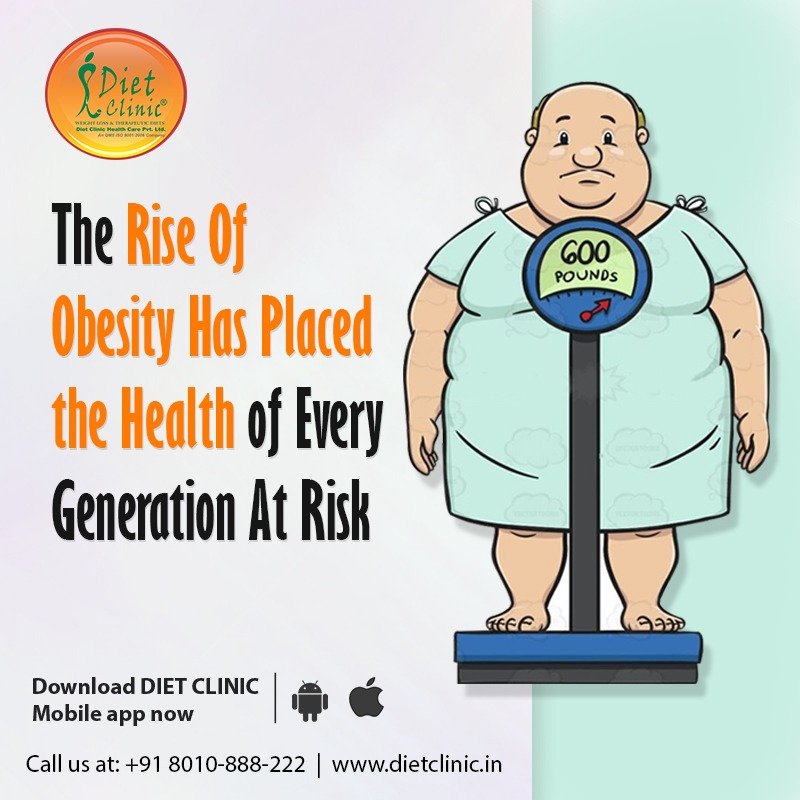
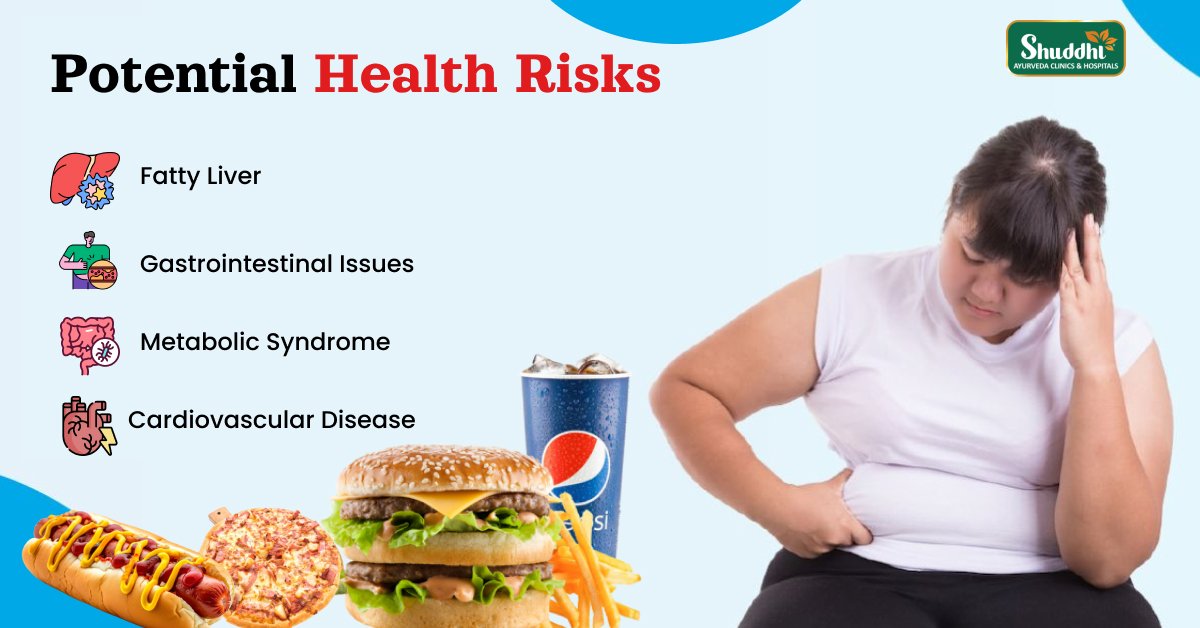
- Obesity and Overweight: The single most significant risk factor. The prevalence of NAFLD is over 70% in individuals with obesity and 40% in those who are overweight.
- Type 2 Diabetes and Prediabetes: Insulin resistance is a core driver of the disease.
- Dyslipidemia: Specifically, high triglycerides and/or low HDL (“good”) cholesterol.
- Metabolic Syndrome: Having at least three of the following: large waist circumference, high blood pressure, high fasting blood sugar, high triglycerides, low HDL cholesterol.
- Hispanic or Caucasian Ethnicity: Higher prevalence is seen in these groups.
- Older Age: Risk increases with age, though it is now alarmingly common in children and adolescents.
The “Silent” Problem: Why NAFLD Often Goes Unnoticed
NAFLD is often called a “silent” disease because in its early stages (steatosis and even early NASH), it typically presents with no symptoms whatsoever. A person can have a significantly fatty and inflamed liver and feel completely fine. This is why it is frequently discovered incidentally during routine blood tests for other reasons.
As the disease progresses to advanced fibrosis or cirrhosis, symptoms may begin to appear:
- Unexplained fatigue and weakness
- Discomfort or pain in the upper right abdomen
- Unexplained weight loss
- Jaundice (yellowing of the skin and eyes)
- Swelling in the legs (edema) and abdomen (ascites)
The absence of early symptoms is what makes NAFLD so dangerous. It allows the disease to progress unchecked for years.
How is NAFLD Diagnosed?
Diagnosis typically involves a multi-step process:
- Blood Tests (Liver Enzymes): Elevated levels of liver enzymes, specifically ALT (Alanine Aminotransferase) and AST (Aspartate Aminotransferase), can be a red flag for liver inflammation. However, it is crucial to note that liver enzymes can be normal even in the presence of advanced NASH. Relying on them alone is insufficient.
- Imaging Studies:
- Ultrasound: The most common initial imaging test. It can detect fat in the liver (it appears “bright”) but cannot reliably distinguish between simple steatosis and NASH or assess the degree of fibrosis.
- Transient Elastography (FibroScan®): A specialized, non-invasive ultrasound that measures liver stiffness, which correlates with the level of fibrosis. This is a key tool for staging the disease without a biopsy.
- MRI and CT Scans: Can also detect fat but are less commonly used as first-line tools for NAFLD.
- Liver Biopsy: The gold standard for diagnosis. A small sample of liver tissue is extracted with a needle and examined under a microscope. A biopsy can definitively diagnose NASH, determine the degree of inflammation, and accurately stage the level of fibrosis. It is an invasive procedure and is typically reserved for cases where the diagnosis is uncertain or to guide treatment decisions.
Read more: The Silent Crisis: Understanding the Link Between Stress, Poor Sleep, and Hypertension in the US
Part 4: Reversing the Trend – Prevention, Management, and Treatment
The most powerful message about NAFLD is that, in its early stages, it is largely reversible and preventable. The same lifestyle choices that contribute to the disease are the keys to its resolution.
Lifestyle Modification: The First and Best Line of Defense
There are currently no FDA-approved medications specifically for NAFLD. The cornerstone of treatment is comprehensive lifestyle intervention.
1. Dietary Changes: The Sugar Detox
The single most important dietary change is to drastically reduce or eliminate added sugars and refined carbohydrates.
- Eliminate Sugary Beverages: This is non-negotiable. Replace soda, juice, and sweetened drinks with water, sparkling water, or unsweetened tea and coffee.
- Read Labels: Be vigilant about hidden sugars in processed foods. Look for terms like sucrose, high-fructose corn syrup, cane sugar, agave, and fruit juice concentrate.
- Embrace a Whole-Foods, Plant-Forward Diet: Focus on:
- High Fiber: Vegetables, fruits (whole, not juiced), legumes, and whole grains. Fiber slows sugar absorption and promotes gut health.
- Healthy Fats: Avocados, nuts, seeds, and olive oil.
- Lean Protein: Fish (especially fatty fish rich in omega-3s like salmon), poultry, beans, and tofu.
- Consider Specific Dietary Patterns: The Mediterranean Diet has the strongest evidence base for improving liver health, reducing liver fat, and improving insulin sensitivity.
2. Physical Activity: The Metabolic Tune-Up
Exercise is a powerful medicine for the liver, independent of weight loss.
- Aerobic Exercise: Activities like brisk walking, cycling, or swimming help burn triglycerides for fuel and improve insulin sensitivity. Aim for at least 150 minutes of moderate-intensity exercise per week.
- Resistance Training: Building muscle mass through weight lifting or bodyweight exercises improves the body’s ability to manage glucose, as muscle is a major consumer of blood sugar.
3. Weight Loss: The Primary Goal
For individuals who are overweight or obese, sustained weight loss is the most effective intervention for reversing NAFLD and NASH.
- A 5-7% reduction in total body weight has been shown to significantly reduce liver fat.
- A 10% reduction can improve liver inflammation and may even reverse some degree of fibrosis.
Weight loss should be achieved gradually through the dietary and exercise changes outlined above. Rapid weight loss can sometimes worsen liver inflammation.
Medical Management and Future Therapies
While lifestyle is the foundation, medical management focuses on treating the underlying metabolic conditions and monitoring for progression.
- Managing Comorbidities: Aggressively controlling type 2 diabetes with medications like metformin or insulin-sensitizers, and managing cholesterol and blood pressure, is essential.
- Vitamin E: In non-diabetic adults with biopsy-proven NASH, certain forms of Vitamin E (alpha-tocopherol) have been shown to improve inflammation. This should only be undertaken under a doctor’s supervision, as high-dose Vitamin E has associated risks.
- Pioglitazone: An insulin-sensitizing drug used for diabetes that has shown benefit in improving liver histology in NASH patients, regardless of diabetic status. Its use is limited by potential side effects like weight gain.
- Bariatric Surgery: For eligible patients with severe obesity, bariatric surgery has been shown to lead to significant improvement or resolution of NAFLD/NASH through profound and sustained weight loss.
- Emerging Drugs: A robust pipeline of pharmaceuticals is being developed to target various pathways in NASH, including FXR agonists, PPAR agonists, and anti-fibrotic agents. These offer hope for future pharmacological treatment.
Conclusion: A Call to Action for Liver Health
Non-Alcoholic Fatty Liver Disease is no longer a niche medical condition; it is a mainstream public health emergency driven by our modern food environment. The “Soda, Sugar, and NAFLD Trio” represents a direct causal pathway from a common dietary habit to a potentially life-threatening chronic disease.
The silence of NAFLD is its greatest threat, allowing it to spread undetected through the population. But silence does not mean inevitability. We are not powerless against this trend.
The solution lies in awareness and action. It requires a societal shift away from sugary drinks and ultra-processed foods and toward a culture of whole-food nutrition and regular physical activity. On an individual level, it demands that we become advocates for our own health—asking doctors about liver health, understanding the risks, and making conscious daily choices to nourish rather than overwhelm our metabolic powerhouse.
The liver possesses an incredible capacity for healing. By removing the primary insult—excess sugar—and supporting it with a healthy lifestyle, we can not only halt the progression of NAFLD but often reverse it entirely. The power to change the course of this silent epidemic is in our hands, and it starts with what we choose to put in our glasses.
Read more: Beyond Genetics: Why Heart Disease is Still America’s Leading Killer and How to Change Your Fate
Frequently Asked Questions (FAQ)
1. I’m not overweight. Can I still get NAFLD?
Yes. While obesity is the biggest risk factor, a condition known as “lean NAFLD” or “non-obese NAFLD” affects a significant minority of patients (estimated 10-20%). These individuals often have normal BMIs but may have metabolic issues like insulin resistance, high triglycerides, or a genetic predisposition. They may also have normal weight obesity (“skinny fat”), where they have a high percentage of body fat and low muscle mass.
2. Is there a difference between “regular” sugar and high-fructose corn syrup?
From a liver health perspective, the difference is minimal. Both table sugar (sucrose) and the most common form of HFCS are roughly 50% glucose and 50% fructose. The metabolic problem lies in the high fructose load, which is similar from both sources. The issue is the quantity and concentration of these sugars in our diet, not a minor difference in their composition.
3. Are artificial sweeteners a safe alternative for my liver?
The evidence is mixed and ongoing. While switching from sugar-sweetened beverages to those with non-nutritive sweeteners (e.g., aspartame, sucralose, stevia) can help reduce calorie and sugar intake, they are not a perfect solution. Some studies suggest potential negative effects on gut microbiota and glucose metabolism with long-term, high consumption. The healthiest choice is to shift your palate away from intense sweetness altogether, primarily consuming water, sparkling water, and unsweetened teas.
4. Can NAFLD be cured?
In its early stages (steatosis and early NASH), NAFLD is considered reversible. With sustained lifestyle changes, the fat can disappear, inflammation can resolve, and even early fibrosis can improve. However, once the liver progresses to cirrhosis, the scarring is permanent and cannot be cured. The goal then becomes to manage the condition, prevent complications like liver cancer, and, in severe cases, consider a liver transplant. This underscores the critical importance of early detection and intervention.
5. What are the best foods to eat for a fatty liver?
Focus on a whole-foods, anti-inflammatory diet. Key pillars include:
- Vegetables: Especially leafy greens, broccoli, Brussels sprouts.
- Fruits: Whole fruits like berries, apples, and citrus in moderation.
- Lean Protein: Fatty fish (salmon, mackerel, sardines), skinless poultry, legumes, and tofu.
- Healthy Fats: Avocado, olive oil, nuts (walnuts, almonds), and seeds (flax, chia).
- Fiber-Rich Carbs: Oats, quinoa, and whole-grain products.
The Mediterranean Diet is an excellent template to follow.
6. How often should I be screened for NAFLD?
There are no universal screening guidelines for the general population. However, if you have key risk factors—such as obesity, type 2 diabetes, or metabolic syndrome—you should discuss liver health with your doctor. They may recommend periodic checks of liver enzymes and, if concerned, an ultrasound or FibroScan. If you have a family history of NAFLD or liver disease, it’s also important to bring this to your doctor’s attention.